



Cape Skink
Trachylepis capensis
Silhouette: David Orr · PhyloPic
- KingdomAnimalia (Animals)
- PhylumChordata (Chordates)
- ClassSquamata
- FamilyScincidae (Skinks)
- GenusTrachylepis (Afro-Malagasy Mabuyas)
- SpeciesTrachylepis capensis (Cape Skink)
About the Cape Skink
Trachylepis capensis is a species of skink, a lizard in the family Scincidae. The species is native to southern Africa. Named for the Cape of Good Hope, T. trachylepis is commonly known as the Cape skink or Cape three-lined skink, and it has recently been reassigned to the genus Trachylepis (previously it was classified in Mabuya).
T. capensis is a large (sometimes quite fat) skink, with three light stripes running down its back. Its skin is olive-brown to gray, and between the stripes and on its flanks are many small dark spots. The belly is greyish white. Occasionally the stripes on the back can be quite pale.
Its body is rather elongated and the limbs are short. T. capensis is indigenous to South Africa and can be found throughout most of the country. It also occurs in Botswana, Namibia, and Zambia; a few isolated (probably relict) populations have been found in Zimbabwe. T. capensis is still common in suburban gardens across South Africa and because of this, the Cape skink is probably the best known lizard in the country. Furthermore, in the presence of humans it gradually becomes domesticated and after some time it... Wikipedia →
Recent sightings of Cape Skink in Addo Elephant National Park
LIVEiNaturalistClosest Relatives at Addo Elephant National Park

 Variable Skink
Trachylepis varia

Variegated Skink
Trachylepis variegata

Western Rock Skink
Trachylepis sulcata

Rainbow Skink
Trachylepis margaritifera

Red-sided Skink
Trachylepis homalocephala

Linnaeus' Lance Skink
Acontias orientalis
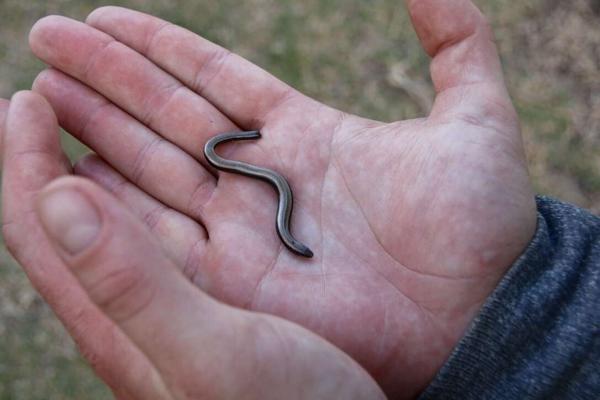
Boulenger's Burrowing Skink
Scelotes anguineus

Thin-tailed Legless Skink
Acontias gracilicauda
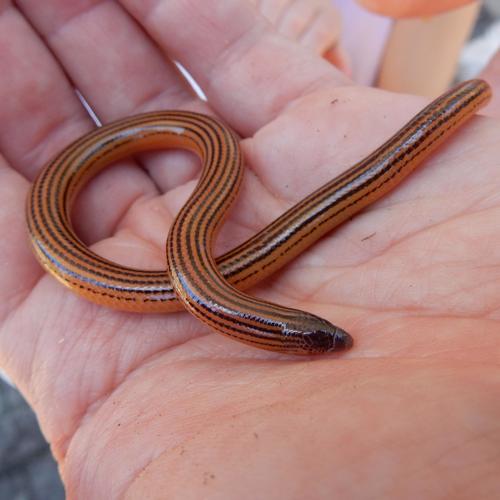
Algoa Legless Skink
Acontias lineicauda

Peters' Burrowing Skink
Scelotes caffer
Global Distribution
Warmer areas are where this animal is recorded most often.
Parks Where Found
| # | Park | Country | Daily sighting probability |
|---|---|---|---|
| 1 | Table Mountain National Park | 🇿🇦 South Africa | |
| 2 | Addo Elephant National Park | 🇿🇦 South Africa | |
| 3 | Garden Route National Park | 🇿🇦 South Africa | |
| 4 | Etosha National Park | 🇳🇦 Namibia |
Quick answers
What are the chances of seeing a Cape Skink in Addo Elephant National Park?
About 10% of wildlife watchers report a Cape Skink sighting in Addo Elephant National Park, based on 22 verified sightings from GBIF citizen-science data.
When is the best time to see Cape Skink in Addo Elephant National Park?
August has the highest sighting rate for Cape Skink in Addo Elephant National Park in our monthly data.