Badlands National Park
🇺🇸 United States
🦌 Pronghorn Sprint BadlandsBadlands National Park is a rugged expanse of steep layered rock formations and mixed-grass prairie located in southwestern South Dakota. It differs from mountain or forest parks through its dramatic eroded buttes and deep gullies, crossed by open dirt trails that wind through expansive grasslands and sparse vegetation.
43.852° N 102.355° W
Wildlife
⭐ Iconic Species
 ★
★  American Bison
Bison bison
 ★
★  Bighorn Sheep
Ovis canadensis
 ★
★  Black-tailed Prairie Dog
Cynomys ludovicianus
 ★
★  Pronghorn
Antilocapra americana
📊 Most Spotted

 Western Meadowlark
Sturnella neglecta

 Mourning Dove
Zenaida macroura

 Mule Deer
Odocoileus hemionus

 Turkey Vulture
Cathartes aura

 Rock Wren
Salpinctes obsoletus

 Cliff Swallow
Petrochelidon pyrrhonota

 Red-winged Blackbird
Agelaius phoeniceus

 Prairie Rattlesnake
Crotalus viridis

 Least Chipmunk
Tamias minimus

 Barn Swallow
Hirundo rustica

 Horned Lark
Eremophila alpestris

 Say's Phoebe
Sayornis saya
⭐ Iconic Species
★ American Bison
Bison bison
★ Bighorn Sheep
Ovis canadensis
★ Black-tailed Prairie Dog
Cynomys ludovicianus
★ Pronghorn
Antilocapra americana
📊 Most Spotted
Mule Deer
Odocoileus hemionus
Least Chipmunk
Tamias minimus

 Desert Cottontail
Sylvilagus audubonii

 Coyote
Canis latrans

 American Badger
Taxidea taxus
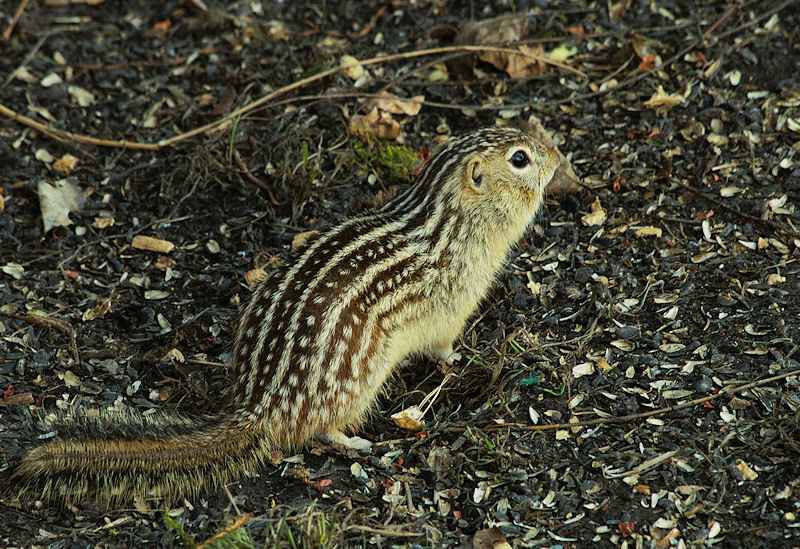
 Thirteen-lined Ground Squirrel
Ictidomys tridecemlineatus
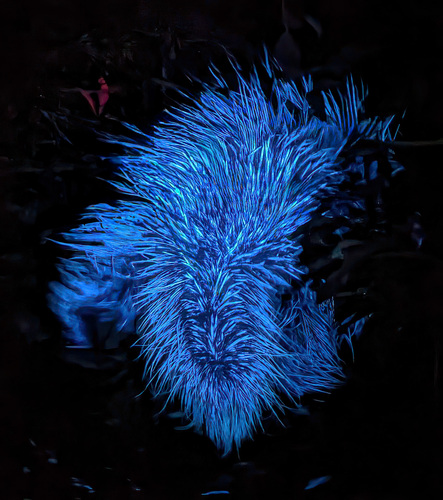
 Quiller
Erethizon dorsatus

 White-tailed Deer
Odocoileus virginianus

 Eastern Cottontail
Sylvilagus floridanus

Mountain Cottontail
Sylvilagus nuttallii

 White-tailed Jackrabbit
Lepus townsendii

 Black-footed Ferret
Mustela nigripes
📊 Most Spotted
Western Meadowlark
Sturnella neglecta
Mourning Dove
Zenaida macroura
Turkey Vulture
Cathartes aura
Rock Wren
Salpinctes obsoletus
Cliff Swallow
Petrochelidon pyrrhonota
Red-winged Blackbird
Agelaius phoeniceus
Barn Swallow
Hirundo rustica
Horned Lark
Eremophila alpestris
Say's Phoebe
Sayornis saya

 Lark Sparrow
Chondestes grammacus

 Common Grackle
Quiscalus quiscula

 Black-billed Magpie
Pica hudsonia
📊 Most Spotted
Prairie Rattlesnake
Crotalus viridis

 Gopher Snake
Pituophis catenifer

North American Racer
Coluber constrictor

Plains Garter Snake
Thamnophis radix

 Painted Turtle
Chrysemys picta

 Western Box Turtle
Terrapene ornata

 Plains Hognose Snake
Heterodon nasicus

 Snapping Turtle
Chelydra serpentina

Common Garter Snake
Thamnophis sirtalis

 Six-lined Racerunner
Aspidoscelis sexlineatus

Sagebrush Lizard
Sceloporus graciosus
📊 Most Spotted

 Woodhouse's Toad
Anaxyrus woodhousii

Great Plains Toad
Anaxyrus cognatus

 Northern Leopard Frog
Lithobates pipiens

 Boreal Chorus Frog
Pseudacris maculata

 Western Tiger Salamander
Ambystoma mavortium

 Plains Spadefoot
Spea bombifrons

 American Bullfrog
Lithobates catesbeianus
Recent sightings in Badlands National Park
LIVEiNaturalistAnimal Events
1Pronghorn Winter Herding
During the colder winter months, pronghorn gather into larger herds across the open snow-dusted prairies for increased predator vigilance and resource sharing.
2Badger Spring Foraging
Spring brings increased activity as badgers emerge to hunt for rodents across the thawing prairie sod, often utilizing abandoned burrows.
3Reptile Emergence and Basking
Warm summer conditions prompt ectotherms like rattlesnakes and racers to emerge from winter hibernacula, frequently basking along rocky outcrops and trails.
Sighting Calendar
Average chance of spotting the park's most-spotted species, month by month
- 1Pronghorn Winter Herding
- 2Badger Spring Foraging
- 3Reptile Emergence and Basking
Sighting Zones
Warmer areas are where all species together are recorded most often.
Essentials
Climate
What visitors saw
More specifically, we were on a mission to see American Bison (which I called Buffalo during the entirety of our visit… apparently there’s a difference, eye-roll).
To round out our wildlife sighting, we saw a few long-horned sheep, pronghorns, and even a badger.
Less famous than neighboring Wall Drugs, it’s a spot to get stuck in a bison traffic jam or watch a rainbow chase away storm clouds. sunset on our first night A road trip seemed the right way to visit, so my partner and I set off on a car camping adventure.
Regis yelled, “hey look, she’s photobombing your photo.” On most of our adventures, we rarely get to see older male bighorn sheep.
Quick answers
What animals can you see in Badlands National Park?
The most likely sightings are Western Meadowlark (seen by about 90% of wildlife watchers), Bighorn Sheep (seen by about 90% of wildlife watchers), Black-tailed Prairie Dog (seen by about 90% of wildlife watchers), American Bison (seen by about 90% of wildlife watchers), Mourning Dove (seen by about 80% of wildlife watchers) — among 426 recorded vertebrate species, based on citizen-science data from GBIF.
When is the best time to visit Badlands National Park for wildlife?
June has the highest combined sighting rate for the park's top species in our month-by-month GBIF data. The full sighting calendar on this page shows each species' best months.
Can you see American Bison in Badlands National Park?
Yes — about 90% of wildlife watchers report a American Bison sighting in Badlands National Park, based on 649 verified sightings from GBIF citizen-science data.
Can you see Bighorn Sheep in Badlands National Park?
Yes — about 90% of wildlife watchers report a Bighorn Sheep sighting in Badlands National Park, based on 843 verified sightings from GBIF citizen-science data.
Can you see Black-tailed Prairie Dog in Badlands National Park?
Yes — about 90% of wildlife watchers report a Black-tailed Prairie Dog sighting in Badlands National Park, based on 842 verified sightings from GBIF citizen-science data.
Can you see Pronghorn in Badlands National Park?
Yes — about 80% of wildlife watchers report a Pronghorn sighting in Badlands National Park, based on 259 verified sightings from GBIF citizen-science data.
Where Wildlife Score
How good is this park for seeing wildlife?Biodiversity
GoodHow rich is the wildlife?
Sighting
Very goodHow likely to see animals?
Experience
Very goodHow easy and pleasant is the visit?


