


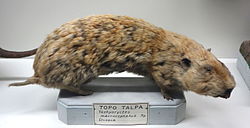

Big-headed Mole-rat
Tachyoryctes macrocephalus
Silhouette: T. Michael Keesey · PhyloPic
- KingdomAnimalia (Animals)
- PhylumChordata (Chordates)
- ClassMammalia (Mammals)
- OrderRodentia (Rodents)
- FamilySpalacidae (Spalacids)
- GenusTachyoryctes (Root Rats)
- SpeciesTachyoryctes macrocephalus (Big-headed Mole-rat)
About the Big-headed Mole-rat
The giant root-rat (Tachyoryctes macrocephalus), also known as the Ethiopian African mole rat, is a species of rodent in the genus Tachyoryctes. The species is endemic to Ethiopia's Bale Mountains, and its natural habitat is subtropical or tropical high-altitude grassland, where the population can reach densities of up to 2,600 individuals per square kilometre. The giant root-rat has thick fur and large teeth, and creates large networks of tunnels whilst foraging for food before making holes to the surface to feed on nearby vegetation. There are many species that prey on Tachyoryctes macrocephalus, especially the Ethiopian wolf, and it is threatened by habitat loss.
Tachyoryctes macrocephalus typically have small eyes and thick russet fur, as well as especially prominent incisors. The eyes are placed near the top of the forehead, and are sometimes called "periscopes" due to their ability to scan for predators. Individuals usually lack a part of the ear called a pinna, the limbs are typically short with claws, and they have short tails. Body weight can range between 160 grams to 930 grams, and the length of their body ranges from 160 millimeters to 313 millimeters... Wikipedia →
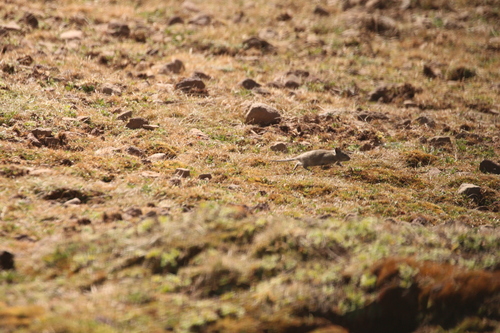
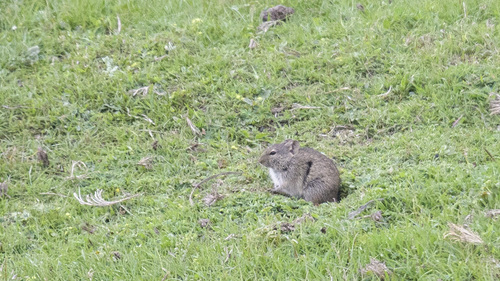
Recent sightings of Big-headed Mole-rat in Bale Mountains National Park
LIVEiNaturalistClosest Relatives at Bale Mountains National Park




Global Distribution
Warmer areas are where this animal is recorded most often.
Parks Where Found
| # | Park | Country | Daily sighting probability |
|---|---|---|---|
| 1 | Bale Mountains National Park | 🇪🇹 Ethiopia |
More parks will be added in future updates.
Quick answers
What are the chances of seeing a Big-headed Mole-rat in Bale Mountains National Park?
About 70% of wildlife watchers report a Big-headed Mole-rat sighting in Bale Mountains National Park, based on 22 verified sightings from GBIF citizen-science data.
When is the best time to see Big-headed Mole-rat in Bale Mountains National Park?
July has the highest sighting rate for Big-headed Mole-rat in Bale Mountains National Park in our monthly data.