



Madagascar Cuckoo
Cuculus rochii
Silhouette: Nicolas Huet le Jeune and Jean-Gabriel Prêtre (vectorized by T. Michael Keesey) · PhyloPic
- KingdomAnimalia (Animals)
- PhylumChordata (Chordates)
- ClassAves (Birds)
- OrderCuculiformes (Cuckoos)
- FamilyCuculidae (Cuckoos)
- GenusCuculus (Typical Old World Cuckoos)
- SpeciesCuculus rochii (Madagascar Cuckoo)
About the Madagascar Cuckoo
The Madagascar cuckoo or Madagascan cuckoo (Cuculus rochii), also known as the Madagascar lesser cuckoo, is a species of cuckoo in the family Cuculidae. Though it breeds only in Madagascar, it winters to eastern Africa (from the African Great Lakes region to Zanzibar).
The Madagascar cuckoo is a small, slim cuckoo, measuring 28 cm (11 in) in length. Wikipedia →
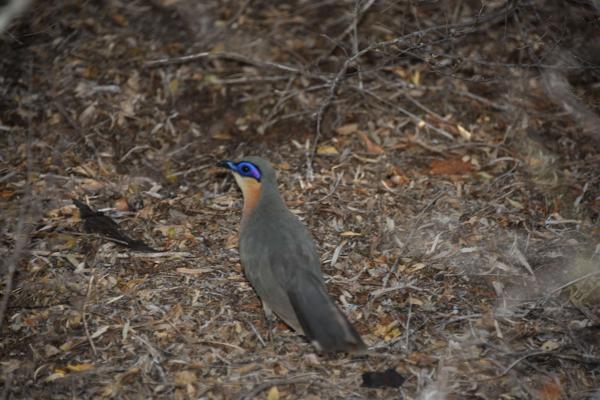
Recent sightings of Madagascar Cuckoo in Berenty Reserve
LIVEiNaturalist




Global Distribution
Warmer areas are where this animal is recorded most often.
Parks Where Found
| # | Park | Country | Daily sighting probability |
|---|---|---|---|
| 1 | Ranomafana National Park | 🇲🇬 Madagascar | |
| 2 | Ankarafantsika National Park | 🇲🇬 Madagascar | |
| 3 | Berenty Reserve | 🇲🇬 Madagascar | |
| 4 | Hluhluwe-Imfolozi Park | 🇿🇦 South Africa |
Quick answers
What are the chances of seeing a Madagascar Cuckoo in Berenty Reserve?
About 30% of wildlife watchers report a Madagascar Cuckoo sighting in Berenty Reserve, based on 54 verified sightings from GBIF citizen-science data.
When is the best time to see Madagascar Cuckoo in Berenty Reserve?
November has the highest sighting rate for Madagascar Cuckoo in Berenty Reserve in our monthly data.