

Merriam's Kangaroo Rat
Dipodomys merriami
Silhouette: PhyloPic · PhyloPic
- KingdomAnimalia (Animals)
- PhylumChordata (Chordates)
- ClassMammalia (Mammals)
- OrderRodentia (Rodents)
- FamilyHeteromyidae (Kangaroo Rats and Pocket Mice)
- GenusDipodomys (Kangaroo Rats)
- SpeciesDipodomys merriami (Merriam's Kangaroo Rat)
About the Merriam's Kangaroo Rat
Merriam's kangaroo rat (Dipodomys merriami) is a species of rodent in the family Heteromyidae. The species name commemorates Clinton Hart Merriam. It is found in the Upper and Lower Sonoran life zones of the southwestern United States, Baja California, and northern Mexico.
Merriam's kangaroo rats, like other kangaroo rats and pocket mice, are members of the family Heteromyidae. Each species within this family has fur-lined food storage pouches. The cheek pouch is utilized as a portable cache for food while foraging. Kangaroo rats are named for their extremely long, kangaroo-like hind feet and they are almost completely bipedal. They hop or jump rather than scurry or run. Because of this, most heteromyid rodents also have a relatively long tail that acts to counterbalance the hopping/jumping form of locomotion.
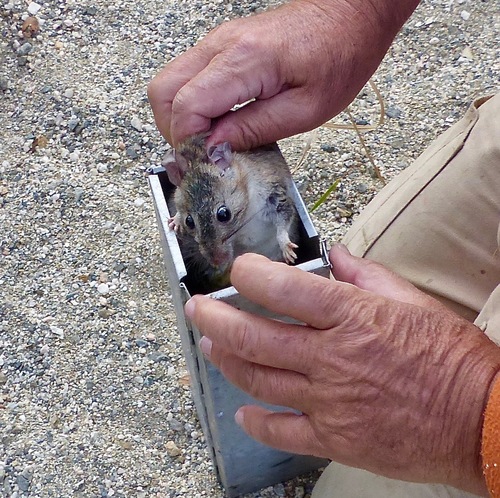
Fur color varies between populations within the species' range, but the back color is generally light brown or tan. The merriami species is smaller than most of the other kangaroo rats in the southwest. Adults average about 14 inches in length. The tail is relatively long with a large tuft of hair at the tip. The tuft is thought to act like fletching on an arrow... Wikipedia →
Recent sightings of Merriam's Kangaroo Rat in El Vizcaíno Biosphere Reserve
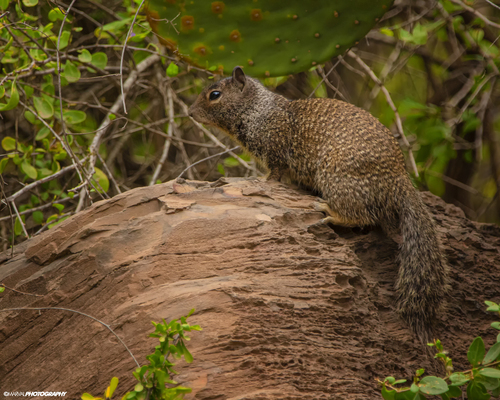
LIVEiNaturalistClosest Relatives at El Vizcaíno Biosphere Reserve



Global Distribution
Warmer areas are where this animal is recorded most often.
Parks Where Found
| # | Park | Country | Daily sighting probability |
|---|---|---|---|
| 1 | Joshua Tree National Park | 🇺🇸 United States | |
| 2 | Saguaro National Park | 🇺🇸 United States | |
| 3 | El Vizcaíno Biosphere Reserve | 🇲🇽 Mexico |