Flinders Chase
🇦🇺 Australia
🐨 Koala Encounters at Flinders ChaseFlinders Chase is a protected coastal reserve on the western end of Kangaroo Island in South Australia. The landscape consists of dense Mediterranean scrub, open eucalypt woodlands, and dramatic southern ocean cliffs. Visitors walk sandy tracks winding through coastal heath and rugged vegetation.
-35.974° S 136.730° E
Wildlife
⭐ Iconic Species
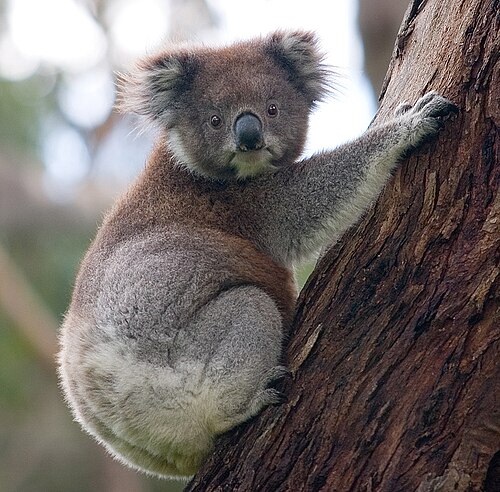 ★
★ Koala
Phascolarctos cinereus
 ★
★ Long-nosed Fur Seal
Arctocephalus forsteri
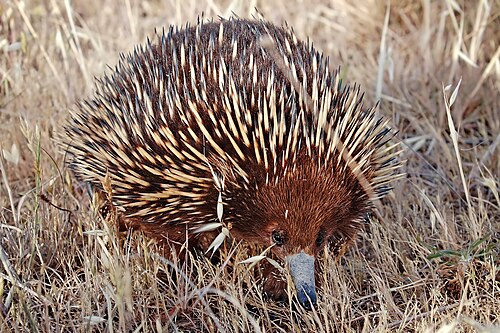 ★
★ Short-beaked Echidna
Tachyglossus aculeatus
 ★
★ Tammar Wallaby
Macropus eugenii
📊 Most Spotted

Superb Fairywren
Malurus cyaneus

Southern Heath Monitor
Varanus rosenbergi

Western Grey Kangaroo
Macropus fuliginosus

Silvereye
Zosterops lateralis

Grey Fantail
Rhipidura albiscapa

Australian Magpie
Gymnorhina tibicen

Red Wattlebird
Anthochaera carunculata

Welcome Swallow
Hirundo neoxena

New Holland Honeyeater
Phylidonyris novaehollandiae

Scarlet Robin
Petroica boodang

Pacific Gull
Larus pacificus

Crimson Rosella
Platycercus elegans
⭐ Iconic Species
★ Koala
Phascolarctos cinereus
★ Long-nosed Fur Seal
Arctocephalus forsteri
★ Short-beaked Echidna
Tachyglossus aculeatus
★ Tammar Wallaby
Macropus eugenii
📊 Most Spotted
Western Grey Kangaroo
Macropus fuliginosus

Australian Sea Lion
Neophoca cinerea

Afro-Australian Fur Seal
Arctocephalus pusillus

Common Brushtail
Trichosurus vulpecula

Duck-billed Platypus
Ornithorhynchus anatinus

Subantarctic Fur Seal
Arctocephalus tropicalis

Common Ringtail Possum
Pseudocheirus peregrinus

Southwestern Pygmy Possum
Cercartetus concinnus

Southern Brown Bandicoot
Isoodon obesulus
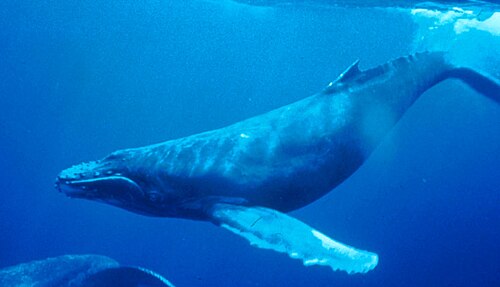
Humpback Whale
Megaptera novaeangliae

Sooty Dunnart
Sminthopsis fuliginosus
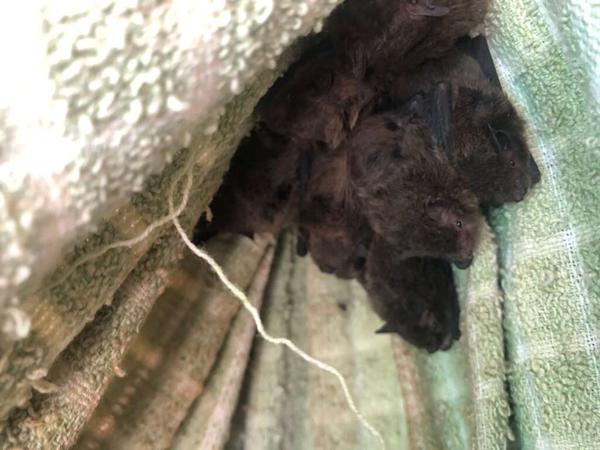
Large Forest Bat
Vespadelus darlingtoni
📊 Most Spotted
Superb Fairywren
Malurus cyaneus
Silvereye
Zosterops lateralis
Grey Fantail
Rhipidura albiscapa
Australian Magpie
Gymnorhina tibicen
Red Wattlebird
Anthochaera carunculata
Welcome Swallow
Hirundo neoxena
New Holland Honeyeater
Phylidonyris novaehollandiae
Scarlet Robin
Petroica boodang
Pacific Gull
Larus pacificus
Crimson Rosella
Platycercus elegans

Cape Barren Goose
Cereopsis novaehollandiae

Striated Pardalote
Pardalotus striatus
📊 Most Spotted
Southern Heath Monitor
Varanus rosenbergi

Eastern Tiger Snake
Notechis scutatus

Tawny Crevice-dragon
Ctenophorus decresii

Pale-flecked Garden Sunskink
Lampropholis guichenoti

Marbled Gecko
Christinus marmoratus

White's Rock-skink
Liopholis whitii

Pygmy Copperhead
Austrelaps labialis

Lowlands Earless Skink
Hemiergis peronii

Common Snake-necked Turtle
Chelodina longicollis

Shrubland Morethia Skink
Morethia obscura

Barking Gecko
Underwoodisaurus milii

Striated Worm-lizard
Aprasia striolata


Animal Events
1Fur Seal Breeding and Pup Season
New Zealand fur seals (Arctocephalus forsteri) gather in large numbers along the rocky shores to breed, with playful pups learning to swim in the rock pools.
2Koala Breeding and Activity Peak
Koalas (Phascolarctos cinereus) become noticeably more active and vocal through the eucalyptus canopy as they engage in seasonal mating rituals.
3Echidna Foraging and Mating Activity
Short-beaked echidnas (Tachyglossus aculeatus) increase their foraging range and form characteristic 'trains' as multiple males trail a single female during mating season.
Sighting Calendar
Average chance of spotting the park's most-spotted species, month by month
- 1Fur Seal Breeding and Pup Season
- 2Koala Breeding and Activity Peak
- 3Echidna Foraging and Mating Activity
Sighting Zones
Warm areas are where all species together are recorded most, so they track where people go as much as where animals are. For one species, see the map on its own page.
Where Wildlife Score
How good is this park for seeing wildlife?Biodiversity
GoodHow rich is the wildlife?
Sighting
Very goodHow likely to see animals?
Quick answers
What animals can you see in Flinders Chase?
The most likely sightings are Superb Fairywren (seen by about 80% of wildlife watchers), Southern Heath Monitor (seen by about 80% of wildlife watchers), Western Grey Kangaroo (seen by about 80% of wildlife watchers), Koala (seen by about 80% of wildlife watchers), Silvereye (seen by about 70% of wildlife watchers) — among 413 recorded vertebrate species, based on citizen-science data from GBIF.
When is the best time to visit Flinders Chase for wildlife?
November has the highest combined sighting rate for the park's top species in our month-by-month GBIF data. The full sighting calendar on this page shows each species' best months.
Can you see Koala in Flinders Chase?
Yes — about 80% of wildlife watchers report a Koala sighting in Flinders Chase, based on 101 verified sightings from GBIF citizen-science data.
Can you see Long-nosed Fur Seal in Flinders Chase?
Yes — about 60% of wildlife watchers report a Long-nosed Fur Seal sighting in Flinders Chase, based on 53 verified sightings from GBIF citizen-science data.
Can you see Short-beaked Echidna in Flinders Chase?
Yes — about 60% of wildlife watchers report a Short-beaked Echidna sighting in Flinders Chase, based on 56 verified sightings from GBIF citizen-science data.
Can you see Tammar Wallaby in Flinders Chase?
Yes — about 60% of wildlife watchers report a Tammar Wallaby sighting in Flinders Chase, based on 63 verified sightings from GBIF citizen-science data.
Explore Other Parks
 📍 519 km 🦘 Shinglebacks and Kangaroos at Halls Gap
 Grampians National Park
 📍 545 km 🦘 Watch Yellow-footed Rock-wallabies Forage
 Flinders Ranges National Park
📍 685 km 🐨 Koalas Doze in Roadside Manna Gums Great Otway National Park
 📍 912 km 🐨 Wombat Roaming Wilsons Promontory