
Arizona Toad
Anaxyrus microscaphus
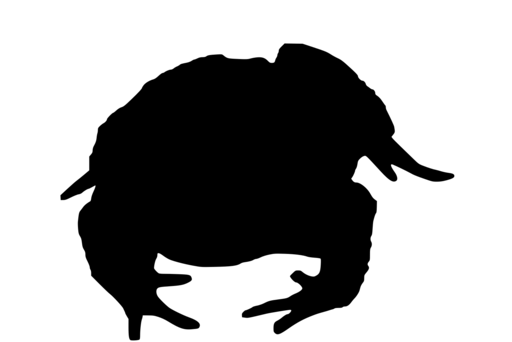
Silhouette: Michael Scroggie, from original photograph by Gary M. Stolz, USFWS (original photograph in public domain). · PhyloPic
- KingdomAnimalia (Animals)
- PhylumChordata (Chordates)
- ClassAmphibia (Amphibians)
- OrderAnura (Frogs and Toads)
- FamilyBufonidae (True Toads)
- GenusAnaxyrus (North American Toads)
- SpeciesAnaxyrus microscaphus (Arizona Toad)
About the Arizona Toad
The Arizona toad (Anaxyrus microscaphus) is a species of toad in the family Bufonidae. It is endemic to the south-western United States, where its natural habitats are temperate lowland forests, rivers and streams, swamps, freshwater marshes, freshwater springs, ponds, open excavations, irrigated land, and seasonally flooded agricultural land.
The Arizona toad was first described by the American herpetologist Edward Drinker Cope in 1867. He named it Bufo microscaphus and the type locality was Fort Mohave, Arizona. It was commonly known as the southwestern toad and for many years, three subspecies were recognized, B. m. microscaphus, B. m. californicus and B. m. mexicanus. In 1998, the American herpetologist A. W. E. Gergus raised all three to full species status on the basis of allozyme evidence, allopatry and morphology. The large genus Bufo was split by Frost et al. in 2006, with the North American species being included in the genus Anaxyrus.
The Arizona toad grows to a snout-to-vent length of 53 to 79 mm (2 to 3 in). The dorsal colour is variable but is often gray or beige with reddish-brown warts. The parotoid glands are oval and widely separated... Wikipedia →
Recent sightings of Arizona Toad in Grand Canyon National Park
LIVEiNaturalistClosest Relatives at Grand Canyon National Park


Global Distribution
Warmer areas are where this animal is recorded most often.
Parks Where Found
| # | Park | Country | Daily sighting probability |
|---|---|---|---|
| 1 | Zion National Park | 🇺🇸 United States | |
| 2 | Grand Canyon National Park | 🇺🇸 United States |