


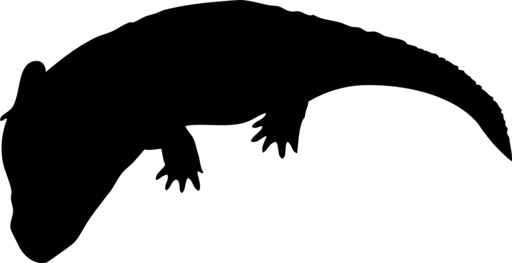
Eastern Narrow-mouthed Toad
Gastrophryne carolinensis
Silhouette: Dmitry Bogdanov (vectorized by T. Michael Keesey) · PhyloPic
- KingdomAnimalia (Animals)
- PhylumChordata (Chordates)
- ClassAmphibia (Amphibians)
- OrderAnura (Frogs and Toads)
- FamilyMicrohylidae (Narrow-mouthed Frogs)
- GenusGastrophryne (North American Narrow-mouthed Toads)
- SpeciesGastrophryne carolinensis (Eastern Narrow-mouthed Toad)
About the Eastern Narrow-mouthed Toad
Gastrophryne carolinensis, the eastern narrow-mouthed toad, is a species of microhylid frog. It is a relatively small, toad-like amphibian found in damp, shady habitats. The species is highly fossorial, and feeds primarily on ants. These North American microhylids (Family: Microhylidae) are distinguished from true toads (genus Bufo), and other anurans by their moist, smooth skin, their lack of eardrums or tympana, their distinguishable squat body shape, and the unique fold of skin superior to their eyes. It is found in the United States, from southern Maryland to the Florida Keys, west to Missouri, Arkansas and Texas. While not a true toad, it is so called because it is terrestrial.
Gastrophryne carolinensis belongs to one of the largest anuran families, the microhylids. No subspecies are currently recognized. The eastern narrowmouth toad is one of only three microhylids that currently live in the United States.
The eastern narrow-mouthed toad is relatively small, growing to a maximum length of 53 mm (2.1 in). It has an oval-shaped body and a narrow head with a pointed snout. On the back of their head, they have a fold of skin that is capable of covering... Wikipedia →
Recent sightings of Eastern Narrow-mouthed Toad in Great Smoky Mountains National Park
LIVEiNaturalistClosest Relatives at Great Smoky Mountains National Park

 American Toad
Anaxyrus americanus

 Cope's Gray Tree Frog
Dryophytes chrysoscelis
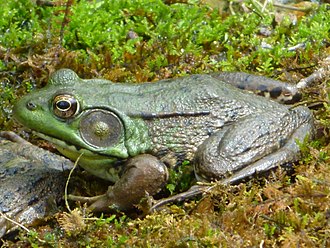
 Green Frog
Lithobates clamitans

Wood Frog
Lithobates sylvaticus

Pickerel Frog
Lithobates palustris

Fowler's Toad
Anaxyrus fowleri

 Spring Peeper
Pseudacris crucifer

 American Bullfrog
Lithobates catesbeianus

Upland Chorus Frog
Pseudacris feriarum

Green Treefrog
Dryophytes cinereus

 Eastern Spadefoot
Scaphiopus holbrookii

 Northern Cricket Frog
Acris crepitans
Global Distribution
Warmer areas are where this animal is recorded most often.
Parks Where Found
| # | Park | Country | Daily sighting probability |
|---|---|---|---|
| 1 | Big Cypress National Preserve | 🇺🇸 United States | |
| 2 | Congaree National Park | 🇺🇸 United States | |
| 3 | Everglades National Park | 🇺🇸 United States |