Maria Island National Park
🇦🇺 Australia
🐨 Wombats Roam Historic Convict RuinsMaria Island National Park is an insular wildlife sanctuary off the eastern coast of Tasmania, Australia. Composed of temperate forest, open eucalypt woodlands, and coastal scrub, the island features quiet dirt tracks winding through coastal dunes and wooded hills.
-42.624° S 148.078° E
Wildlife
⭐ Iconic Species
 ★
★ Common Wombat
Vombatus ursinus
 ★
★ Red-bellied Pademelon
Thylogale billardierii
 ★
★ Tasmanian Devil
Sarcophilus harrisii
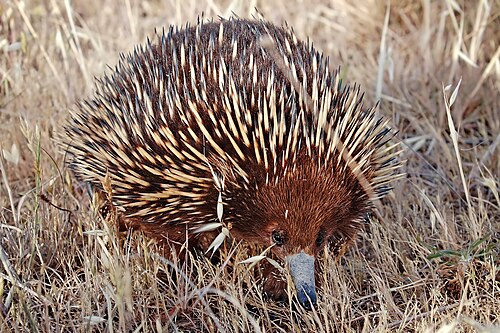 ★
★ Short-beaked Echidna
Tachyglossus aculeatus
📊 Most Spotted

Cape Barren Goose
Cereopsis novaehollandiae

Tasmanian Nativehen
Gallinula mortierii

Australian Magpie
Gymnorhina tibicen

Southern Brown Bandicoot
Isoodon obesulus

Green Rosella
Platycercus caledonicus

Pied Oystercatcher
Haematopus longirostris

Yellow Wattlebird
Anthochaera paradoxa

Grey Fantail
Rhipidura albiscapa

Eastern Grey Kangaroo
Macropus giganteus

Chestnut Teal
Anas castanea

Red-necked Wallaby
Notamacropus rufogriseus

Silver Gull
Chroicocephalus novaehollandiae
⭐ Iconic Species
★ Common Wombat
Vombatus ursinus
★ Red-bellied Pademelon
Thylogale billardierii
★ Tasmanian Devil
Sarcophilus harrisii
★ Short-beaked Echidna
Tachyglossus aculeatus
📊 Most Spotted
Southern Brown Bandicoot
Isoodon obesulus
Eastern Grey Kangaroo
Macropus giganteus
Red-necked Wallaby
Notamacropus rufogriseus

Common Brushtail
Trichosurus vulpecula

Common Dolphin
Delphinus delphis

Long-nosed Potoroo
Potorous tridactylus

Common Ringtail Possum
Pseudocheirus peregrinus
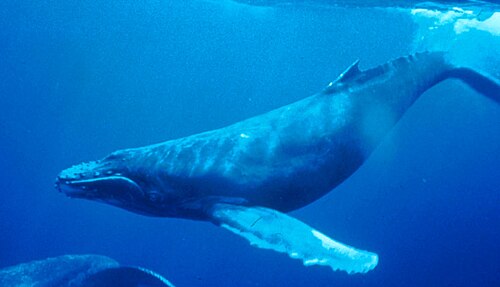
Humpback Whale
Megaptera novaeangliae

Rakali
Hydromys chrysogaster

Afro-Australian Fur Seal
Arctocephalus pusillus

Bottlenose Dolphin
Tursiops truncatus
📊 Most Spotted
Cape Barren Goose
Cereopsis novaehollandiae
Tasmanian Nativehen
Gallinula mortierii
Australian Magpie
Gymnorhina tibicen
Green Rosella
Platycercus caledonicus
Pied Oystercatcher
Haematopus longirostris
Yellow Wattlebird
Anthochaera paradoxa
Grey Fantail
Rhipidura albiscapa
Chestnut Teal
Anas castanea
Silver Gull
Chroicocephalus novaehollandiae

Flame Robin
Petroica phoenicea

Black Currawong
Strepera fuliginosa

Laughing Kookaburra
Dacelo novaeguineae
📊 Most Spotted

White's Rock-skink
Liopholis whitii

Ocellated Coolskink
Carinascincus ocellatus

Eastern Tiger Snake
Notechis scutatus

Tasmanian Tree Skink
Carinascincus pretiosus

Metallic Coolskink
Carinascincus metallicus

Entrecasteaux's Skink
Pseudemoia entrecasteauxii

Lowlands Copperhead
Austrelaps superbus

White-lipped Snake
Drysdalia coronoides

Rainbow Skink
Lampropholis delicata

Blotched Bluetongue
Tiliqua nigrolutea
📊 Most Spotted
Animal Events
Echidna Mating Trains and Marsupial Foraging
During the warm summer months, female Short-beaked Echidnas attract trailing lines of suitors during elaborate courtship processions, while Tasmanian Devils take advantage of extended daylight to forage more actively.
Kangaroo Births and Reptile Basking Emergence
Spring brings newborn Eastern Grey Kangaroos emerging from maternal pouches to graze, coinciding with White's Rock-skinks basking intensely on sun-warmed coastal boulders after winter torpor.
Whale Migration and Possum Breeding
As autumn arrives, Humpback Whales begin their northern marine migration past the island's shores, while Common Brushtail Possums become vocal and active establishing breeding territories.
Sighting Calendar
Chance of spotting each species, month by month
Sighting Zones
Warm areas are where all species together are recorded most, so they track where people go as much as where animals are. For one species, see the map on its own page.
Where Wildlife Score
How good is this park for seeing wildlife?Biodiversity
GoodHow rich is the wildlife?
Sighting
ExcellentHow likely to see animals?
Quick answers
What animals can you see in Maria Island National Park?
The most likely sightings are Common Wombat (seen by 90–100% of wildlife watchers), Cape Barren Goose (seen by 80–90% of wildlife watchers), Red-bellied Pademelon (seen by 80–90% of wildlife watchers), Tasmanian Nativehen (seen by 80–90% of wildlife watchers), Australian Magpie (seen by 80–90% of wildlife watchers) — among 367 recorded vertebrate species, based on citizen-science data from GBIF.
When is the best time to visit Maria Island National Park for wildlife?
June has the highest combined sighting rate for the park's top species in our month-by-month GBIF data. The full sighting calendar on this page shows each species' best months.
Can you see Common Wombat in Maria Island National Park?
Yes — about 97% of wildlife watchers report a Common Wombat sighting in Maria Island National Park, based on 318 days of visitor records from GBIF citizen-science data.
Can you see Red-bellied Pademelon in Maria Island National Park?
Yes — about 87% of wildlife watchers report a Red-bellied Pademelon sighting in Maria Island National Park, based on 140 days of visitor records from GBIF citizen-science data.
Can you see Tasmanian Devil in Maria Island National Park?
Yes — about 58% of wildlife watchers report a Tasmanian Devil sighting in Maria Island National Park, based on 42 days of visitor records from GBIF citizen-science data.
Can you see Short-beaked Echidna in Maria Island National Park?
Yes — about 61% of wildlife watchers report a Short-beaked Echidna sighting in Maria Island National Park, based on 47 days of visitor records from GBIF citizen-science data.
Explore Other Parks
 📍 51 km 🦘 Red-necked Wallaby on Freycinet's Cliffs
 Freycinet National Park
 📍 193 km 🐨 Wombat Wanderings at Cradle Mountain
 Cradle Mountain-Lake St Clair National Park
 📍 431 km 🐨 Wombat Roaming Wilsons Promontory
 Wilsons Promontory National Park
 📍 579 km 🐨 Koalas Doze in Roadside Manna Gums