


Indo-Pacific Bottlenose Dolphin
Tursiops aduncus
- KingdomAnimalia (Animals)
- PhylumChordata (Cordats)
- ClassMammalia (Mamífers)
- OrderCetacea
- FamilyDelphinidae (Delfínids)
- GenusTursiops (Bottlenose Dolphins)
- SpeciesTursiops aduncus (Indo-Pacific Bottlenose Dolphin)
The Indo-Pacific bottlenose dolphin (Tursiops aduncus) is a species of bottlenose dolphin. This dolphin grows to 2.6 m (8.5 ft) long, and weighs up to 230 kg (510 lb). It lives in the waters around India, northern Australia, South China, the Red Sea, and the eastern coast of Africa. Its back is dark grey and its belly is lighter grey or nearly white with grey spots. The Indo-Pacific bottlenose dolphin is generally smaller than the common bottlenose dolphin, has a proportionately longer rostrum, and has spots on its belly and lower sides. It also has more teeth than the common bottlenose dolphin — 23 to 29 teeth on each side of each jaw compared to 21 to 24 for the common bottlenose dolphin. Wikipedia →
10–20% of wildlife watchers report a Indo-Pacific Bottlenose Dolphin sighting in Ningaloo Marine Park, based on 16 days of visitor records from GBIF citizen-science data.
Closest Relatives at Ningaloo Marine Park

Bottlenose Dolphin
Tursiops truncatus

Australian Humpback Dolphin
Sousa sahulensis

Killer Whale
Orcinus orca

False Killer Whale
Pseudorca crassidens

Long-snouted Spinner Dolphin
Stenella longirostris

Risso's Dolphin
Grampus griseus
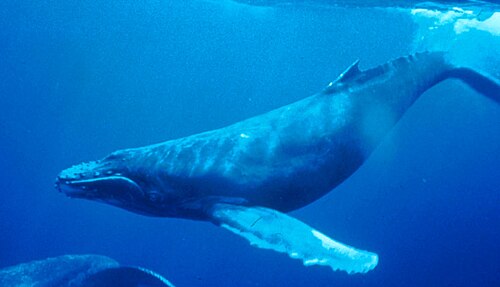
Humpback Whale
Megaptera novaeangliae

Minke Whale
Balaenoptera acutorostrata

Eden's Whale
Balaenoptera edeni

Dwarf Sperm Whale
Kogia sima
📅 Monthly Probability
☀️ When They're Spotted
Most active during daytime hours (6am–6pm) · across all parks (global)
Global Distribution
Where this species is recorded worldwide. Restricted to human observations from 2019 onwards — the same kind of record and the same period the probabilities on this page are built from, so collar-tracking studies, camera-trap arrays and museum specimens are excluded. Around Santa Rosa that removes 5,924 GPS fixes from a handful of tagged jaguars.
where this species is recorded (GBIF density — it tracks where observers go, not how likely a sighting is) · parks where it occurs — tap a pin for the sighting probability there
Parks Where Found
| # | Park | Country | Probability |
|---|---|---|---|
| 1 | Ningaloo Marine Park | 🇦🇺 Australia | |
| 2 | iSimangaliso Wetland Park | 🇿🇦 South Africa | |
| 3 | Noosa National Park | 🇦🇺 Australia | |
| 4 | Garden Route National Park | 🇿🇦 South Africa | |
| 5 | Royal National Park | 🇦🇺 Australia | |
| 6 | Table Mountain National Park | 🇿🇦 South Africa | |
| 7 | Booderee National Park | 🇦🇺 Australia | |
| 8 | Daintree National Park | 🇦🇺 Australia | |
| 9 | Tsavo East National Park | 🇰🇪 Kenya | |
| 10 | Addo Elephant National Park | 🇿🇦 South Africa |
Quick answers
What are the chances of seeing a Indo-Pacific Bottlenose Dolphin in Ningaloo Marine Park?
About 17% of wildlife watchers report a Indo-Pacific Bottlenose Dolphin sighting in Ningaloo Marine Park, based on 16 days of visitor records from GBIF citizen-science data.
When is the best time to see Indo-Pacific Bottlenose Dolphin in Ningaloo Marine Park?
November has the highest sighting rate for Indo-Pacific Bottlenose Dolphin in Ningaloo Marine Park in our monthly data.