
Western Rock Nuthatch
Sitta neumayer
- KingdomAnimalia (Animals)
- PhylumChordata (Chordates)
- ClassAves (Birds)
- OrderPasseriformes (Perching Birds)
- FamilySittidae (Nuthatches)
- GenusSitta (Nuthatches)
- SpeciesSitta neumayer (Western Rock Nuthatch)
About the Western Rock Nuthatch
The western rock nuthatch (Sitta neumayer) is a small passerine bird which breeds from Croatia east through Greece and Turkey to Iran. This nuthatch is largely resident apart from some post-breeding dispersal. The eastern rock nuthatch Sitta tephronota is a separate species, which occurs further east in south-central Asia.
The western rock nuthatch is a bird associated with habitats with bare rocks, especially in mountainous areas. Those at the highest altitudes may move lower down in winter. It feeds on insects and spiders in summer, supplemented with seeds and snails in winter. It feeds on the ground, and will wedge larger items in rock crevices while it hammers them open with its strong bill. It will also flycatch.
The western rock nuthatch is 13.5 cm long, slightly smaller than Eurasian nuthatch, and has the typical big nuthatch head, short tail and powerful bill and feet. It is long-legged and long-billed compared to most of its relatives. Wikipedia →
Closest Relatives at Plitvice Lakes National Park

Eurasian Nuthatch
Sitta europaea

Chaffinch
Fringilla coelebs

Great Tit
Parus major

Eurasian Blackbird
Turdus merula

European Robin
Erithacus rubecula

Marsh Tit
Poecile palustris

Blackcap
Sylvia atricapilla

Common Chiffchaff
Phylloscopus collybita

Song Thrush
Turdus philomelos

Grey Wagtail
Motacilla cinerea

Eurasian Jay
Garrulus glandarius
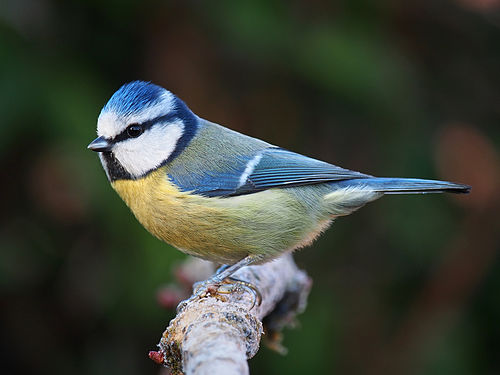
Blue Tit
Cyanistes caeruleus
Global Distribution
Where this species is recorded worldwide. Restricted to human observations from 2019 onwards — the same kind of record and the same period the probabilities on this page are built from, so collar-tracking studies, camera-trap arrays and museum specimens are excluded. Around Santa Rosa that removes 5,924 GPS fixes from a handful of tagged jaguars.
where this species is recorded (GBIF density — it tracks where observers go, not how likely a sighting is) · parks where it occurs — tap a pin for the sighting probability there
Parks Where Found
| # | Park | Country | Daily sighting probability |
|---|---|---|---|
| 1 | Plitvice Lakes National Park | 🇭🇷 Croatia |
More parks will be added in future updates.