
Giant Blue-tongued Skink
Tiliqua gigas
- KingdomAnimalia (Animals)
- PhylumChordata (Chordates)
- ClassSquamata
- FamilyScincidae (Skinks)
- GenusTiliqua (Bluetongues)
- SpeciesTiliqua gigas (Giant Blue-tongued Skink)
About the Giant Blue-tongued Skink
The Indonesian blue-tongued skink (Tiliqua gigas) is a lizard in the family Scincidae. It is a close relative of the eastern blue-tongued skink. They are endemic to the island of New Guinea and other various surrounding islands. They are found typically in the rainforest, and in captivity, require high humidity. In comparison to Tiliqua scincoides, they are fairly lean. They also have long tails (60–90% of their snout-vent length).
Tiliqua gigas has an elongated body and very small limbs, which is typical of most skinks of the genus. They typically get up to 46-61 centimetres (18-24 inches) in length and weigh up to 1 kilogram (2.2 pounds). They are known for their thinner, elongated tails, and avoiding participation in seasonal brumation as they regulate their breeding cycle on a wet and dry season.
The subspecies T. gigas gigas is the most tropical and known for having the skinniest tail. They have solid, dark, or near solid dark limbs. Tiliqua gigas evanescens are easily recognized for having slightly more colored speckling on their limbs, a single, centered stripe on the back of their neck, and not always but most often, having very thin body banding. They also... Wikipedia →
Closest Relatives at Raja Ampat

Pacific Bluetail Skink
Emoia caeruleocauda

Indonesian Brown Skink Carlia
Carlia fusca

Emerald Tree Skink
Lamprolepis smaragdina

Littoral Whiptail-skink
Emoia atrocostata

Kopstein's Emo Skink
Emoia jakati
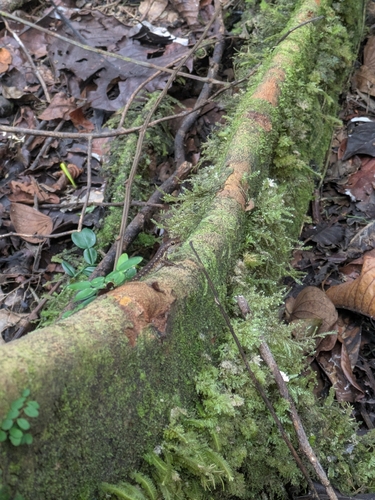
Common Forest Skink
Sphenomorphus simus

Many-lined Sun-skink
Eutropis multifasciata

New Guinea Snake-eyed Skink
Cryptoblepharus novaeguineae
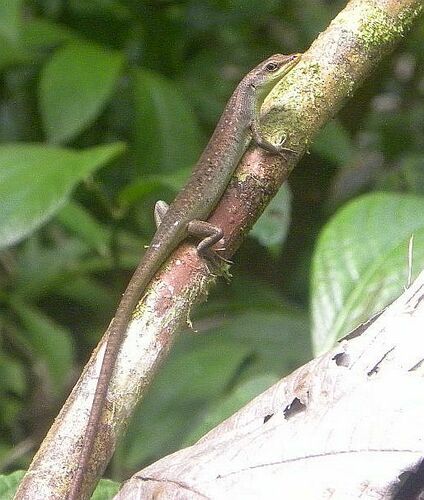
Shrub Whiptail-skink
Emoia longicauda

Müller's Forest Skink
Sphenomorphus muelleri
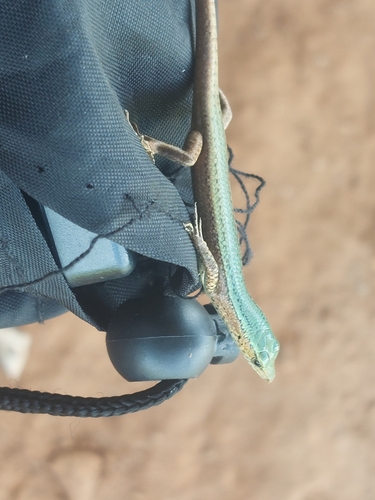
Meyer's Emo Skink
Emoia kordoana

Slender Emo Skink
Emoia physicae
Global Distribution
Where this species is recorded worldwide. Restricted to human observations from 2019 onwards — the same kind of record and the same period the probabilities on this page are built from, so collar-tracking studies, camera-trap arrays and museum specimens are excluded. Around Santa Rosa that removes 5,924 GPS fixes from a handful of tagged jaguars.
where this species is recorded (GBIF density — it tracks where observers go, not how likely a sighting is) · parks where it occurs — tap a pin for the sighting probability there
Parks Where Found
| # | Park | Country | Daily sighting probability |
|---|---|---|---|
| 1 | Raja Ampat | 🇮🇩 Indonesia |
More parks will be added in future updates.