


Brown Antechinus
Antechinus stuartii
Silhouette: Robbi Bishop-Taylor · PhyloPic
- KingdomAnimalia (Animals)
- PhylumChordata (Chordates)
- ClassMammalia (Mammals)
- OrderDasyuromorphia (Carnivorous Marsupials)
- FamilyDasyuridae (Dasyurids)
- GenusAntechinus (Antechinuses)
- SpeciesAntechinus stuartii (Brown Antechinus)
About the Brown Antechinus
The brown antechinus (Antechinus stuartii), also known as Stuart's antechinus and Macleay's marsupial mouse, is a species of small carnivorous marsupial of the family Dasyuridae. The males die after their first breeding season, and the species holds the world record for being the world's smallest semelparous mammal.
Antechinus stuartii is mostly light brown above, including the upper surfaces of its feet, and a lighter brown below and on its tail. Its body length is 93–130 mm (3.7–5.1 in) and its tail 92–120 mm (3.6–4.7 in), and it weighs 16–44 g (0.56–1.55 oz). Unlike in other members of Antechinus, no pale-coloured eye ring occurs. Antechinus agilis is similar in appearance and difficult to distinguish except by its distribution.
The brown antechinus was only the third in its genus to be described and as such, until recently, has included species such as the agile antechinus (Antechinus agilis), the subtropical antechinus (Antechinus subtropicus), and the tropical antechinus (Antechinus adustus). It has also been included itself with the yellow-footed antechinus as the subspecies A. flavipes burrelli. It was described in 1841 by the entomologist William... Wikipedia →
Recent sightings of Brown Antechinus in Royal National Park
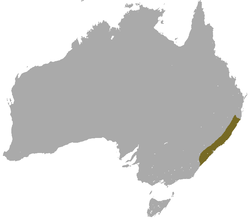
LIVEiNaturalistGlobal Distribution
Warmer areas are where this animal is recorded most often.
Parks Where Found
| # | Park | Country | Daily sighting probability |
|---|---|---|---|
| 1 | Lamington National Park | 🇦🇺 Australia | |
| 2 | Booderee National Park | 🇦🇺 Australia | |
| 3 | Royal National Park | 🇦🇺 Australia | |
| 4 | Blue Mountains National Park | 🇦🇺 Australia | |
| 5 | Springbrook National Park | 🇦🇺 Australia |
Quick answers
What are the chances of seeing a Brown Antechinus in Royal National Park?
About 10% of wildlife watchers report a Brown Antechinus sighting in Royal National Park, based on 27 verified sightings from GBIF citizen-science data.
When is the best time to see Brown Antechinus in Royal National Park?
September has the highest sighting rate for Brown Antechinus in Royal National Park in our monthly data.