

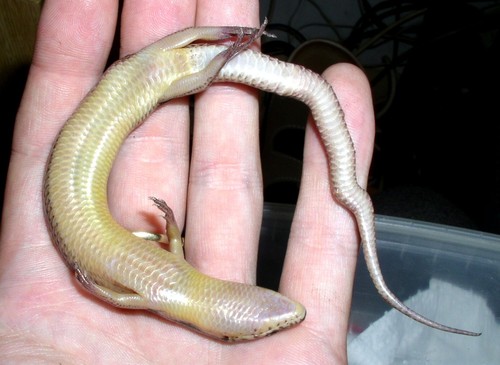
Guanacaste Skink
Marisora brachypoda
Silhouette: David Orr · PhyloPic
- KingdomAnimalia (Animals)
- PhylumChordata (Chordates)
- ClassSquamata
- FamilyScincidae (Skinks)
- GenusMarisora
- SpeciesMarisora brachypoda (Guanacaste Skink)
19 Verified sightings at Santa Rosa National Park From 2019 to 2026
38 Verified sightings across all 6 parks From 2019 to 2026
November Best month highest sighting rate
☀️ Diurnal When it's spotted during daytime hours (6am–6pm)
About the Guanacaste Skink
Marisora brachypoda is a species of skink found in Mexico and Central America. Wikipedia →
Recent sightings of Guanacaste Skink in Santa Rosa National Park
LIVEiNaturalistClosest Relatives at Santa Rosa National Park

Global Distribution
Warmer areas are where this animal is recorded most often.
Parks Where Found
| # | Park | Country | Daily sighting probability |
|---|---|---|---|
| 1 | Santa Rosa National Park | 🇨🇷 Costa Rica | |
| 2 | Cabo Blanco Absolute Nature Reserve | 🇨🇷 Costa Rica | |
| 3 | Monteverde Cloud Forest Reserve | 🇨🇷 Costa Rica | |
| 4 | Ostional Wildlife Refuge | 🇨🇷 Costa Rica | |
| 5 | Masaya Volcano National Park | 🇳🇮 Nicaragua | |
| 6 | Rincón de la Vieja National Park | 🇨🇷 Costa Rica |
Quick answers
What are the chances of seeing a Guanacaste Skink in Santa Rosa National Park?
About 20% of wildlife watchers report a Guanacaste Skink sighting in Santa Rosa National Park, based on 19 verified sightings from GBIF citizen-science data.
When is the best time to see Guanacaste Skink in Santa Rosa National Park?
November has the highest sighting rate for Guanacaste Skink in Santa Rosa National Park in our monthly data.