Sequoia and Kings Canyon National Parks
🇺🇸 United States
🐿️ Yellow-bellied Marmot in Giant SequoiasSequoia and Kings Canyon National Parks form a rugged mountain wilderness in the southern Sierra Nevada of California. This high-altitude landscape features deep river canyons, sheer granite cliffs, and dense coniferous forests of towering trees. Visitors hike along dirt trails winding through pine woods and rocky alpine slopes.
36.606° N 118.547° W
Wildlife
⭐ Iconic Species
 ★
★  American Black Bear
Ursus americanus
 ★
★  Yellow-bellied Marmot
Marmota flaviventris
 ★
★  Western Fence Lizard
Sceloporus occidentalis
 ★
★  Pacific chorus frog
Pseudacris regilla
📊 Most Spotted

 Mule Deer
Odocoileus hemionus

 Common Raven
Corvus corax

 Golden-mantled Ground Squirrel
Callospermophilus lateralis

 Dark-eyed Junco
Junco hyemalis

 Douglas' Squirrel
Tamiasciurus douglasii

 Yellow-rumped Warbler
Setophaga coronata

 American Robin
Turdus migratorius

 American Pika
Ochotona princeps

Sagebrush Lizard
Sceloporus graciosus

 Acorn Woodpecker
Melanerpes formicivorus

 Northern Flicker
Colaptes auratus

 Steller's Jay
Cyanocitta stelleri
⭐ Iconic Species
📊 Most Spotted
Mule Deer
Odocoileus hemionus
Golden-mantled Ground Squirrel
Callospermophilus lateralis
Douglas' Squirrel
Tamiasciurus douglasii
American Pika
Ochotona princeps

 California Ground Squirrel
Otospermophilus beecheyi

 Western Gray Squirrel
Sciurus griseus

 Lodgepole Chipmunk
Tamias speciosus

Elk (wapiti)
Cervus canadensis

 Belding's Ground Squirrel
Urocitellus beldingi

 Bobcat
Lynx rufus

 Coyote
Canis latrans

 Bighorn Sheep
Ovis canadensis
📊 Most Spotted
Common Raven
Corvus corax
Dark-eyed Junco
Junco hyemalis
Yellow-rumped Warbler
Setophaga coronata
American Robin
Turdus migratorius
Acorn Woodpecker
Melanerpes formicivorus
Northern Flicker
Colaptes auratus
Steller's Jay
Cyanocitta stelleri

 California Scrub-Jay
Aphelocoma californica

 Mountain Chickadee
Poecile gambeli

Oak Titmouse
Baeolophus inornatus

 Anna's Hummingbird
Calypte anna

 House Finch
Haemorhous mexicanus
⭐ Iconic Species
📊 Most Spotted
Sagebrush Lizard
Sceloporus graciosus

 Western Rattlesnake
Crotalus oreganus

 Gopher Snake
Pituophis catenifer

 Northern Alligator Lizard
Elgaria coerulea

Western Terrestrial Garter Snake
Thamnophis elegans

Western Aquatic Garter Snake
Thamnophis couchii

 California Mountain Kingsnake
Lampropeltis zonata

Southern Alligator Lizard
Elgaria multicarinata

 Northern Rubber Boa
Charina bottae

 Western Whiptail
Aspidoscelis tigris

 Common Side-blotched Lizard
Uta stansburiana

Western Pond Turtle
Actinemys marmorata
⭐ Iconic Species
📊 Most Spotted

 Western Toad
Anaxyrus boreas

 Ensatina
Ensatina eschscholtzii

 American Bullfrog
Lithobates catesbeianus

Yosemite Toad
Anaxyrus canorus

 Sierra Newt
Taricha sierrae

 Sierra Nevada Yellow-legged Frog
Rana sierrae
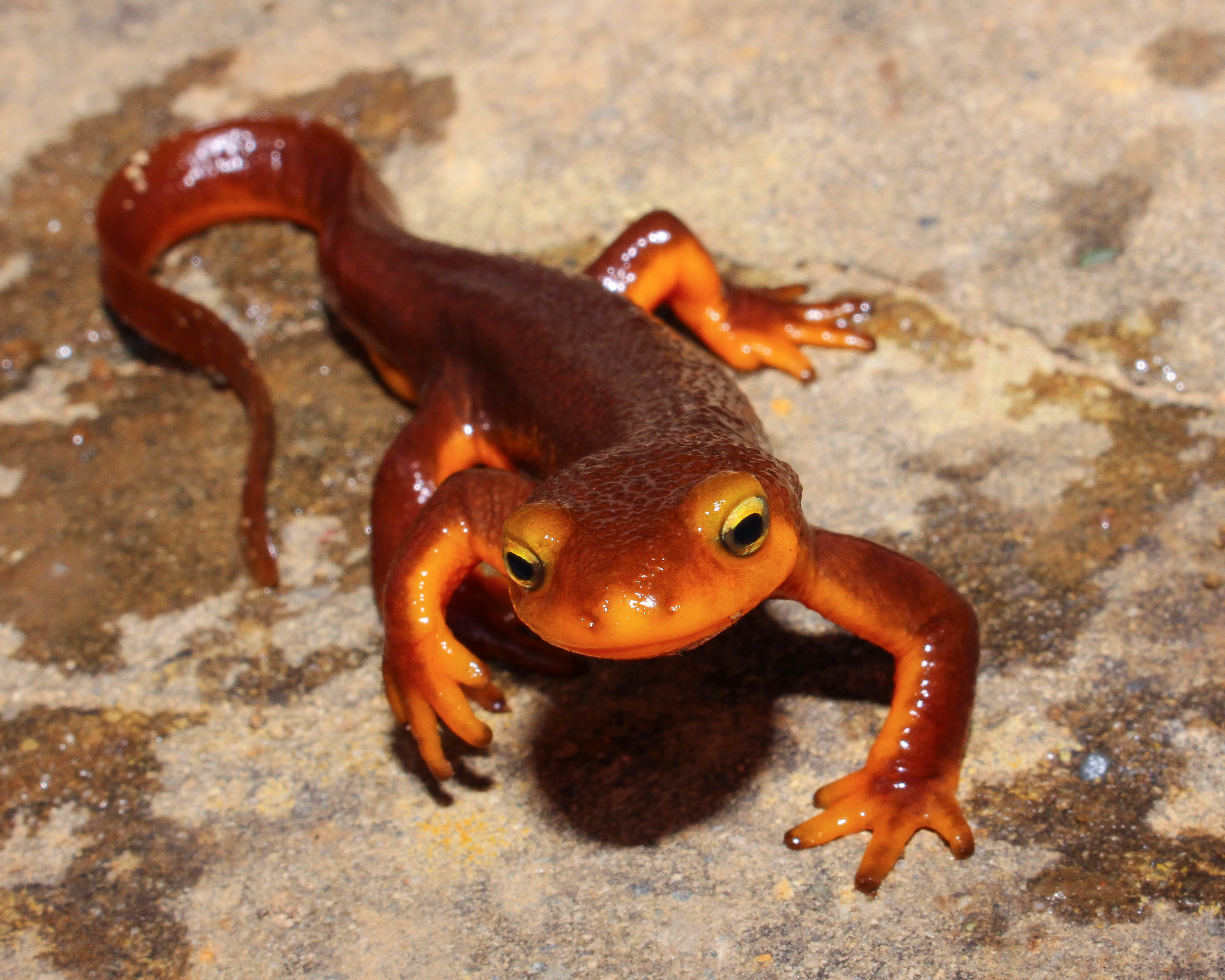
California Newt
Taricha torosa

 Great Basin Spadefoot
Spea intermontana

Gregarious Slender Salamander
Batrachoseps gregarius

Sequoia Slender Salamander
Batrachoseps kawia

Mount Lyell Salamander
Hydromantes platycephalus

 Southern Mountain Yellow-legged Frog
Rana muscosa
Recent sightings in Sequoia and Kings Canyon National Parks
LIVEiNaturalistAnimal Events
1Black Bear Foraging in Giant Sequoia Groves
American black bears raid sequoia groves for insects, acorns, and fallen seeds, often seen foraging in meadows and along trails.
2Alpine Marmot Sunbathing Season
Yellow-bellied marmots emerge from hibernation and bask on sun-warmed rocks near sequoia groves, often in family groups.
3Western Fence Lizard Territorial Displays
Male Western fence lizards perform push-up displays and territorial chases in open, sunlit areas of sequoia groves and lower elevations.
Sighting Calendar
Average chance of spotting the park's most-spotted species, month by month
- 1Black Bear Foraging in Giant Sequoia Groves
- 2Alpine Marmot Sunbathing Season
- 3Western Fence Lizard Territorial Displays
Sighting Zones
Warmer areas are where all species together are recorded most often.
Essentials
Climate
What visitors saw
We did see a couple of bears, a lot of deer and other wildlife.
We saw a deer with some babies no more than 1 month old.
The evening before, we’d watched a mama bear with three cubs doing adorable black bear things.
We were paranoid and scared of running into bears, but we didn’t see any the whole trip.
Quick answers
What animals can you see in Sequoia and Kings Canyon National Parks?
The most likely sightings are Mule Deer (seen by about 80% of wildlife watchers), Yellow-bellied Marmot (seen by about 80% of wildlife watchers), Common Raven (seen by about 70% of wildlife watchers), American Black Bear (seen by about 70% of wildlife watchers), Golden-mantled Ground Squirrel (seen by about 60% of wildlife watchers) — among 630 recorded vertebrate species, based on citizen-science data from GBIF.
When is the best time to visit Sequoia and Kings Canyon National Parks for wildlife?
September has the highest combined sighting rate for the park's top species in our month-by-month GBIF data. The full sighting calendar on this page shows each species' best months.
Can you see American Black Bear in Sequoia and Kings Canyon National Parks?
Yes — about 70% of wildlife watchers report a American Black Bear sighting in Sequoia and Kings Canyon National Parks, based on 565 verified sightings from GBIF citizen-science data.
Can you see Yellow-bellied Marmot in Sequoia and Kings Canyon National Parks?
Yes — about 80% of wildlife watchers report a Yellow-bellied Marmot sighting in Sequoia and Kings Canyon National Parks, based on 733 verified sightings from GBIF citizen-science data.
Can you see Western Fence Lizard in Sequoia and Kings Canyon National Parks?
Yes — about 60% of wildlife watchers report a Western Fence Lizard sighting in Sequoia and Kings Canyon National Parks, based on 479 verified sightings from GBIF citizen-science data.
Can you see Pacific chorus frog in Sequoia and Kings Canyon National Parks?
Yes — about 50% of wildlife watchers report a Pacific chorus frog sighting in Sequoia and Kings Canyon National Parks, based on 272 verified sightings from GBIF citizen-science data.
Where Wildlife Score
How good is this park for seeing wildlife?Biodiversity
ExcellentHow rich is the wildlife?
Sighting
GoodHow likely to see animals?
Experience
GoodHow easy and pleasant is the visit?
Explore Other Parks
 📍 117 km 🐍 Watch Sidewinders Perform Their Breeding Rituals
 Death Valley National Park
.jpg/330px-Half_Dome_with_Eastern_Yosemite_Valley_(50MP).jpg) 📍 165 km 🐻 Black Bear and Mule Deer Valley
📍 165 km 🐻 Black Bear and Mule Deer Valley Yosemite National Park
 📍 309 km 🐋 Humpback Whale Watching Channel Islands
 Channel Islands National Park
 📍 399 km 🐦 Common Raven Echoes Joshua Tree