



Waxy Monkey Treefrog
Phyllomedusa bicolor
Silhouette: Dmitry Bogdanov (vectorized by T. Michael Keesey) · PhyloPic
- KingdomAnimalia (Animals)
- PhylumChordata (Chordates)
- ClassAmphibia (Amphibians)
- OrderAnura (Frogs and Toads)
- FamilyPhyllomedusidae (Leaf Frogs)
- GenusPhyllomedusa (Monkey Frogs)
- SpeciesPhyllomedusa bicolor (Waxy Monkey Treefrog)
About the Waxy Monkey Treefrog
Phyllomedusa bicolor, the giant leaf frog, bicolor tree-frog, giant monkey frog, or waxy-monkey treefrog, is a species of leaf frog. It can be found in the Amazon basin of Brazil, Colombia (Amazonas), Bolivia, and Peru, and can also be found in the Guianan Region of Venezuela and the Guianas, and in Cerrado of the state of Maranhão in Brazil.
Males measure 91–103 mm (3.6–4.1 in) and females 111–119 mm (4.4–4.7 in) in snout–vent length. The dorsum is lime green whereas the belly is white to yellow-white or cream. Lower lips, chest and front legs bear sparse white spots with dark frames; these are more dense on the flanks and hind legs. Fingers are transparent brown and have large, green adhesive discs. There is a prominent gland extending from behind each eye over the tympanum. The iris is dark gray.
It is found throughout the Amazon rainforest in Bolivia, the Guianas, Brazil, Colombia, Venezuela, and Peru. This frog has been found in gallery forest. The giant leaf frog is a nocturnal, arboreal frog. Males call from trees in tropical humid forests. Males fight each other for mating rights by using their heads... Wikipedia →
Recent sightings of Waxy Monkey Treefrog in Tambopata National Reserve
LIVEiNaturalistClosest Relatives at Tambopata National Reserve

 Black-eyed Monkey Frog
Phyllomedusa camba

White-lined Leaf Frog
Phyllomedusa vaillantii

Tarsier Leaf Frog
Phyllomedusa tarsius

 Tiger-Striped Leaf Frog
Callimedusa tomopterna

Jaguar Leaf Frog
Pithecopus palliatus

Fringed Leaf Frog
Cruziohyla craspedopus

 Eastern Cane Toad
Rhinella marina

Amazon Sheep Frog
Hamptophryne boliviana

 Surinam Horned Frog
Ceratophrys cornuta

 Sharp-nosed Jungle Frog
Leptodactylus bolivianus

Giant Broad-headed Treefrog
Osteocephalus taurinus
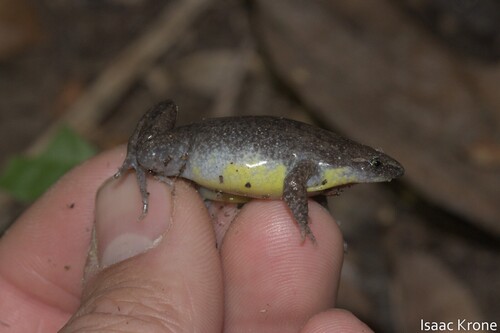
Acre's Oval Frog
Elachistocleis muiraquitan
Global Distribution
Warmer areas are where this animal is recorded most often.
Parks Where Found
| # | Park | Country | Daily sighting probability |
|---|---|---|---|
| 1 | Amacayacu National Natural Park | 🇨🇴 Colombia | |
| 2 | Manu National Park | 🇵🇪 Peru | |
| 3 | Tambopata National Reserve | 🇵🇪 Peru | |
| 4 | Brownsberg Nature Park | 🇸🇷 Suriname | |
| 5 | Madidi National Park | 🇧🇴 Bolivia |
Quick answers
What are the chances of seeing a Waxy Monkey Treefrog in Tambopata National Reserve?
About 10% of wildlife watchers report a Waxy Monkey Treefrog sighting in Tambopata National Reserve, based on 8 verified sightings from GBIF citizen-science data.
When is the best time to see Waxy Monkey Treefrog in Tambopata National Reserve?
December has the highest sighting rate for Waxy Monkey Treefrog in Tambopata National Reserve in our monthly data.