

Lesser Ghost Bat
Diclidurus scutatus
Silhouette: T. Michael Keesey · PhyloPic
- KingdomAnimalia (Animals)
- PhylumChordata (Chordates)
- ClassMammalia (Mammals)
- OrderChiroptera (Bats)
- FamilyEmballonuridae (Sheath-tailed Bats)
- GenusDiclidurus (Ghost Bats)
- SpeciesDiclidurus scutatus (Lesser Ghost Bat)
About the Lesser Ghost Bat
The lesser ghost bat (Diclidurus scutatus) is a bat species found in South America. It is one of six bat species worldwide to have white fur. It was described by Wilhelm Peters in 1869 based on a specimen sent to the Paris Museum of Natural History by Arsène Onessim Barraquin. Barraquin had collected the specimen in Paraguay in 1859. Peters placed it in the genus Diclidurus. Its specific name, scutatus, is of Latin origin, meaning "shield-shaped". Its lineage diverged from other members of its genus around 5 million years ago at the end of the Miocene.
It has long, soft fur that is white or pale brown in color. It is one of only six bat species worldwide that have white fur; others are the other three species of Diclidurus, the Honduran white bat (Ectophylla alba), and the ghost bat (Macroderma gigas). Its claws are black in color. Its forearm is 51–58.9 mm (2.01–2.32 in) long. Forearm length can be used to distinguish it from the closely related northern ghost bat, Diclidurus albus, which has a forearm length of more than 60 mm (2.4 in). It weighs 13 g (0.46 oz). Adult males have two glandular pouches on their uropatagia. These pouches... Wikipedia →
Recent sightings of Lesser Ghost Bat in Yasuní National Park
LIVEiNaturalistClosest Relatives at Yasuní National Park

 Proboscis Bat
Rhynchonycteris naso

 Greater Sac-winged Bat
Saccopteryx bilineata
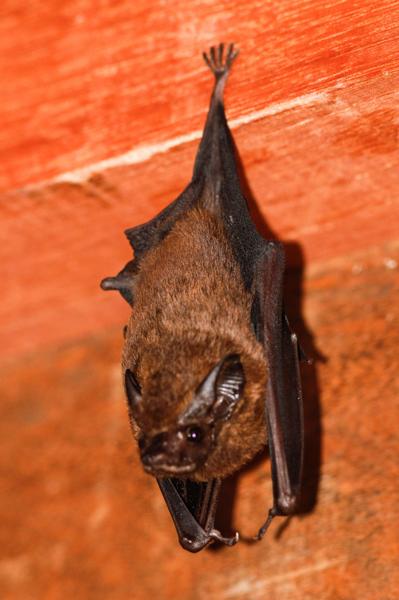
Chestnut Sac-winged Bat
Cormura brevirostris

Lesser Sac-winged Bat
Saccopteryx leptura

Greater Spear-nosed Bat
Phyllostomus hastatus

Striped Spearnosed Bat
Gardnerycteris crenulatum

Fischer's little fruit bat
Rhinophylla fischerae

chestnut short-tailed bat
Carollia castanea

 Dark Fruit-eating Bat
Artibeus obscurus
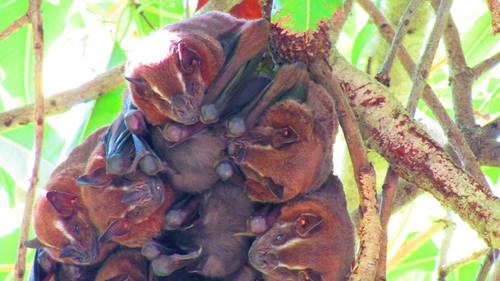
Great Fruit-eating Bat
Artibeus lituratus

Bidentate Yellow-eared Bat
Vampyriscus bidens

Northern Little Yellow-eared Bat
Vampyressa thyone
Global Distribution
Warmer areas are where this animal is recorded most often.
Parks Where Found
| # | Park | Country | Daily sighting probability |
|---|---|---|---|
| 1 | Yasuní National Park | 🇪🇨 Ecuador | |
| 2 | Cuyabeno Wildlife Reserve | 🇪🇨 Ecuador |