

Woodland Jumping Mouse
Napaeozapus insignis
Silhouette: PhyloPic · PhyloPic
- KingdomAnimalia (Animals)
- PhylumChordata (Chordates)
- ClassMammalia (Mammals)
- OrderRodentia (Rodents)
- FamilyDipodidae (Jerboas)
- GenusNapaeozapus (Woodland Jumping Mice)
- SpeciesNapaeozapus insignis (Woodland Jumping Mouse)
About the Woodland Jumping Mouse
The woodland jumping mouse (Napaeozapus insignis) is a species of jumping mouse found in North America. It can jump up to 1 m (3 ft 3 in) using its extremely strong feet and long tail. Representatives of the family Dipodidae are found in the northern regions of the Old and New Worlds, and are characterized by very large infraorbital foramen, and, in one of the two North American genera, Zapus, by four upper cheek teeth. Incisors are compressed and deeply grooved. These animals are common and noted for very long tails and long hind legs adapted for leaping. They live in forests, meadows, and swamps and are profound hibernators.
The woodland jumping mouse was originally classified as Zapus insignis in 1891, but differences detected in dental morphology, ear ossicles, and the baculum resulted in the creation of two new genera, Napaeozapus and Eozapus. N. insignis was in the family Dipodidae, in the subfamily Zapodinae, although now Zapodinae is considered its own distinct family, Zapodidae.
Five subspecies of woodland jumping mice were identified by Whitaker in 1972: N. i. insignis in New Brunswick N. i. abietorum in Ontario N. i. saquenayensis in Quebec... Wikipedia →
Recent sightings of Woodland Jumping Mouse in Cape Breton Highlands National Park
LIVEiNaturalistClosest Relatives at Cape Breton Highlands National Park

 American Red Squirrel
Tamiasciurus hudsonicus

 Eastern Chipmunk
Tamias striatus

 American Beaver
Castor canadensis

 Northern Flying Squirrel
Glaucomys sabrinus

 Meadow Vole
Microtus pennsylvanicus

 Muskrat
Ondatra zibethicus

 Deer Mouse
Peromyscus maniculatus
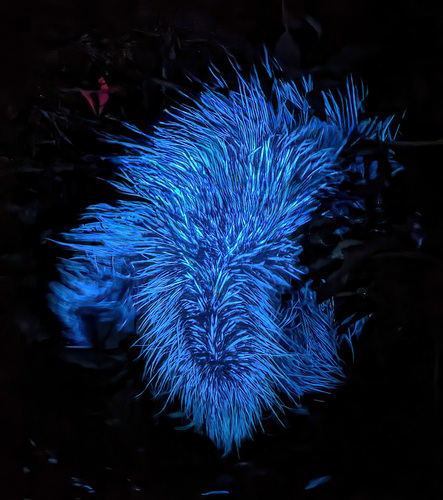
 Quiller
Erethizon dorsatus
Global Distribution
Warmer areas are where this animal is recorded most often.
Parks Where Found
| # | Park | Country | Daily sighting probability |
|---|---|---|---|
| 1 | Cape Breton Highlands National Park | 🇨🇦 Canada |
More parks will be added in future updates.