Chagres National Park
🇵🇦 Panama
🐒 Monkeys & Sloths RainforestChagres National Park protects 129,000 hectares of tropical rainforest in the watershed that feeds the Panama Canal. The park is home to Emberá indigenous communities accessible by dugout canoe, and its old-growth forests shelter harpy eagles, jaguars, and abundant primate troops.
9.378° N 79.426° W
Wildlife
⭐ Iconic Species
 ★
 Geoffroy’s Tamarin
Saguinus geoffroyi
 ★
 Mantled Howler Monkey
Alouatta palliata
 ★
 Brown-throated Sloth
Bradypus variegatus
 ★
 Keel-billed Toucan
Ramphastos sulfuratus
📊 Most Spotted

 Crimson-backed Tanager
Ramphocelus dimidiatus

 Rufous-tailed Hummingbird
Amazilia tzacatl

Blue-gray Tanager
Thraupis episcopus

Golden-hooded Tanager
Stilpnia larvata

 Clay-colored Thrush
Turdus grayi

Bay-headed Tanager
Tangara gyrola

 Turkey Vulture
Cathartes aura

Yellow-faced Grassquit
Tiaris olivaceus

Palm Tanager
Thraupis palmarum

Hepatic Tanager
Piranga flava

 Southern House Wren
Troglodytes musculus

 Snowy-bellied Hummingbird
Saucerottia edward
⭐ Iconic Species
★ Geoffroy’s Tamarin
Saguinus geoffroyi
★ Mantled Howler Monkey
Alouatta palliata
★ Brown-throated Sloth
Bradypus variegatus
📊 Most Spotted

 Red-tailed Squirrel
Sciurus granatensis

 Central American Agouti
Dasyprocta punctata

 Northern Tamandua
Tamandua mexicana

 Ocelot
Leopardus pardalis

 White-nosed Coati
Nasua narica

 Common Opossum
Didelphis marsupialis

 Tayra
Eira barbara

 Kinkajou
Potos flavus

 Spotted Paca
Cuniculus paca

 Andean Porcupine
Coendou quichua

Variegated Squirrel
Sciurus variegatoides

 Derby's Woolly Opossum
Caluromys derbianus
⭐ Iconic Species
📊 Most Spotted
Crimson-backed Tanager
Ramphocelus dimidiatus
Rufous-tailed Hummingbird
Amazilia tzacatl
Blue-gray Tanager
Thraupis episcopus
Golden-hooded Tanager
Stilpnia larvata
Clay-colored Thrush
Turdus grayi
Bay-headed Tanager
Tangara gyrola
Turkey Vulture
Cathartes aura
Yellow-faced Grassquit
Tiaris olivaceus
Palm Tanager
Thraupis palmarum
Hepatic Tanager
Piranga flava
Southern House Wren
Troglodytes musculus
Snowy-bellied Hummingbird
Saucerottia edward
📊 Most Spotted

 Common Basilisk
Basiliscus basiliscus

 American Crocodile
Crocodylus acutus

Helmeted Iguana
Corytophanes cristatus

 Puffing Snake
Phrynonax poecilonotus

 Turniptail Gecko
Thecadactylus rapicauda

 Green Iguana
Iguana iguana
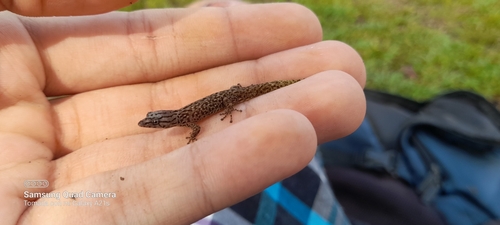
 Caribbean Least Gecko
Sphaerodactylus homolepis

 Blunthead Tree Snake
Imantodes cenchoa

 Mourning Gecko
Lepidodactylus lugubris

 Dusky Giant Ameiva
Ameiva praesignis

 Brown Anole
Anolis sagrei

 Rainforest Hog-nosed Viper
Porthidium nasutum
📊 Most Spotted

 Giant Marine Toad
Rhinella horribilis
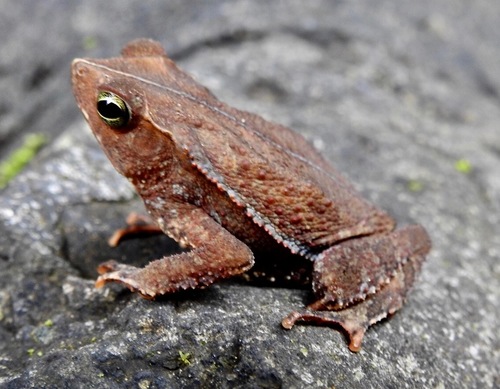
Forest Toad
Rhinella alata

 Masked Tree Frog
Smilisca phaeota

 Leaf Litter Toad
Rhaebo haematiticus

 Guayaquil Dwarf Frog
Engystomops pustulosus

Gaige's Rain Frog
Pristimantis gaigei

Pugnosed Tree Frog
Smilisca sila

 Fitzinger's Robber Frog
Craugastor fitzingeri

 Camp Sasardi Salamander
Bolitoglossa cuna

Ghost Glass Frog
Sachatamia ilex

 Green Climbing Toad
Incilius coniferus

 Green and Black Dart-poison Frog
Dendrobates auratus
Animal Events
1Raptor Migration Over the Watershed
Migrating vultures and broad-winged hawks funnel over the canal watershed in large flocks.


2Sloth & Coati Dry-Season Activity
Sloths and coatis move visibly through the drier, more open canal-watershed forest.
3Poison Dart Frog Breeding Season
Green-and-black poison dart frogs and red-eyed treefrogs breed in the wet-season leaf litter and pools.


Sighting Calendar
Average chance of spotting the park's most-spotted species, month by month
- 1Raptor Migration Over the Watershed
- 2Sloth & Coati Dry-Season Activity
- 3Poison Dart Frog Breeding Season
Sighting Zones
Warmer areas are where all species together are recorded most often.
Essentials
Climate
What visitors saw
Red-legged Honeycreeper (male) Red-legged Honeycreeper (female) Thick-billed Euphonia** (male) If this was the welcome party, I couldn’t wait to see what lay ahead.
Traveling slowly up the left side of the river we looked for birds, especially toucans, crocodiles and anything else we could see.
Along our way back through the San Lorenzo National Park & Rainforest, we saw howler and capuchin monkeys, as well as a white nosed coati.
Our first notable birds of the day were a relatively cooperative pair of Bay-headed Tanagers, which we found at our brief stop in at the main office.
Quick answers
What animals can you see in Chagres National Park?
The most likely sightings are Crimson-backed Tanager (seen by about 70% of wildlife watchers), Rufous-tailed Hummingbird (seen by about 70% of wildlife watchers), Blue-gray Tanager (seen by about 70% of wildlife watchers), Golden-hooded Tanager (seen by about 70% of wildlife watchers), Clay-colored Thrush (seen by about 70% of wildlife watchers) — among 1149 recorded vertebrate species, based on citizen-science data from GBIF.
When is the best time to visit Chagres National Park for wildlife?
September has the highest combined sighting rate for the park's top species in our month-by-month GBIF data. The full sighting calendar on this page shows each species' best months.
Can you see Geoffroy’s Tamarin in Chagres National Park?
Yes — about 40% of wildlife watchers report a Geoffroy’s Tamarin sighting in Chagres National Park, based on 28 verified sightings from GBIF citizen-science data.
Can you see Mantled Howler Monkey in Chagres National Park?
It's possible but not guaranteed: about 10% of wildlife watchers report a Mantled Howler Monkey sighting in Chagres National Park, based on 18 verified sightings from GBIF citizen-science data. Sightings take luck and time in the field.
Can you see Brown-throated Sloth in Chagres National Park?
Yes — about 40% of wildlife watchers report a Brown-throated Sloth sighting in Chagres National Park, based on 38 verified sightings from GBIF citizen-science data.
Can you see Keel-billed Toucan in Chagres National Park?
Yes — about 50% of wildlife watchers report a Keel-billed Toucan sighting in Chagres National Park, based on 831 verified sightings from GBIF citizen-science data.
Where Wildlife Score
How good is this park for seeing wildlife?Biodiversity
Very goodHow rich is the wildlife?
Sighting
Very goodHow likely to see animals?
Experience
GoodHow easy and pleasant is the visit?


