Chingaza National Natural Park
🇨🇴 Colombia
🐻 Spectacled Bear PáramoChingaza is the páramo that supplies most of Bogátá's water, rising just northeast of the capital. Its frailejón grasslands, glacial lakes and cloud forest make it the best-known spectacled-bear refuge near a major city.
4.597° N 73.758° W
Wildlife
⭐ Iconic Species
 ★
★  Andean Bear
Tremarctos ornatus
 ★
★  Scarlet-bellied Mountain-Tanager
Anisognathus igniventris
 ★
★  Green Dotted Treefrog
Dendropsophus molitor
 ★
★  Coppery-bellied Puffleg
Eriocnemis cupreoventris
📊 Most Spotted

 White-tailed Deer
Odocoileus virginianus

 Great Thrush
Turdus fuscater

 Rufous-collared Sparrow
Zonotrichia capensis

 White-throated Tyrannulet
Mecocerculus leucophrys

Masked Flowerpiercer
Diglossa cyanea

Tyrian Metaltail
Metallura tyrianthina

 Golden-fronted Redstart
Myioborus ornatus

 Pale-bellied Tapaculo
Scytalopus griseicollis

 Band-tailed Pigeon
Patagioenas fasciata

 Black Vulture
Coragyps atratus

 Southern House Wren
Troglodytes musculus

Rufous-browed Conebill
Conirostrum rufum
⭐ Iconic Species
📊 Most Spotted
White-tailed Deer
Odocoileus virginianus

 Brazilian Guinea Pig
Cavia aperea

 Brumback's Night Monkey
Aotus brumbacki

 Stump-tailed Porcupine
Echinoprocta rufescens

 Common Woolly Monkey
Lagothrix lagothricha

 Mountain Lion
Puma concolor

 Mountain Coati
Nasua olivacea

 Common Opossum
Didelphis marsupialis

Tapeti
Sylvilagus brasiliensis

 Red-tailed Squirrel
Sciurus granatensis

 Neotropical Otter
Lontra longicaudis

 Gray Four-eyed Opossum
Philander opossum
⭐ Iconic Species
★ Scarlet-bellied Mountain-Tanager
Anisognathus igniventris
★ Coppery-bellied Puffleg
Eriocnemis cupreoventris
📊 Most Spotted
Great Thrush
Turdus fuscater
Rufous-collared Sparrow
Zonotrichia capensis
White-throated Tyrannulet
Mecocerculus leucophrys
Masked Flowerpiercer
Diglossa cyanea
Tyrian Metaltail
Metallura tyrianthina
Golden-fronted Redstart
Myioborus ornatus
Pale-bellied Tapaculo
Scytalopus griseicollis
Band-tailed Pigeon
Patagioenas fasciata
Black Vulture
Coragyps atratus
Southern House Wren
Troglodytes musculus
Rufous-browed Conebill
Conirostrum rufum

 Pale-naped Brush-Finch
Atlapetes pallidinucha
📊 Most Spotted

 Striped Lightbulb Lizard
Riama striata

 Duméril's Whorltail Iguana
Stenocercus trachycephalus

 Flat Andes Anole
Anolis heterodermus

 Thickhead Ground Snake
Atractus crassicaudatus
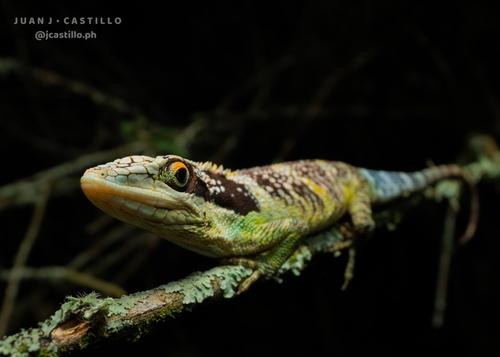
Colombian Giant Anole
Anolis inderenae

Mountain Sipo
Chironius monticola
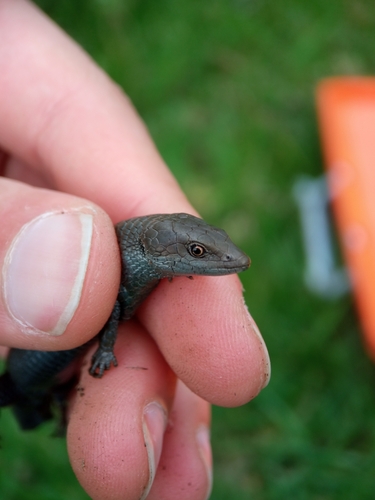
Bogotá Anadia
Anadia bogotensis

Fire-bellied Snake
Erythrolamprus epinephalus
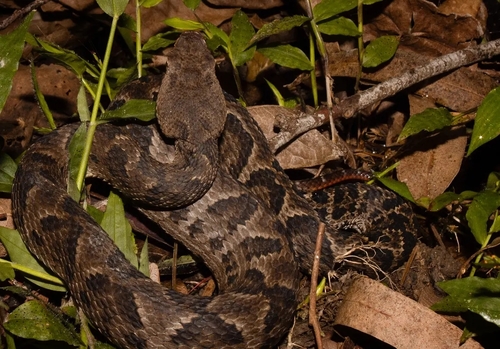
 Bothrocophias myrringae
Bothrocophias myrringae

Boddaert's Tropical Racer
Mastigodryas boddaerti

 Common Caiman
Caiman crocodilus

 Geco Leopardo De Los Llanos
Gonatodes riveroi
⭐ Iconic Species
📊 Most Spotted

 Bogota Robber Frog
Pristimantis bogotensis
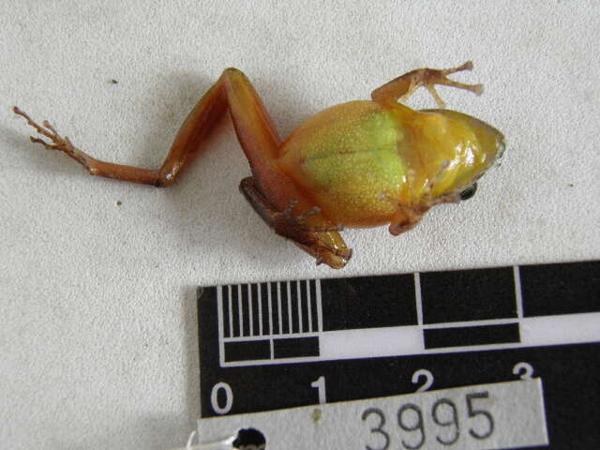
Pyburn's Robber Frog
Pristimantis savagei

 Pristimantis medemi
Pristimantis medemi

 Giant Marine Toad
Rhinella horribilis

Pristimantis nervicus
Pristimantis nervicus

 Amazon Climbing Salamander
Bolitoglossa altamazonica

 Lynch's Stubfoot Toad
Atelopus lozanoi

Elegant Robber Frog
Pristimantis elegans

Eastern Cane Toad
Rhinella marina
Recent sightings in Chingaza National Natural Park
LIVEiNaturalistAnimal Events
1Spectacled Bear Foraging
Andean spectacled bears feed on páramo plants and forest fruit, occasionally seen crossing the grasslands or climbing for bromeliads.
3Páramo Frog Rains
Rains fill the high wetlands with the calls of breeding frogs across the bogs and stream edges.
2Páramo Deer & Mountain Tanagers
White-tailed deer graze the open páramo at dawn while scarlet-bellied mountain tanagers flash through the shrub line.
Sighting Calendar
Average chance of spotting the park's most-spotted species, month by month
- 1Spectacled Bear Foraging
- 2Páramo Deer & Mountain Tanagers
- 3Páramo Frog Rains
Sighting Zones
Warmer areas are where all species together are recorded most often.
Essentials
Climate
What visitors saw
We started at a roadside spot that Fredy knew was a good place to look for the Coppery-bellied Puffleg hummingbird.
White-tailed Deer (Odocoileus virginianus goudotii) Most of our visitors have seen a white-tailed deer at some point in their lives, but not all white-tailed deer are alike.
Oh, and let's not forget our stop at Observatorio de Colibres on the way back into Bogota where we got to see the Blue-throated Starfrontlet with a host of other cool hummers like Sword-billed and Glowing Puffleg.
Highlights were a Muisca Antpitta coming into worms (it had been a race of Rufous Antpitta when seen on my previous trip), various hummingbirds at feeders, a Pale-bellied Tapaculo and a roosting Andean Potoo which came as a bit of a surprise (the only known site in Colombia, apparently).
Quick answers
What animals can you see in Chingaza National Natural Park?
The most likely sightings are White-tailed Deer (seen by about 80% of wildlife watchers), Great Thrush (seen by about 70% of wildlife watchers), Rufous-collared Sparrow (seen by about 70% of wildlife watchers), Scarlet-bellied Mountain-Tanager (seen by about 50% of wildlife watchers), Andean Bear (seen by about 50% of wildlife watchers) — among 1379 recorded vertebrate species, based on citizen-science data from GBIF.
When is the best time to visit Chingaza National Natural Park for wildlife?
February has the highest combined sighting rate for the park's top species in our month-by-month GBIF data. The full sighting calendar on this page shows each species' best months.
Can you see Andean Bear in Chingaza National Natural Park?
Yes — about 50% of wildlife watchers report a Andean Bear sighting in Chingaza National Natural Park, based on 39 verified sightings from GBIF citizen-science data.
Can you see Scarlet-bellied Mountain-Tanager in Chingaza National Natural Park?
Yes — about 50% of wildlife watchers report a Scarlet-bellied Mountain-Tanager sighting in Chingaza National Natural Park, based on 862 verified sightings from GBIF citizen-science data.
Can you see Green Dotted Treefrog in Chingaza National Natural Park?
Yes — about 30% of wildlife watchers report a Green Dotted Treefrog sighting in Chingaza National Natural Park, based on 12 verified sightings from GBIF citizen-science data.
Can you see Coppery-bellied Puffleg in Chingaza National Natural Park?
Yes — about 20% of wildlife watchers report a Coppery-bellied Puffleg sighting in Chingaza National Natural Park, based on 212 verified sightings from GBIF citizen-science data.
Where Wildlife Score
How good is this park for seeing wildlife?Biodiversity
ExcellentHow rich is the wildlife?
Sighting
GoodHow likely to see animals?
Experience
GoodHow easy and pleasant is the visit?


