Farallones de Cali National Natural Park
🇨🇴 Colombia
🐦 Multicolored Tanager Cloud ForestFarallones de Cali protects nearly 200,000 hectares of the Western Andes above Cali, spanning an exceptional gradient from Pacific foothills to 4,100 m páramo. More than 540 bird species have been recorded here, making it a cornerstone of Cali's status as one of the world's great birdwatching cities.
3.382° N 76.867° W
Wildlife
⭐ Iconic Species
 ★
★  Multicolored Tanager
Chlorochrysa nitidissima
 ★
★  Colombian Chachalaca
Ortalis columbiana
 ★
★  White-booted Racket-tail
Ocreatus underwoodii
 ★
★  Andean Cock-of-the-rock
Rupicola peruvianus
📊 Most Spotted

Golden Tanager
Tangara arthus

Flame-rumped Tanager
Ramphocelus flammigerus

 Black-billed Thrush
Turdus ignobilis

Green Honeycreeper
Chlorophanes spiza

 White-necked Jacobin
Florisuga mellivora

Blue-gray Tanager
Thraupis episcopus

Palm Tanager
Thraupis palmarum

 Bananaquit
Coereba flaveola

Red-headed Barbet
Eubucco bourcierii

 Brown Violetear
Colibri delphinae

Andean Emerald
Uranomitra franciae

Orange-bellied Euphonia
Euphonia xanthogaster
📊 Most Spotted

 Central American Agouti
Dasyprocta punctata

 Red-tailed Squirrel
Sciurus granatensis

 Kinkajou
Potos flavus

 Mantled Howler Monkey
Alouatta palliata

 Colombian Night Monkey
Aotus lemurinus

 Hoffmann's Two-toed Sloth
Choloepus hoffmanni

Black Agouti
Dasyprocta fuliginosa

 Olinguito
Bassaricyon neblina

 Stump-tailed Porcupine
Echinoprocta rufescens

 Vampire Bat
Desmodus rotundus
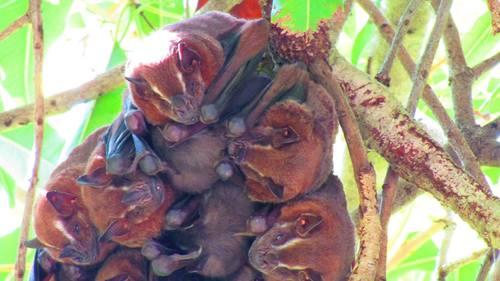
 Great Fruit-eating Bat
Artibeus lituratus

 dusky rice rat
Melanomys caliginosus
⭐ Iconic Species
★ Multicolored Tanager
Chlorochrysa nitidissima
★ Colombian Chachalaca
Ortalis columbiana
★ White-booted Racket-tail
Ocreatus underwoodii
★ Andean Cock-of-the-rock
Rupicola peruvianus
📊 Most Spotted
Golden Tanager
Tangara arthus
Flame-rumped Tanager
Ramphocelus flammigerus
Black-billed Thrush
Turdus ignobilis
Green Honeycreeper
Chlorophanes spiza
White-necked Jacobin
Florisuga mellivora
Blue-gray Tanager
Thraupis episcopus
Palm Tanager
Thraupis palmarum
Bananaquit
Coereba flaveola
Red-headed Barbet
Eubucco bourcierii
Brown Violetear
Colibri delphinae
Andean Emerald
Uranomitra franciae
Orange-bellied Euphonia
Euphonia xanthogaster
📊 Most Spotted

 Speckled Anole
Anolis ventrimaculatus

Good Anole
Anolis eulaemus

 Clark's Ground Snake
Atractus clarki
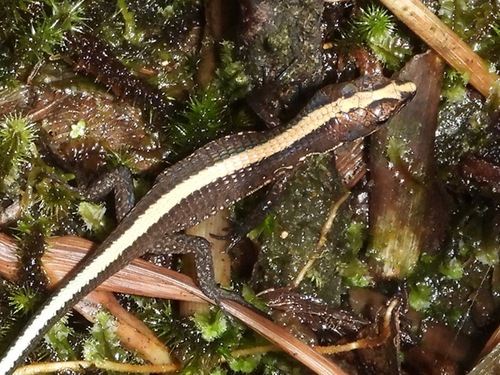
 Pholidobolus celsiae
Pholidobolus celsiae

 Forest Flame Snake
Oxyrhopus petolarius

Scalyback Anole
Anolis notopholis

Tropical Snail-eater
Dipsas sanctijoannis

 Mourning Gecko
Lepidodactylus lugubris

Anton's Anole
Anolis antonii

 Redtail Coralsnake
Micrurus mipartitus

 Highland Eyelash-Pitviper
Bothriechis schlegelii

 Lepidoblepharis duolepis
Lepidoblepharis duolepis
📊 Most Spotted

 Boettger's Colombian Tree Frog
Dendropsophus columbianus

 Giant Marine Toad
Rhinella horribilis

Palmer's Robber Frog
Pristimantis palmeri
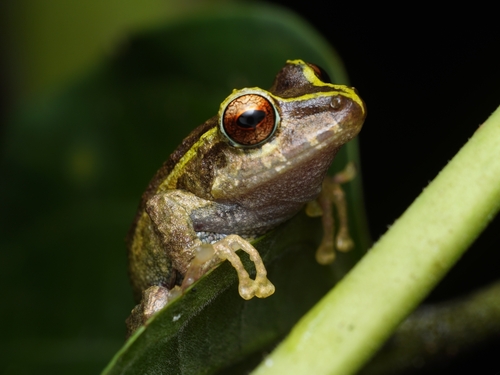
Colombian Robber Frog
Pristimantis erythropleura
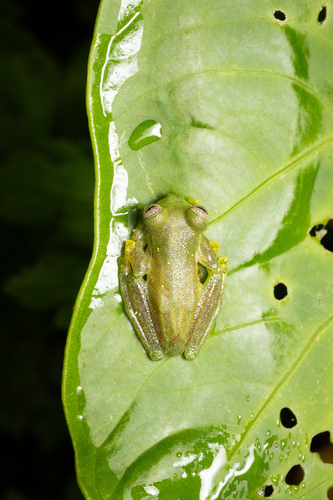
Pijaos' Glassfrog
Nymphargus pijao

Cachabi Robber Frog
Pristimantis achatinus

 Lehmann's Frog
Oophaga lehmanni
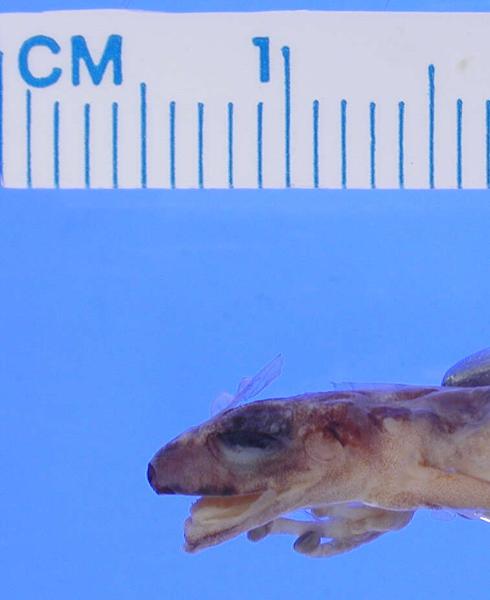
Cali Robber Frog
Pristimantis brevifrons
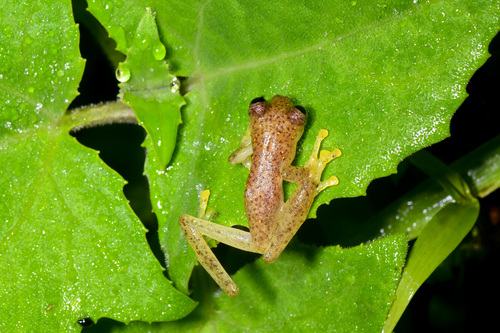
Lynch's Cochran Frog
Nymphargus ignotus
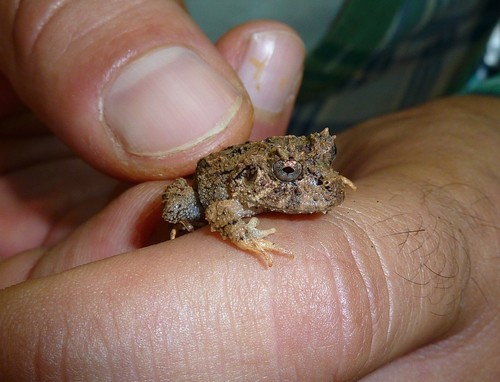
 Ruiz's Robber Frog
Strabomantis ruizi

 Leaf Litter Toad
Rhaebo haematiticus

 Gliding Leaf Frog
Agalychnis spurrelli
Recent sightings in Farallones de Cali National Natural Park
LIVEiNaturalistAnimal Events
2Andean Cock-of-the-rock Lek
Male Andean Cock-of-the-rocks gather at forest leks in the Anchicayá valley, flaring their crimson crests in bouncing courtship displays.
3Rainy-season Frog Chorus
The bimodal rains fill the Anchicayá basin with breeding frogs, and toads and rainfrogs call from streams and leaf litter after dark.


1Multicolored Tanager Feeder Flocks
Mixed cloud-forest flocks gather at the Km 18 feeder stations, led by the park's flagship endemic Multicolored Tanager alongside golden and green tanagers.
Sighting Calendar
Average chance of spotting the park's most-spotted species, month by month
- 1Multicolored Tanager Feeder Flocks
- 2Andean Cock-of-the-rock Lek
- 3Rainy-season Frog Chorus
Sighting Zones
Warmer areas are where all species together are recorded most often.
Essentials
Climate
Quick answers
What animals can you see in Farallones de Cali National Natural Park?
The most likely sightings are Golden Tanager (seen by about 80% of wildlife watchers), Flame-rumped Tanager (seen by about 80% of wildlife watchers), Black-billed Thrush (seen by about 80% of wildlife watchers), Green Honeycreeper (seen by about 70% of wildlife watchers), White-necked Jacobin (seen by about 70% of wildlife watchers) — among 1708 recorded vertebrate species, based on citizen-science data from GBIF.
When is the best time to visit Farallones de Cali National Natural Park for wildlife?
November has the highest combined sighting rate for the park's top species in our month-by-month GBIF data. The full sighting calendar on this page shows each species' best months.
Can you see Multicolored Tanager in Farallones de Cali National Natural Park?
Yes — about 30% of wildlife watchers report a Multicolored Tanager sighting in Farallones de Cali National Natural Park, based on 2,539 verified sightings from GBIF citizen-science data.
Can you see Colombian Chachalaca in Farallones de Cali National Natural Park?
Yes — about 50% of wildlife watchers report a Colombian Chachalaca sighting in Farallones de Cali National Natural Park, based on 4,410 verified sightings from GBIF citizen-science data.
Can you see White-booted Racket-tail in Farallones de Cali National Natural Park?
Yes — about 40% of wildlife watchers report a White-booted Racket-tail sighting in Farallones de Cali National Natural Park, based on 3,817 verified sightings from GBIF citizen-science data.
Can you see Andean Cock-of-the-rock in Farallones de Cali National Natural Park?
It's possible but not guaranteed: about 10% of wildlife watchers report a Andean Cock-of-the-rock sighting in Farallones de Cali National Natural Park, based on 940 verified sightings from GBIF citizen-science data. Sightings take luck and time in the field.
Where Wildlife Score
How good is this park for seeing wildlife?Biodiversity
ExcellentHow rich is the wildlife?
Sighting
GoodHow likely to see animals?
Experience
GoodHow easy and pleasant is the visit?


