

Eastern Spadefoot
Scaphiopus holbrookii
Silhouette: Jose Carlos Arenas-Monroy · PhyloPic
- KingdomAnimalia (Animals)
- PhylumChordata (Chordates)
- ClassAmphibia (Amphibians)
- OrderAnura (Frogs and Toads)
- FamilyScaphiopodidae (North American Spadefoots)
- GenusScaphiopus (Southern Spadefoots)
- SpeciesScaphiopus holbrookii (Eastern Spadefoot)
About the Eastern Spadefoot
Scaphiopus holbrookii, commonly known as the eastern spadefoot, is a species of American spadefoot toad (family Scaphiopodidae) endemic to the eastern United States. It is not considered a true toad, with Bufonidae being the family of "true toads".
The epithet, holbrookii, is in honor of John Edwards Holbrook, American herpetologist. A similar species is Hurter's spadefoot toad, which was once considered a subspecies of S. holbrookii. Unlike some other spadefoot toad species, such as Spea multiplicata (the Mexican or desert spadefoot) or Spea bombifrons (the plains spadefoot toad), Scaphiopus holbrookii never naturally develop cannibal tadpoles through phenotypic plasticity. Researchers at the University of North Carolina at Chapel Hill believe this is because the eastern spadefoot is most representative of the first spadefoot toads to evolve.
It is mostly found in the southeastern United States, except for mountainous areas, and is also found northward along the Atlantic coast into southern New England, where it is considered rare. It is found in inland states such as Pennsylvania and New York, but only as far westward as the Appalachian... Wikipedia →
Recent sightings of Eastern Spadefoot in Congaree National Park
LIVEiNaturalistClosest Relatives at Congaree National Park

 Southern Toad
Anaxyrus terrestris

 Green Treefrog
Dryophytes cinereus

 Southern Leopard Frog
Lithobates sphenocephalus

Cope's Gray Tree Frog
Dryophytes chrysoscelis

Squirrel Tree Frog
Dryophytes squirellus
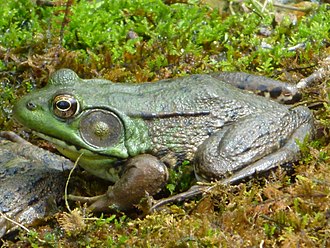
Green Frog
Lithobates clamitans

 Spring Peeper
Pseudacris crucifer

 Eastern Narrow-mouthed Toad
Gastrophryne carolinensis

Pine Wood Treefrog
Dryophytes femoralis

 American Bullfrog
Lithobates catesbeianus

Southern Cricket Frog
Acris gryllus

Barking Treefrog
Dryophytes gratiosus
Global Distribution
Warmer areas are where this animal is recorded most often.
Parks Where Found
| # | Park | Country | Daily sighting probability |
|---|---|---|---|
| 1 | Congaree National Park | 🇺🇸 United States | |
| 2 | Shenandoah National Park | 🇺🇸 United States |
Quick answers
What are the chances of seeing a Eastern Spadefoot in Congaree National Park?
About 10% of wildlife watchers report a Eastern Spadefoot sighting in Congaree National Park, based on 5 verified sightings from GBIF citizen-science data.
When is the best time to see Eastern Spadefoot in Congaree National Park?
September has the highest sighting rate for Eastern Spadefoot in Congaree National Park in our monthly data.