


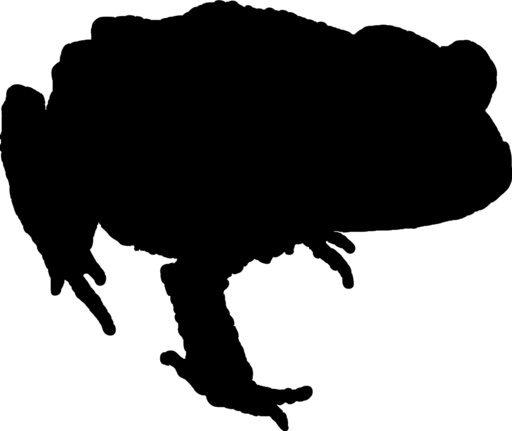
Central American Gulf Coast Toad
Incilius valliceps
Silhouette: Jose Carlos Arenas-Monroy · PhyloPic
- KingdomAnimalia (Animals)
- PhylumChordata (Chordates)
- ClassAmphibia (Amphibians)
- OrderAnura (Frogs and Toads)
- FamilyBufonidae (True Toads)
- GenusIncilius (Central American Toads)
- SpeciesIncilius valliceps (Central American Gulf Coast Toad)
About the Central American Gulf Coast Toad
The Gulf Coast toad (Incilius valliceps) is a species of toad native to eastern and southeastern Mexico and Central America as far south as Costa Rica. The Gulf Coast toad is a medium-sized toad species, ranging from 2.5 to 10.2 cm (1 to 4 in) in length. Their back varies in color from nearly black, to shades of brown and grey with a distinctive white or yellowish colored stripe down the center, and sometimes lighter colored patches on the sides. Their underside is yellow or cream colored. Their back is covered in small tubercles, while their underside is normally devoid of them.
I. valliceps has the most extensive ridging of any toad in its geographic range. The ridges extend from the nose, to the back of the head, and with a branch that wraps around the back side of the eye. The Gulf Coast toad is found in a wide range of habitats, including open grassland, semi-arid regions, light forest, and even suburban backyards. They are typically found not far from a permanent water source, which they use for breeding in the spring, but they are capable of travelling long distances while foraging for food.
Like most toads, the Gulf Coast toad is an... Wikipedia →
Recent sightings of Central American Gulf Coast Toad in Cusuco National Park
LIVEiNaturalistClosest Relatives at Cusuco National Park

 Campbell's Rainforest Toad
Incilius campbelli

 Giant Marine Toad
Rhinella horribilis
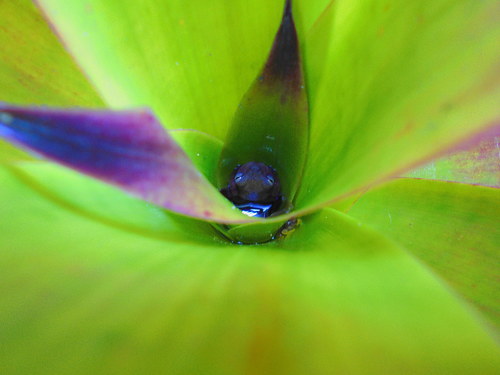
 Bromeliad tree frog
Bromeliohyla bromeliacia

Copan brook frog
Duellmanohyla soralia

Mexican Smilisca
Smilisca baudinii

 Chac's Rainfrog
Craugastor chac

 Highland Frog
Lithobates maculatus

 Honduras Spikethumb Frog
Plectrohyla dasypus

Browns' Frog
Lithobates brownorum

Copan Stream Frog
Ptychohyla hypomykter

Sierra de Omoa Spikethumb Frog
Plectrohyla exquisita

Pine Forest Bromeliad Tree Frog
Bromeliohyla melacaena
Global Distribution
Warmer areas are where this animal is recorded most often.
Parks Where Found
| # | Park | Country | Daily sighting probability |
|---|---|---|---|
| 1 | Biotopo Cerro Cahuí | 🇬🇹 Guatemala | |
| 2 | Calakmul Biosphere Reserve | 🇲🇽 Mexico | |
| 3 | Cockscomb Basin Wildlife Sanctuary | 🇧🇿 Belize | |
| 4 | Pico Bonito National Park | 🇭🇳 Honduras | |
| 5 | Tikal National Park | 🇬🇹 Guatemala | |
| 6 | Cerro Azul Meámbar National Park | 🇭🇳 Honduras | |
| 7 | Lago de Yojoa | 🇭🇳 Honduras | |
| 8 | Montes Azules Biosphere Reserve | 🇲🇽 Mexico | |
| 9 | Sian Ka'an Biosphere Reserve | 🇲🇽 Mexico | |
| 10 | Arrecifes de Cozumel National Park | 🇲🇽 Mexico | |
| 11 | Tenorio Volcano National Park | 🇨🇷 Costa Rica | |
| 12 | Cañón del Sumidero National Park | 🇲🇽 Mexico | |
| 13 | Cusuco National Park | 🇭🇳 Honduras | |
| 14 | Celaque National Park | 🇭🇳 Honduras | |
| 15 | Celestún Biosphere Reserve | 🇲🇽 Mexico | |
| 16 | Ría Lagartos Biosphere Reserve | 🇲🇽 Mexico | |
| 17 | Arenal Volcano National Park | 🇨🇷 Costa Rica |