Doi Inthanon National Park
🇹🇭 Thailand
🐦 Black-backed Sibia Flutters Doi Inthanon TrailsDoi Inthanon National Park is a protected upland tropical rainforest rising high above northern Thailand. This rugged landscape features steep forested slopes, dense mist-shrouded canopies, and cool high-altitude streams that separate its rich ecosystem from the surrounding lowlands.
18.475° N 98.569° E
Wildlife
⭐ Iconic Species
 ★
★  Doi Inthanon Rock Frog
Amolops archotaphus
 ★
★  Chiang Mai Crocodile Newt
Tylototriton uyenoi
 ★
★  Black-backed Sibia
Heterophasia melanoleuca
 ★
★  Himalayan Striped Squirrel
Tamiops mcclellandii
📊 Most Spotted

 Blue Whistling-Thrush
Myophonus caeruleus

 Green-tailed Sunbird
Aethopyga nipalensis

 Davison's Leaf-Warbler
Phylloscopus intensior

 Golden-throated Barbet
Psilopogon franklinii

 Rufous-winged Fulvetta
Alcippe castaneceps

Silver-eared Laughingthrush
Trochalopteron melanostigma

 Chestnut-tailed Minla
Minla strigula

 Yellow-cheeked Tit
Parus spilonotus

 Red-whiskered Bulbul
Pycnonotus jocosus

Mrs Gould's Sunbird
Aethopyga gouldiae

Yellow-bellied Fairy-Fantail
Chelidorhynx hypoxantha

Marbled Cascade Frog
Amolops marmoratus
⭐ Iconic Species
📊 Most Spotted

 Asian Elephant
Elephas maximus

 Northern Treeshrew
Tupaia belangeri

 Pallas's Squirrel
Callosciurus erythraeus

 Asian Red-cheeked Squirrel
Dremomys rufigenis

 Kloss's Mole
Euroscaptor klossi

 Lar Gibbon
Hylobates lar

 Yellow-bellied Weasel
Mustela kathiah

Black Giant Squirrel
Ratufa bicolor

 Greater Hog Badger
Arctonyx collaris

Hairy-footed Flying Squirrel
Belomys pearsonii

Lesser Bamboo Rat
Cannomys badius

 Southern Serow
Capricornis sumatraensis
⭐ Iconic Species
📊 Most Spotted
Blue Whistling-Thrush
Myophonus caeruleus
Green-tailed Sunbird
Aethopyga nipalensis
Davison's Leaf-Warbler
Phylloscopus intensior
Golden-throated Barbet
Psilopogon franklinii
Rufous-winged Fulvetta
Alcippe castaneceps
Silver-eared Laughingthrush
Trochalopteron melanostigma
Chestnut-tailed Minla
Minla strigula
Yellow-cheeked Tit
Parus spilonotus
Red-whiskered Bulbul
Pycnonotus jocosus
Mrs Gould's Sunbird
Aethopyga gouldiae
Yellow-bellied Fairy-Fantail
Chelidorhynx hypoxantha

 Mountain Bulbul
Ixos mcclellandii
📊 Most Spotted

 Emma Gray's Forest Lizard
Calotes emma

 Chiang Mai Dwarf Gecko
Hemiphyllodactylus chiangmaiensis

 Burmese False Bloodsucker
Pseudocalotes microlepis
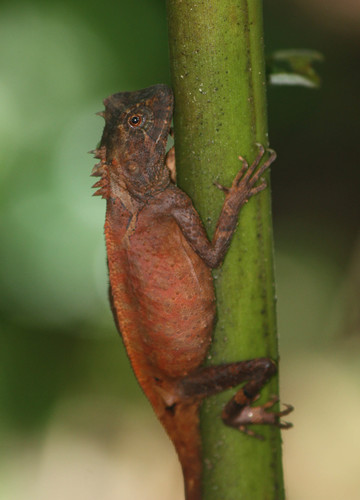
Red Lipped Horned Agamid”
Acanthosaura rubrilabris

 Flat-tailed House Gecko
Hemidactylus platyurus

 Spotted Forest Skink
Sphenomorphus maculatus

Indian Forest Skink
Sphenomorphus indicus
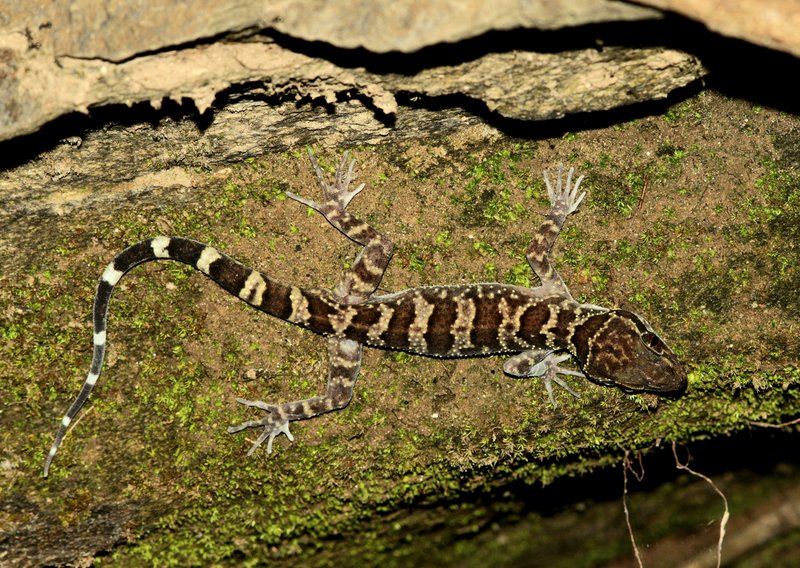
 Doi Inthanon Bent-toed Gecko
Cyrtodactylus inthanon

 Oriental Whipsnake
Ahaetulla prasina

 Asian Gliding Lizard
Draco maculatus

 Many-lined Sun-skink
Eutropis multifasciata

 Banded Keelback
Rhabdophis nigrocinctus
⭐ Iconic Species
★ Doi Inthanon Rock Frog
Amolops archotaphus
★ Chiang Mai Crocodile Newt
Tylototriton uyenoi
📊 Most Spotted
Marbled Cascade Frog
Amolops marmoratus
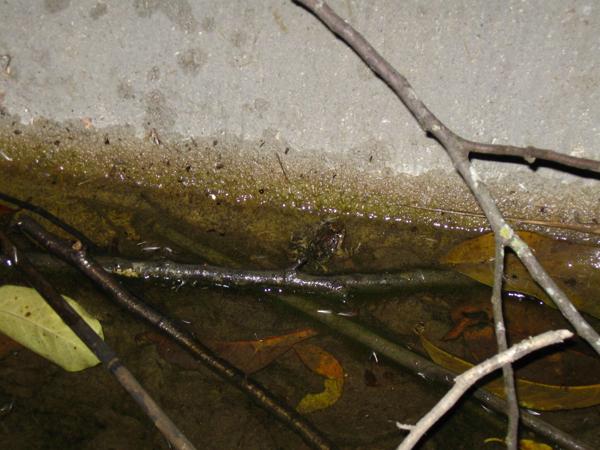
 Ban Khun Klang Wart Frog
Limnonectes taylori

 White-eyed Litter Frog
Leptobrachium huashen
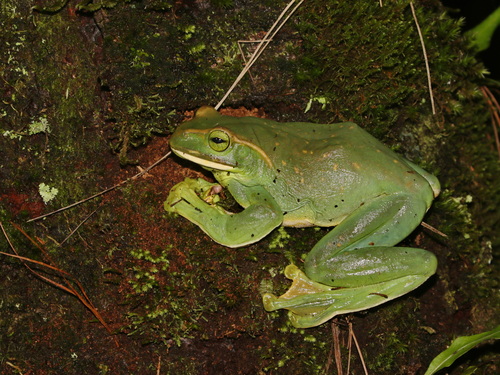
 Fea's Flying Tree Frog
Zhangixalus feae

Sapgreen stream frog
Sylvirana nigrovittata

 Karin Bubble-nest Frog
Raorchestes parvulus

 Koh Tao Caecilian
Ichthyophis kohtaoensis

 Arcuate-spotted Pygmy Frog
Microhyla heymonsi

 Common Indian Toad
Duttaphrynus melanostictus

Alpine Cricket Frog
Fejervarya limnocharis

 Inthanon Stream Toad
Ansonia inthanon

Spot-legged Tree Frog
Polypedates megacephalus
Recent sightings in Doi Inthanon National Park
LIVEiNaturalistAnimal Events
1Amphibian Breeding Season
Monsoon rains trigger synchronized breeding choruses of endemic frogs and toads, including the Doi Inthanon Rock Frog and Chiang Mai Crocodile Newt.
2Bird Migration & Mixed Flocks
Seasonal altitudinal migrations and formation of mixed-species flocks dominated by warblers, flycatchers, and babblers, peaking during spring and autumn.


3Cloud Forest Phenology
Persistent cloud cover and mist create unique microhabitats, triggering flowering of rhododendrons and fruiting of figs, attracting frugivorous birds and mammals.
Sighting Calendar
Average chance of spotting the park's most-spotted species, month by month
- 1Amphibian Breeding Season
- 2Bird Migration & Mixed Flocks
- 3Cloud Forest Phenology
Sighting Zones
Warmer areas are where all species together are recorded most often.
Essentials
Climate
What visitors saw
However, before we started we found out that a group of photographers were throwing mealworms down behind the toilets for birds, and this brought out several goodies such as Slate-coloured Flycatcher, Large Niltava and Silver-eared Laughingthrush.
While patiently waiting for a calling Black-headed Woodpecker, our minibus drivers radioed in with urgent news: they’d spotted raptors farther down the road.
Quick answers
What animals can you see in Doi Inthanon National Park?
The most likely sightings are Black-backed Sibia (seen by about 60% of wildlife watchers), Blue Whistling-Thrush (seen by about 60% of wildlife watchers), Green-tailed Sunbird (seen by about 50% of wildlife watchers), Davison's Leaf-Warbler (seen by about 50% of wildlife watchers), Golden-throated Barbet (seen by about 50% of wildlife watchers) — among 1262 recorded vertebrate species, based on citizen-science data from GBIF.
When is the best time to visit Doi Inthanon National Park for wildlife?
February has the highest combined sighting rate for the park's top species in our month-by-month GBIF data. The full sighting calendar on this page shows each species' best months.
Can you see Doi Inthanon Rock Frog in Doi Inthanon National Park?
Yes — about 30% of wildlife watchers report a Doi Inthanon Rock Frog sighting in Doi Inthanon National Park, based on 40 verified sightings from GBIF citizen-science data.
Can you see Chiang Mai Crocodile Newt in Doi Inthanon National Park?
Yes — about 40% of wildlife watchers report a Chiang Mai Crocodile Newt sighting in Doi Inthanon National Park, based on 69 verified sightings from GBIF citizen-science data.
Can you see Black-backed Sibia in Doi Inthanon National Park?
Yes — about 60% of wildlife watchers report a Black-backed Sibia sighting in Doi Inthanon National Park, based on 2,508 verified sightings from GBIF citizen-science data.
Can you see Himalayan Striped Squirrel in Doi Inthanon National Park?
Yes — about 40% of wildlife watchers report a Himalayan Striped Squirrel sighting in Doi Inthanon National Park, based on 47 verified sightings from GBIF citizen-science data.
Where Wildlife Score
How good is this park for seeing wildlife?Biodiversity
ExcellentHow rich is the wildlife?
Sighting
GoodHow likely to see animals?
Experience
GoodHow easy and pleasant is the visit?


