


Chaco Tree Frog
Boana raniceps
Silhouette: Andy Wilson · PhyloPic
- KingdomAnimalia (Animals)
- PhylumChordata (Chordates)
- ClassAmphibia (Amphibians)
- OrderAnura (Frogs and Toads)
- FamilyHylidae (Hylid Tree Frogs)
- GenusBoana (Gladiator Tree Frogs)
- SpeciesBoana raniceps (Chaco Tree Frog)
About the Chaco Tree Frog
The Chaco tree frog (Boana raniceps) is a frog species in the family Hylidae found in Argentina, Bolivia, Brazil, Colombia, French Guiana, Paraguay, and Venezuela. Its natural habitats are subtropical or tropical dry forests, subtropical or tropical moist lowland forests, subtropical or tropical dry lowland grassland, rivers, swamps, freshwater lakes, intermittent freshwater lakes, freshwater marshes, intermittent freshwater marshes, urban areas, and heavily degraded former forests.
These organisms are considered general predators, meaning that they feed on a wide range of prey. They catch their prey using a sit-and-wait foraging technique. They tend to hunt high above the ground in the trees. Wikipedia →
Recent sightings of Chaco Tree Frog in El Impenetrable National Park
LIVEiNaturalistClosest Relatives at El Impenetrable National Park

 Mato Grosso Snouted Tree Frog
Scinax acuminatus

Lesser Snouted Tree Frog
Scinax nasicus

 Vizcacheras' White-lipped Frog
Leptodactylus bufonius

 Cururu Toad
Rhinella diptycha

Miranda's White-lipped Frog
Leptodactylus macrosternum

 Sapito De Haro
Elachistocleis haroi

Muller's Termite Frog
Dermatonotus muelleri
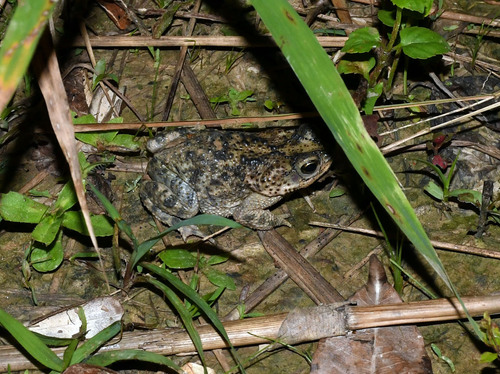
Chaco Granulated Toad
Rhinella major
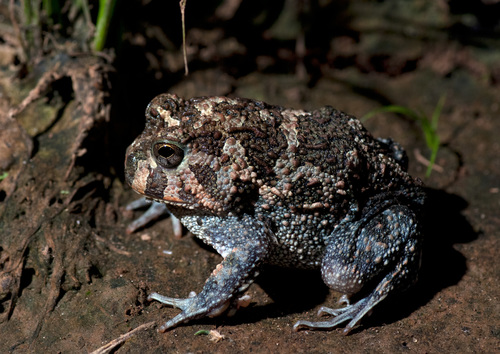
Cei's Escuerzo
Odontophrynus lavillai

 Budgett's Frog
Lepidobatrachus laevis

 Chacoan Horned Frog
Ceratophrys cranwelli

Santa Fe White-lipped Frog
Leptodactylus laticeps
Global Distribution
Warmer areas are where this animal is recorded most often.
Parks Where Found
| # | Park | Country | Daily sighting probability |
|---|---|---|---|
| 1 | El Impenetrable National Park | 🇦🇷 Argentina | |
| 2 | Parque Estadual Encontro das Águas | 🇧🇷 Brazil | |
| 3 | Iberá National Park | 🇦🇷 Argentina | |
| 4 | Emas National Park | 🇧🇷 Brazil | |
| 5 | Iguaçu National Park | 🇧🇷 Brazil |
Quick answers
What are the chances of seeing a Chaco Tree Frog in El Impenetrable National Park?
About 30% of wildlife watchers report a Chaco Tree Frog sighting in El Impenetrable National Park, based on 5 verified sightings from GBIF citizen-science data.
When is the best time to see Chaco Tree Frog in El Impenetrable National Park?
March has the highest sighting rate for Chaco Tree Frog in El Impenetrable National Park in our monthly data.