


Johnstone's Whistling Frog
Eleutherodactylus johnstonei
Silhouette: Jose Carlos Arenas-Monroy · PhyloPic
- KingdomAnimalia (Animals)
- PhylumChordata (Chordates)
- ClassAmphibia (Amphibians)
- OrderAnura (Frogs and Toads)
- FamilyEleutherodactylidae (Rain Frogs)
- GenusEleutherodactylus (Rain Frogs)
- SpeciesEleutherodactylus johnstonei (Johnstone's Whistling Frog)
About the Johnstone's Whistling Frog
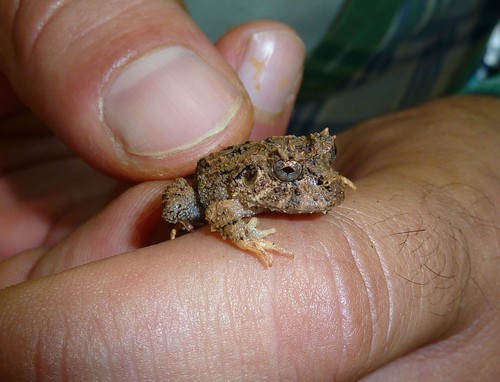
The Antilles coquí (Eleutherodactylus johnstonei), also known by the common names Johnstone's whistling frog, Montserrat whistling frog, Barbados whistling frog and Lesser Antillean whistling frog, is a species of frog in the family Eleutherodactylidae. It is native to the Lesser Antilles, but has spread across the world and is considered an invasive species.
Thomas Barbour first described the species in 1914, and gave it the specific name johnstonei after Robert S. Johnstone, Chief Justice of Grenada and the Grenadines, for his support of naturalists. The species similarity to Eleutherodactylus martinicensis, and the taxonomic history of Eleutherodactylus as a whole, has according to Hinrich Kaiser and Jerry D. Hardy Jr. been a source of confusion in determining which old publications are describing Eleutherodactylus johnstonei and which are describing a different species.
The snout-to-vent length of the species is around 35 mm (1.4 in) for females 25 mm (0.98 in) for males, but variation is high, especially so between different populations of the frog. Individuals have colourations ranging from brown to a greyish-tan, usually with colourful patterns... Wikipedia →
Recent sightings of Johnstone's Whistling Frog in Farallones de Cali National Natural Park
LIVEiNaturalistClosest Relatives at Farallones de Cali National Natural Park

 Boettger's Colombian Tree Frog
Dendropsophus columbianus

 Giant Marine Toad
Rhinella horribilis

Palmer's Robber Frog
Pristimantis palmeri
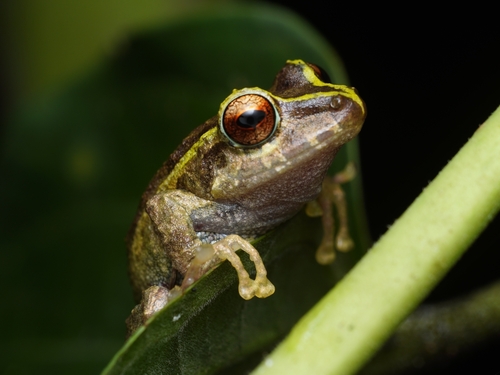
Colombian Robber Frog
Pristimantis erythropleura
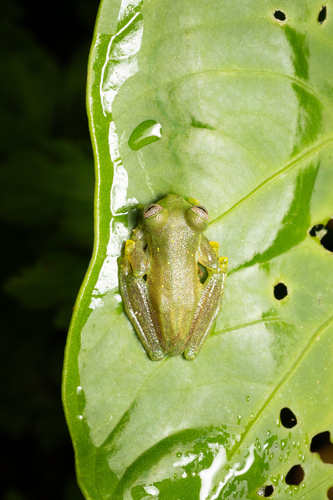
Pijaos' Glassfrog
Nymphargus pijao

Cachabi Robber Frog
Pristimantis achatinus

 Lehmann's Frog
Oophaga lehmanni
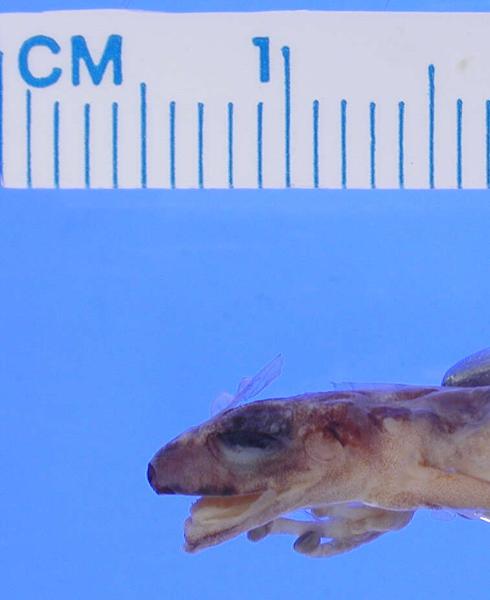
Cali Robber Frog
Pristimantis brevifrons
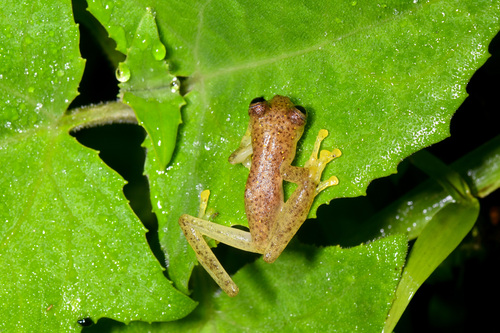
Lynch's Cochran Frog
Nymphargus ignotus
 Ruiz's Robber Frog
Strabomantis ruizi

 Leaf Litter Toad
Rhaebo haematiticus

 Gliding Leaf Frog
Agalychnis spurrelli
Global Distribution
Warmer areas are where this animal is recorded most often.
Parks Where Found
| # | Park | Country | Daily sighting probability |
|---|---|---|---|
| 1 | Farallones de Cali National Natural Park | 🇨🇴 Colombia | |
| 2 | Henri Pittier National Park | 🇻🇪 Venezuela |