
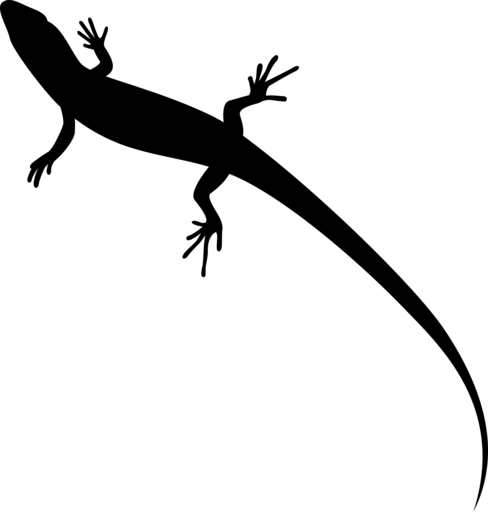
Eastern Mourning Skink
Lissolepis coventryi
Silhouette: David Orr · PhyloPic
- KingdomAnimalia (Animals)
- PhylumChordata (Chordates)
- ClassSquamata
- FamilyScincidae (Skinks)
- GenusLissolepis (Mourning Skinks)
- SpeciesLissolepis coventryi (Eastern Mourning Skink)
About the Eastern Mourning Skink
The eastern mourning skink (Lissolepis coventryi), also known commonly as Coventry's spinytail skink and the swamp skink, is a species of lizard in the family Scincidae. The species is endemic to Australia. The specific name, coventryi, is in honor of Australian herpetologist Albert John Coventry.
L. coventryi is found in the Australian states of South Australia, Victoria, and possibly New South Wales. The preferred natural habitat of L. coventryi is freshwater wetlands such as marshes and swamps. L. coventryi has an average snout-to-vent length (SVL) of 10 cm (3.9 in), with a long tail, which is almost one and a half times SVL, 15 cm (5.9 in)).
L. coventryi is viviparous. Cogger HG (2014). Reptiles and Amphibians of Australia, Seventh Edition. Clayton, Victoria, Australia: CSIRO Publishing. xxx + 1,033 pp. ISBN 978-0643100350. Storr GM (1978). "The genus Egernia (Lacertilia, Scincidae) in Western Australia". Records of the Western Australian Museum 6 (2): 147–187. (Egernia coventryi, new species, pp. 175–177, Plate 1).
Wilson S, Swan G (2013). A Complete... Wikipedia →
Recent sightings of Eastern Mourning Skink in Great Otway National Park
LIVEiNaturalistClosest Relatives at Great Otway National Park

 Cool-temperate Water Skink
Eulamprus tympanum

 Pale-flecked Garden Sunskink
Lampropholis guichenoti

Blotched Bluetongue
Tiliqua nigrolutea

McCoy's Skink
Anepischetosia maccoyi

Common Bluetongue
Tiliqua scincoides

White's Rock-skink
Liopholis whitii

Southern Weasel Skink
Saproscincus mustelinus

 Entrecasteaux's Skink
Pseudemoia entrecasteauxii
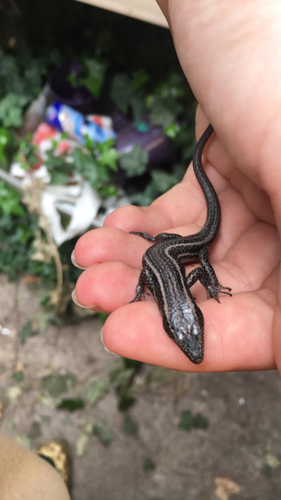
Trunk-climbing Cool-skink
Pseudemoia spenceri

Eastern Three-lined Skink
Acritoscincus duperreyi

Southern Forest Coolskink
Carinascincus coventryi

Eastern Striped Skink
Ctenotus robustus
Global Distribution
Warmer areas are where this animal is recorded most often.
Parks Where Found
| # | Park | Country | Daily sighting probability |
|---|---|---|---|
| 1 | Wilsons Promontory National Park | 🇦🇺 Australia | |
| 2 | Great Otway National Park | 🇦🇺 Australia |