Horton Plains National Park
🇱🇰 Sri Lanka
🐦 Pied Bushchats on Misty GrasslandHorton Plains National Park sits on a mist‑shrouded plateau in central Sri Lanka, a tropical rainforest that blends cloud‑covered forest with high‑altitude grassland. The park’s network of narrow tracks weaves through moss‑laden trees, bamboo thickets and open scrub, offering a glimpse of the island’s upland ecosystem.
6.802° N 80.798° E
Wildlife
⭐ Iconic Species
 ★
★  Sri Lanka White-eye
Zosterops ceylonensis
 ★
★  Black-cheek lizard
Calotes nigrilabris
 ★
★  Sri Lanka Junglefowl
Gallus lafayettii
📊 Most Spotted

 Pied Bushchat
Saxicola caprata

 Yellow-eared Bulbul
Pycnonotus penicillatus

 Hill Swallow
Hirundo domicola

 Dull-blue Flycatcher
Eumyias sordidus

 Large-billed Crow
Corvus macrorhynchos

 Cinereous Tit
Parus cinereus
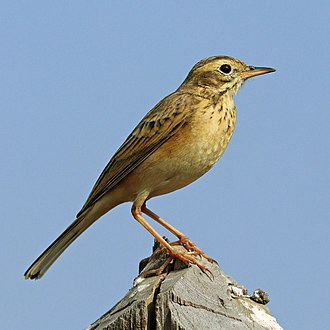
 Oriental Pipit
Anthus rufulus

 Indian Blackbird
Turdus simillimus

 Zitting Cisticola
Cisticola juncidis

Sri Lanka Bush-Warbler
Elaphrornis palliseri

 Grey Wagtail
Motacilla cinerea

Common Tailorbird
Orthotomus sutorius
📊 Most Spotted

 Indian Brown Mongoose
Herpestes fuscus

 Stripe-necked Mongoose
Herpestes vitticollis

 Indian Palm Squirrel
Funambulus palmarum

 Sambar
Rusa unicolor

Nilgiri Palm Squirrel
Funambulus sublineatus

 Toque Macaque
Macaca sinica

 Purple-faced Lutung
Semnopithecus vetulus

 Indian Bush-rat
Golunda ellioti

 Rufous Horseshoe Bat
Rhinolophus rouxii

 Small Indian Civet
Viverricula indica

 Wild Boar
Sus scrofa
⭐ Iconic Species
★ Sri Lanka White-eye
Zosterops ceylonensis
★ Sri Lanka Junglefowl
Gallus lafayettii
📊 Most Spotted
Pied Bushchat
Saxicola caprata
Yellow-eared Bulbul
Pycnonotus penicillatus
Hill Swallow
Hirundo domicola
Dull-blue Flycatcher
Eumyias sordidus
Large-billed Crow
Corvus macrorhynchos
Cinereous Tit
Parus cinereus
Oriental Pipit
Anthus rufulus
Indian Blackbird
Turdus simillimus
Zitting Cisticola
Cisticola juncidis
Sri Lanka Bush-Warbler
Elaphrornis palliseri
Grey Wagtail
Motacilla cinerea
Common Tailorbird
Orthotomus sutorius
⭐ Iconic Species
📊 Most Spotted

 Mountain Horned Agama
Ceratophora stoddartii

Common Green Forest Lizard
Calotes calotes

 Common Rough-sided Snake
Aspidura trachyprocta

Oriental Garden Lizard
Calotes versicolor

 Ceylon Deaf Agama
Cophotis ceylanica

 Spotted House Gecko
Hemidactylus parvimaculatus

 Gloyd's Hump-nosed Viper
Hypnale nepa
📊 Most Spotted

 Jerdon's Bullfrog
Hoplobatrachus crassus

 Dull-green Shrub Frog
Pseudophilautus viridis

Common Paddy Field Frog
Minervarya agricola

 Common Indian Toad
Duttaphrynus melanostictus

 Günther's Golden-backed Frog
Indosylvirana temporalis

Ferguson's Tree Frog
Pseudophilautus fergusonianus

 Saddled Tree frog
Taruga eques

Round-snout pygmy frog
Pseudophilautus femoralis
Recent sightings in Horton Plains National Park
LIVEiNaturalistAnimal Events
1World's End Sunrise Gathering
Thousands gather at dawn to witness the sunrise over the sheer 884m drop of World's End, where the misty horizon reveals the valley below.
2Sambar Rutting Season
Male sambar deer engage in loud, resonant roaring contests during the breeding season, echoing across the grasslands at dusk and dawn.
3Migratory Raptor Passage
Hundreds of raptors, including Oriental Honey-buzzards and Black-winged Kites, migrate through the park, soaring on thermal updrafts along the ridge lines.


Sighting Calendar
Average chance of spotting the park's most-spotted species, month by month
- 1World's End Sunrise Gathering
- 2Sambar Rutting Season
- 3Migratory Raptor Passage
Sighting Zones
Warmer areas are where all species together are recorded most often.
Essentials
Climate
What visitors saw
After paying and chatting to the person manning the ticket office we drove towards the car park We saw some Sambar Deer in the distance as we enjoyed this spectacular landscape.
These included the Sri Lanka purple-faced langur, Rhinohorn lizard, Sri Lanka dull blue flycatcher, Sri Lanka yellow-eared bulbul and some of us were even lucky enough to spot the Sri Lanka whistling thrush among many other wonderful sightings.
We drove past a pair of Sri Lanka Junglefowl and we saw single Red-wattled Lapwing. the colourful Tricoloured Munia - Tony Moore Some very impressive Sambhur Deer were strutting around on the plains and by the roadside, the males had huge antlers and people were getting too close to them if you ask me.
To me, the star bird – and the one I only saw here – is the Sri Lanka Whistling Thrush.
Quick answers
What animals can you see in Horton Plains National Park?
The most likely sightings are Sri Lanka White-eye (seen by about 90% of wildlife watchers), Pied Bushchat (seen by about 90% of wildlife watchers), Black-cheek lizard (seen by about 90% of wildlife watchers), Yellow-eared Bulbul (seen by about 80% of wildlife watchers), Hill Swallow (seen by about 80% of wildlife watchers) — among 631 recorded vertebrate species, based on citizen-science data from GBIF.
When is the best time to visit Horton Plains National Park for wildlife?
February has the highest combined sighting rate for the park's top species in our month-by-month GBIF data. The full sighting calendar on this page shows each species' best months.
Can you see Sri Lanka White-eye in Horton Plains National Park?
Yes — about 90% of wildlife watchers report a Sri Lanka White-eye sighting in Horton Plains National Park, based on 577 verified sightings from GBIF citizen-science data.
Can you see Black-cheek lizard in Horton Plains National Park?
Yes — about 90% of wildlife watchers report a Black-cheek lizard sighting in Horton Plains National Park, based on 72 verified sightings from GBIF citizen-science data.
Can you see Sri Lanka Junglefowl in Horton Plains National Park?
Yes — about 60% of wildlife watchers report a Sri Lanka Junglefowl sighting in Horton Plains National Park, based on 333 verified sightings from GBIF citizen-science data.
Where Wildlife Score
How good is this park for seeing wildlife?Biodiversity
Very goodHow rich is the wildlife?
Sighting
GoodHow likely to see animals?
Experience
Very goodHow easy and pleasant is the visit?


