
Black-capped Bulbul
Pycnonotus melanicterus
Silhouette: Andy Wilson · PhyloPic
- KingdomAnimalia (Animals)
- PhylumChordata (Chordates)
- ClassAves (Birds)
- OrderPasseriformes (Perching Birds)
- FamilyPycnonotidae (Bulbuls)
- GenusPycnonotus (Typical Bulbuls)
- SpeciesPycnonotus melanicterus (Black-capped Bulbul)
About the Black-capped Bulbul
The black-capped bulbul (Rubigula melanictera), or black-headed yellow bulbul, is a member of the bulbul family of passerine birds. It is endemic to Sri Lanka. The black-capped bulbul was formally described in 1789 by the German naturalist Johann Friedrich Gmelin in his revised and expanded edition of Carl Linnaeus's Systema Naturae. He placed it with the flycatchers in the genus Muscicapa and coined the binomial name Muscicapa melanictera. The specific epithet combines the Ancient Greek melas meaning "black" with ikteros meaning "jaundice-yellow". Gmelin based his description on the "yellow-breasted fly-catcher" from Sri Lanka that had been described and illustrated in 1776 by the English naturalist Peter Brown.
The black-capped bulbul was formerly placed in the genus Pycnonotus. A molecular phylogenetic study of the bulbul family published in 2017 found that Pycnonotus was polyphyletic. In the revision to the generic classification the black-capped bulbul and four other species were moved from Pycnonotus to Rubigula.
Until 2008, the black-capped bulbul was considered as conspecific with the black-crested, ruby-throated, flame-throated and Bornean bulbuls. Some authorities... Wikipedia →
Recent sightings of Black-capped Bulbul in Horton Plains National Park
LIVEiNaturalistClosest Relatives at Horton Plains National Park

 Yellow-eared Bulbul
Pycnonotus penicillatus

White-browed Bulbul
Pycnonotus luteolus

 Square-tailed Bulbul
Hypsipetes ganeesa

 Sri Lanka White-eye
Zosterops ceylonensis

 Pied Bushchat
Saxicola caprata

 Hill Swallow
Hirundo domicola

 Dull-blue Flycatcher
Eumyias sordidus

 Large-billed Crow
Corvus macrorhynchos

 Cinereous Tit
Parus cinereus
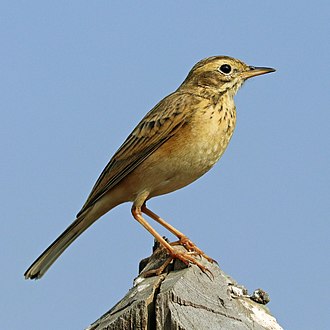
 Oriental Pipit
Anthus rufulus

 Indian Blackbird
Turdus simillimus

 Zitting Cisticola
Cisticola juncidis
Global Distribution
Warmer areas are where this animal is recorded most often.
Parks Where Found
| # | Park | Country | Daily sighting probability |
|---|---|---|---|
| 1 | Sinharaja Forest Reserve | 🇱🇰 Sri Lanka | |
| 2 | Minneriya National Park | 🇱🇰 Sri Lanka | |
| 3 | Wilpattu National Park | 🇱🇰 Sri Lanka | |
| 4 | Yala National Park | 🇱🇰 Sri Lanka | |
| 5 | Horton Plains National Park | 🇱🇰 Sri Lanka |