


Indian Pitta
Pitta brachyura
Silhouette: Rachael Joakim · PhyloPic
- KingdomAnimalia (Animals)
- PhylumChordata (Chordates)
- ClassAves (Birds)
- OrderPasseriformes (Perching Birds)
- FamilyPittidae (Pittas)
- GenusPitta (Typical Pittas)
- SpeciesPitta brachyura (Indian Pitta)
About the Indian Pitta
The Indian pitta (Pitta brachyura) also known as Navrang, is a passerine bird native to the Indian subcontinent. It inhabits scrub jungle, deciduous and dense evergreen forest. It breeds in the forests of the Himalayas, hills of central and western India, and migrates to other parts of the peninsula in winter. Although very colourful, it is usually shy and hidden in the undergrowth where it picks insects on the forest floor. It has a distinctive two note whistling call which is heard at dawn and dusk. It is listed as least concern on the IUCN Red List as the population is considered large.
The Indian pitta was first known in England after an illustration by an Indian artist was sent by Edward Bulkley to James Petiver and given the name of "Ponnunky pitta". This illustration was included by William Derham at the end of John Ray's posthumous Synopsis methodica avium which was published in 1713. The bird was again described and illustrated by Mathurin Jacques Brisson in 1760 and George Edwards in 1764. The Latin names coined by Brisson do not conform to the binomial nomenclature and are not recognised by the International Commission on Zoological Nomenclature. When in 1766... Wikipedia →
Recent sightings of Indian Pitta in Horton Plains National Park
LIVEiNaturalistClosest Relatives at Horton Plains National Park

 Sri Lanka White-eye
Zosterops ceylonensis

 Pied Bushchat
Saxicola caprata

 Yellow-eared Bulbul
Pycnonotus penicillatus

 Hill Swallow
Hirundo domicola

 Dull-blue Flycatcher
Eumyias sordidus

 Large-billed Crow
Corvus macrorhynchos

 Cinereous Tit
Parus cinereus
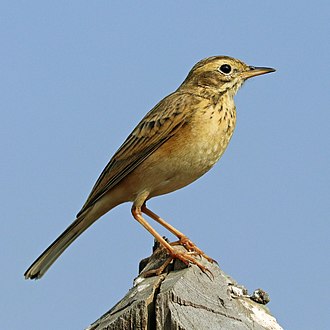
 Oriental Pipit
Anthus rufulus

 Indian Blackbird
Turdus simillimus

 Zitting Cisticola
Cisticola juncidis

Sri Lanka Bush-Warbler
Elaphrornis palliseri

 Grey Wagtail
Motacilla cinerea
Global Distribution
Warmer areas are where this animal is recorded most often.
Parks Where Found
| # | Park | Country | Daily sighting probability |
|---|---|---|---|
| 1 | Bandhavgarh National Park | 🇮🇳 India | |
| 2 | Wilpattu National Park | 🇱🇰 Sri Lanka | |
| 3 | Yala National Park | 🇱🇰 Sri Lanka | |
| 4 | Mudumalai National Park | 🇮🇳 India | |
| 5 | Minneriya National Park | 🇱🇰 Sri Lanka | |
| 6 | Kanha National Park | 🇮🇳 India | |
| 7 | Royal Bardia National Park | 🇳🇵 Nepal | |
| 8 | Periyar National Park | 🇮🇳 India | |
| 9 | Jim Corbett National Park | 🇮🇳 India | |
| 10 | Gir National Park | 🇮🇳 India | |
| 11 | Ranthambore National Park | 🇮🇳 India | |
| 12 | Sinharaja Forest Reserve | 🇱🇰 Sri Lanka | |
| 13 | Satpura National Park | 🇮🇳 India | |
| 14 | Nagarhole National Park | 🇮🇳 India | |
| 15 | Bandipur National Park | 🇮🇳 India | |
| 16 | Chitwan National Park | 🇳🇵 Nepal | |
| 17 | Eravikulam National Park | 🇮🇳 India | |
| 18 | Horton Plains National Park | 🇱🇰 Sri Lanka | |
| 19 | Namdapha National Park | 🇮🇳 India |