



Sri Lanka Scimitar-Babbler
Pomatorhinus melanurus
Silhouette: Sheatherius · PhyloPic
- KingdomAnimalia (Animals)
- PhylumChordata (Chordates)
- ClassAves (Birds)
- OrderPasseriformes (Perching Birds)
- FamilyTimaliidae (Tree-Babblers, Scimitar-Babblers, and Allies)
- GenusPomatorhinus (Eyebrowed Scimitar-Babblers)
- SpeciesPomatorhinus melanurus (Sri Lanka Scimitar-Babbler)
About the Sri Lanka Scimitar-Babbler
The Sri Lanka scimitar babbler or Ceylon scimitar babbler (Pomatorhinus melanurus) is an Old World babbler. It is endemic to the island of Sri Lanka and was formerly treated as a subspecies of Indian scimitar babbler. The nominate form is found in the western part of wet hill regions of Sri Lanka, while race holdsworthi is found in the dry lowlands and eastern hills.
Most scimitar babbler species are referred as parandel kurulla by the Sinhala-speaking community. The term 'parandel' refers to dried grass and probably refers to the color of the bird. The vernacular name of the bird parandel kurulla roughly translates to English as 'dried-grass-colored bird'. This bird appears in a 4.50 rupee Sri Lankan postal stamp.
Internet Bird Collection Wikipedia →
Recent sightings of Sri Lanka Scimitar-Babbler in Horton Plains National Park
LIVEiNaturalistClosest Relatives at Horton Plains National Park

 Dark-fronted Babbler
Rhopocichla atriceps

 Tawny-bellied Babbler
Dumetia hyperythra

 Sri Lanka White-eye
Zosterops ceylonensis

 Pied Bushchat
Saxicola caprata

 Yellow-eared Bulbul
Pycnonotus penicillatus

 Hill Swallow
Hirundo domicola

 Dull-blue Flycatcher
Eumyias sordidus

 Large-billed Crow
Corvus macrorhynchos

 Cinereous Tit
Parus cinereus
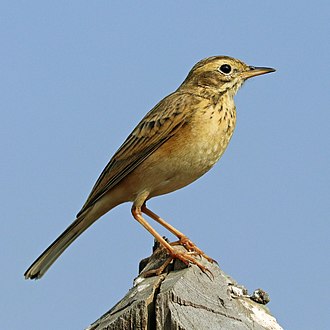
 Oriental Pipit
Anthus rufulus

 Indian Blackbird
Turdus simillimus

Zitting Cisticola
Cisticola juncidis
Global Distribution
Warmer areas are where this animal is recorded most often.
Parks Where Found
| # | Park | Country | Daily sighting probability |
|---|---|---|---|
| 1 | Horton Plains National Park | 🇱🇰 Sri Lanka | |
| 2 | Sinharaja Forest Reserve | 🇱🇰 Sri Lanka | |
| 3 | Yala National Park | 🇱🇰 Sri Lanka |
Quick answers
What are the chances of seeing a Sri Lanka Scimitar-Babbler in Horton Plains National Park?
About 60% of wildlife watchers report a Sri Lanka Scimitar-Babbler sighting in Horton Plains National Park, based on 289 verified sightings from GBIF citizen-science data.
When is the best time to see Sri Lanka Scimitar-Babbler in Horton Plains National Park?
October has the highest sighting rate for Sri Lanka Scimitar-Babbler in Horton Plains National Park in our monthly data.