



Sri Lanka Thrush
Zoothera imbricata
Silhouette: Francesco "Architetto" Rollandin · PhyloPic
- KingdomAnimalia (Animals)
- PhylumChordata (Chordates)
- ClassAves (Birds)
- OrderPasseriformes (Perching Birds)
- FamilyTurdidae (Thrushes)
- GenusZoothera (Asian Thrushes)
- SpeciesZoothera imbricata (Sri Lanka Thrush)
About the Sri Lanka Thrush
The Sri Lanka thrush or Sri Lanka scaly thrush (Zoothera imbricata) is a member of the thrush family Turdidae. This bird is an endemic resident breeder found in south western rainforests of the island of Sri Lanka. Zoothera imbricata was formerly treated as a race of the scaly thrush. It belongs in a group, possibly a superspecies, formed by that species and Z. lunulata, Z. heinei, Z. machiki, Z. talaseae, Z. margaretae etc., Z. imbricata being smaller, longer billed and rufous below.
In Internet Bird Collection Wikipedia →
Recent sightings of Sri Lanka Thrush in Horton Plains National Park
LIVEiNaturalistClosest Relatives at Horton Plains National Park

 Indian Blackbird
Turdus simillimus

 Spot-winged Thrush
Geokichla spiloptera

Pied Thrush
Geokichla wardii

 Sri Lanka White-eye
Zosterops ceylonensis

 Pied Bushchat
Saxicola caprata

 Yellow-eared Bulbul
Pycnonotus penicillatus

 Hill Swallow
Hirundo domicola

 Dull-blue Flycatcher
Eumyias sordidus

 Large-billed Crow
Corvus macrorhynchos

 Cinereous Tit
Parus cinereus
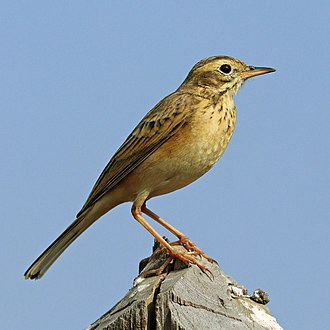
 Oriental Pipit
Anthus rufulus

 Zitting Cisticola
Cisticola juncidis
Global Distribution
Warmer areas are where this animal is recorded most often.
Parks Where Found
| # | Park | Country | Daily sighting probability |
|---|---|---|---|
| 1 | Sinharaja Forest Reserve | 🇱🇰 Sri Lanka | |
| 2 | Horton Plains National Park | 🇱🇰 Sri Lanka |
Quick answers
What are the chances of seeing a Sri Lanka Thrush in Horton Plains National Park?
About 10% of wildlife watchers report a Sri Lanka Thrush sighting in Horton Plains National Park, based on 47 verified sightings from GBIF citizen-science data.
When is the best time to see Sri Lanka Thrush in Horton Plains National Park?
May has the highest sighting rate for Sri Lanka Thrush in Horton Plains National Park in our monthly data.