Isla del Coco National Park
🇨🇷 Costa Rica
🦈 Schooling Hammerhead Shark WatersIsla del Coco is the ultimate bucket-list destination for shark encounters — home to the largest schools of scalloped hammerhead sharks on Earth. Located 532 km off Costa Rica's Pacific coast, this uninhabited volcanic island is a UNESCO World Heritage Site and one of the top 10 dive destinations in the world.
5.489° N 87.029° W
Wildlife
⭐ Iconic Species
 ★
 Scalloped Hammerhead
Sphyrna lewini
 ★
 Whitetip Reef Shark
Triaenodon obesus
 ★
 Oceanic Manta Ray
Mobula birostris
 ★
 Whale Shark
Rhincodon typus
📊 Most Spotted

 Cocos Finch
Pinaroloxias inornata

 Red-footed Booby
Sula sula

 Great Frigatebird
Fregata minor

Blotched Fantail Ray
Taeniurops meyeni

 Cocos Flycatcher
Nesotriccus ridgwayi

 White Tern
Gygis alba

 Whimbrel
Numenius phaeopus

 Semipalmated Plover
Charadrius semipalmatus

 Brown Noddy
Anous stolidus
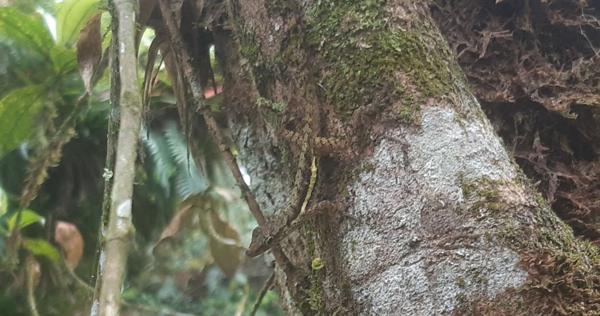
 Townsend's Anole
Anolis townsendi

 Yellow Warbler
Setophaga petechia

 Osprey
Pandion haliaetus


📊 Most Spotted
Cocos Finch
Pinaroloxias inornata
Red-footed Booby
Sula sula
Great Frigatebird
Fregata minor
Cocos Flycatcher
Nesotriccus ridgwayi
White Tern
Gygis alba
Whimbrel
Numenius phaeopus
Semipalmated Plover
Charadrius semipalmatus
Brown Noddy
Anous stolidus
Yellow Warbler
Setophaga petechia
Osprey
Pandion haliaetus

 Wandering Tattler
Tringa incana

 Cocos Cuckoo
Coccyzus ferrugineus


📊 Most Spotted
⭐ Iconic Species
★ Scalloped Hammerhead
Sphyrna lewini
★ Whitetip Reef Shark
Triaenodon obesus
★ Oceanic Manta Ray
Mobula birostris
★ Whale Shark
Rhincodon typus
📊 Most Spotted
Blotched Fantail Ray
Taeniurops meyeni

 Galápagos Shark
Carcharhinus galapagensis

 White-spotted Eagle Ray
Aetobatus ocellatus

Silvertip Shark
Carcharhinus albimarginatus
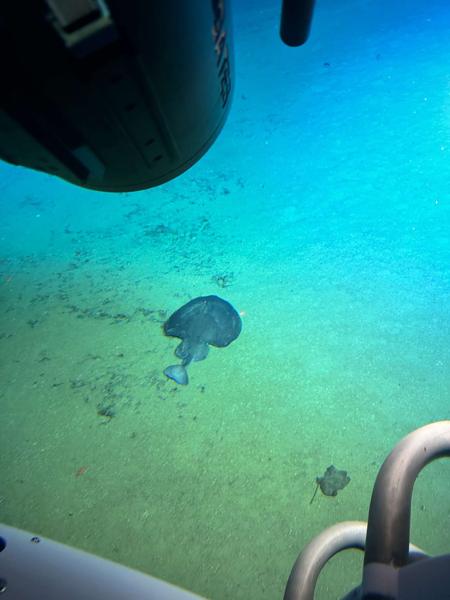
 Chilean Torpedo
Tetronarce tremens

 Blacktip Reef Shark
Carcharhinus melanopterus

 Tiger Shark
Galeocerdo cuvier

Pacific Eagle Ray
Aetobatus laticeps

 Leopard Round Ray
Urobatis pardalis
Recent sightings in Isla del Coco National Park
LIVEiNaturalistAnimal Events
1Hammerhead Shark Aggregation
Hundreds of scalloped hammerheads mass together in the cool currents sweeping past the island, stacking into the shimmering 'walls of sharks' that made Cocos legendary. The congregations swirl around seamounts and cleaning stations, and cluster densely during the wet-season currents.
2Whale Shark Season
The whale shark, the largest fish in the ocean, glides through Cocos waters with its cavernous mouth agape, straining plankton from the current. Sightings rise with the wet-season plankton bloom that draws these gentle giants in to feed.
3Giant Manta Ray Season
Giant oceanic mantas soar onto Cocos cleaning stations, hovering with wings outstretched while smaller fish pick them clean, often joined by Pacific eagle rays sweeping the same waters. The calmer, clearer dry-season window is the best time to watch these graceful giants spiral overhead.
4Seabird Nesting Colonies
Cocos erupts with breeding seabirds as red-footed boobies and great frigatebirds crowd the cliffs and treetops in noisy nesting colonies. Among them, delicate white terns lay their single egg here at the only regular nesting site in the Eastern Tropical Pacific.
Sighting Calendar
Average chance of spotting the park's most-spotted species, month by month
- 1Hammerhead Shark Aggregation
- 2Whale Shark Season
- 3Giant Manta Ray Season
- 4Seabird Nesting Colonies
Sighting Zones
Warmer areas are where all species together are recorded most often.
Essentials
Climate
What visitors saw
I think there were even groupings of hammerheads in larger numbers spotted by other divers that I missed out on.
We have a day and a half to get our gear and equipment together, watch for (and see) dolphins, sea turtles, and seabirds break the calm surface of the seas, enjoy the sunsets, get to know our new boat mates, and catch up with our regulars and crew we haven’t seen for awhile.
On our second dive there, and our last dive of the trip, I found a perfectly smooth tiger shark tooth nestled in a sandy patch on top of the rock.
Photo taken at the Cairns aquarium.Photo Credit: David Clode One of my most memorable moments came when I spotted a rare Galapagos shark (Carcharhinus galapagensis) lurking in the shadows of a rocky outcrop.
Quick answers
What animals can you see in Isla del Coco National Park?
The most likely sightings are Cocos Finch (seen by over 90% of wildlife watchers), Red-footed Booby (seen by over 90% of wildlife watchers), Great Frigatebird (seen by over 90% of wildlife watchers), Whitetip Reef Shark (seen by about 90% of wildlife watchers), Blotched Fantail Ray (seen by about 80% of wildlife watchers) — among 206 recorded vertebrate species, based on citizen-science data from GBIF.
When is the best time to visit Isla del Coco National Park for wildlife?
September has the highest combined sighting rate for the park's top species in our month-by-month GBIF data. The full sighting calendar on this page shows each species' best months.
Can you see Scalloped Hammerhead in Isla del Coco National Park?
Yes — about 80% of wildlife watchers report a Scalloped Hammerhead sighting in Isla del Coco National Park, based on 12 verified sightings from GBIF citizen-science data.
Can you see Whitetip Reef Shark in Isla del Coco National Park?
Yes — about 90% of wildlife watchers report a Whitetip Reef Shark sighting in Isla del Coco National Park, based on 76 verified sightings from GBIF citizen-science data.
Can you see Oceanic Manta Ray in Isla del Coco National Park?
Yes — about 40% of wildlife watchers report a Oceanic Manta Ray sighting in Isla del Coco National Park, based on 3 verified sightings from GBIF citizen-science data.
Can you see Whale Shark in Isla del Coco National Park?
Yes — about 20% of wildlife watchers report a Whale Shark sighting in Isla del Coco National Park, based on 1 verified sighting from GBIF citizen-science data.
Where Wildlife Score
How good is this park for seeing wildlife?Biodiversity
GoodHow rich is the wildlife?
Sighting
Very goodHow likely to see animals?
Experience
ExcellentHow easy and pleasant is the visit?