



Papuan Whipsnake
Demansia papuensis
Silhouette: SeismicShrimp · PhyloPic
- KingdomAnimalia (Animals)
- PhylumChordata (Chordates)
- ClassSquamata
- FamilyElapidae (Elapid Snakes)
- GenusDemansia (Whipsnakes)
- SpeciesDemansia papuensis (Papuan Whipsnake)
About the Papuan Whipsnake
The greater black whipsnake (Demansia papuensis) is a species of venomous snake in the family Elapidae. D. papuensis has a constant light to dark brown or black colouration, and a tan coloured head with small dark spots. The species is able to reach up to 1.5 m (4.9 ft).
The snake is found mainly in the northern parts of Australia (the far north-east of Western Australia, north Northern Territory, and Northern Queensland). It lives in open forests and woodlands. Wikipedia →
Recent sightings of Papuan Whipsnake in Kakadu National Park
LIVEiNaturalistClosest Relatives at Kakadu National Park

 Black Whip Snake
Demansia vestigiata
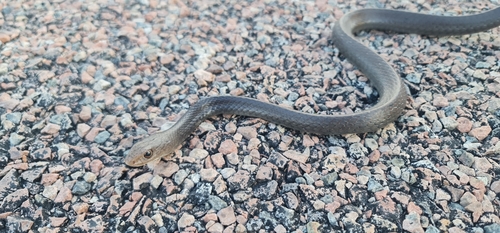
Olive Whipsnake
Demansia olivacea

Mulga Snake
Pseudechis australis

Rough-scaled Death Adder
Acanthophis rugosus

Northern Brown Snake
Pseudonaja nuchalis

Orange-naped Snake
Furina ornata

Plains Death Adder
Acanthophis hawkei

Weigel's Black Snake
Pseudechis weigeli
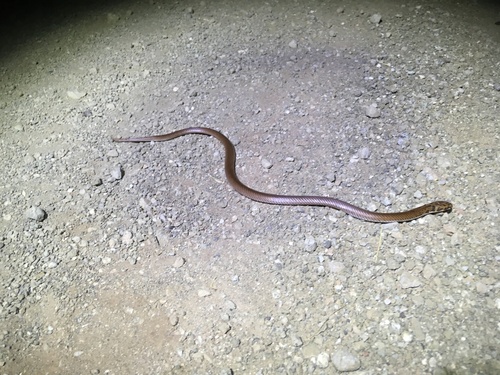
Little Spotted Snake
Suta punctata
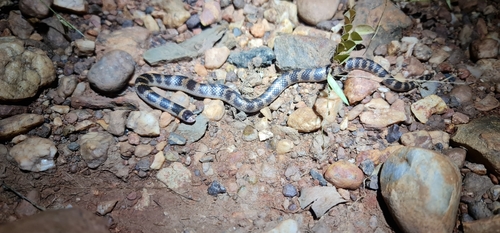
Northern Shovel-nosed Snake
Brachyurophis roperi

Coastal Taipan
Oxyuranus scutellatus
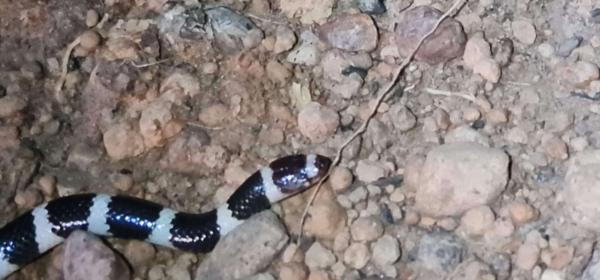
Intermediate Bandy Bandy
Vermicella intermedia
Global Distribution
Warmer areas are where this animal is recorded most often.
Parks Where Found
| # | Park | Country | Daily sighting probability |
|---|---|---|---|
| 1 | Nitmiluk National Park | 🇦🇺 Australia | |
| 2 | Kakadu National Park | 🇦🇺 Australia | |
| 3 | Litchfield National Park | 🇦🇺 Australia |
Quick answers
What are the chances of seeing a Papuan Whipsnake in Kakadu National Park?
About 20% of wildlife watchers report a Papuan Whipsnake sighting in Kakadu National Park, based on 14 verified sightings from GBIF citizen-science data.
When is the best time to see Papuan Whipsnake in Kakadu National Park?
April has the highest sighting rate for Papuan Whipsnake in Kakadu National Park in our monthly data.