


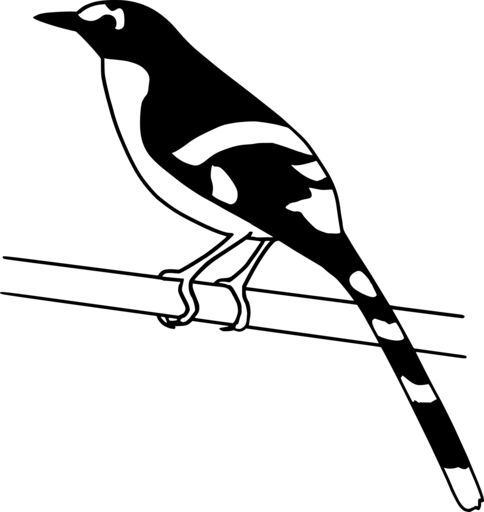
Sunda Forktail
Enicurus velatus
Silhouette: Andy Wilson · PhyloPic
- KingdomAnimalia (Animals)
- PhylumChordata (Chordates)
- ClassAves (Birds)
- OrderPasseriformes (Perching Birds)
- FamilyMuscicapidae (Old World Flycatchers, Robins, and Chats)
- GenusEnicurus (Forktails)
- SpeciesEnicurus velatus (Sunda Forktail)
About the Sunda Forktail
The Sunda forktail (Enicurus velatus) is a species of bird in the family Muscicapidae. It is endemic to Indonesia, where it is restricted to the islands of Java and Sumatra. Its natural habitat is boulder strewn streams in tropical moist montane forest from 600–2000 m. More rarely the species occurs closer to sea level. The species is common in Sumatra, but is rarer in Java, where the white-crowned forktail is more common.
The Sunda forktail was formally described and illustrated in 1822 by the Dutch zoologist Coenraad Jacob Temminck under the binomial name Enicurus velatus. The specific epithet velatus is Latin meaning "veiled". Two subspecies are recognised:
E. v. sumatranus Robinson & Kloss, 1923 – montane Sumatra E. v. velatus Temminck, 1822 – montane Java The Sunda forktail is 16 cm (6.3 in) in length with a deeply forked tail. The male has a white breast, belly and rump, and black wings, and a dark grey back and head. There is a small white line between the eyes. The tail is black with white barring. The female is similar to the male but has a brown crown and nape. The nominate race is found on Java. The Sumatran subspecies, sumatranus, differs... Wikipedia →
Recent sightings of Sunda Forktail in Kerinci Seblat National Park
LIVEiNaturalistClosest Relatives at Kerinci Seblat National Park

 White-crowned Forktail
Enicurus leschenaulti

 Shiny Whistling-Thrush
Myophonus melanurus

 Snowy-browed Flycatcher
Ficedula hyperythra

Large Niltava
Niltava grandis

Lesser Shortwing
Brachypteryx leucophris

Indigo Flycatcher
Eumyias indigo

Chestnut-winged Whistling-Thrush
Myophonus castaneus

Blue Whistling-Thrush
Myophonus caeruleus
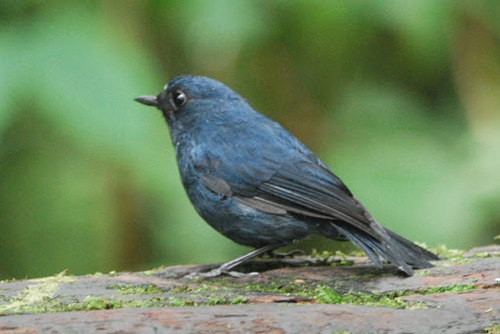
Sumatran Robin
Myiomela sumatrana

Verditer Flycatcher
Eumyias thalassinus

Fulvous-chested Jungle Flycatcher
Rhinomyias olivaceus
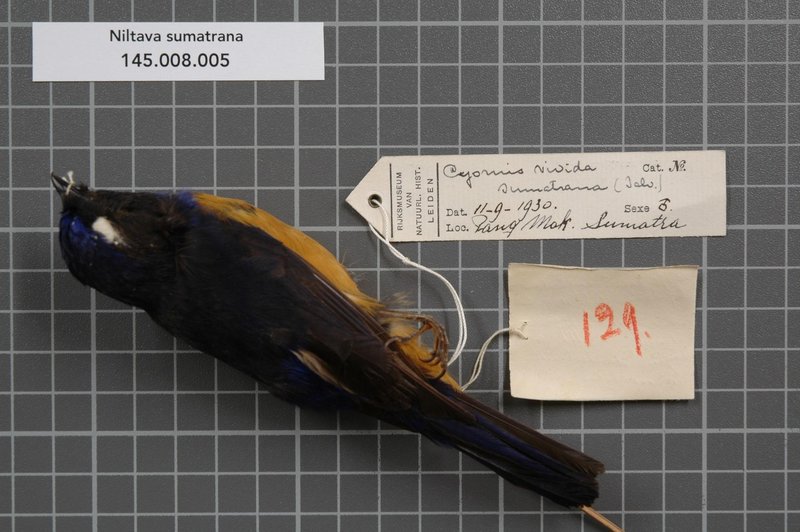
Rufous-vented Niltava
Niltava sumatrana
Global Distribution
Warmer areas are where this animal is recorded most often.
Parks Where Found
| # | Park | Country | Daily sighting probability |
|---|---|---|---|
| 1 | Kerinci Seblat National Park | 🇮🇩 Indonesia |
More parks will be added in future updates.
Quick answers
What are the chances of seeing a Sunda Forktail in Kerinci Seblat National Park?
About 30% of wildlife watchers report a Sunda Forktail sighting in Kerinci Seblat National Park, based on 14 verified sightings from GBIF citizen-science data.
When is the best time to see Sunda Forktail in Kerinci Seblat National Park?
January has the highest sighting rate for Sunda Forktail in Kerinci Seblat National Park in our monthly data.