Langtang National Park
🇳🇵 Nepal
🐻 Red Panda Winter WonderlandLangtang National Park sits in the central Himalayas of Nepal, a mosaic of steep valleys, terraced ridges and temperate conifer forest that climbs toward snow‑capped peaks. Its mountainous woodlands contrast with the low‑land jungles of the country’s southern parks, offering a cooler, forested highland experience.
28.179° N 85.491° E
Wildlife
⭐ Iconic Species
 ★
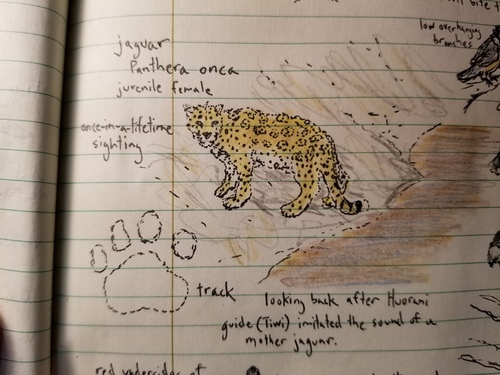
★  Red Panda
Ailurus fulgens
 ★
★  Snow Leopard
Uncia uncia
 ★
★  Himalayan Langur
Semnopithecus schistaceus
📊 Most Spotted

 Large-billed Crow
Corvus macrorhynchos

 Blue Whistling-Thrush
Myophonus caeruleus

 Streaked Laughingthrush
Trochalopteron lineatum

Rufous Sibia
Heterophasia capistrata

 Green-backed Tit
Parus monticolus

 Grey-hooded Warbler
Phylloscopus xanthoschistos

Blue-fronted Redstart
Phoenicurus frontalis

Variegated Laughingthrush
Trochalopteron variegatum

Chestnut-crowned Laughingthrush
Trochalopteron erythrocephalum

White-browed Fulvetta
Fulvetta vinipectus

 Gold-billed Magpie
Urocissa flavirostris

 Oriental Turtle Dove
Streptopelia orientalis
⭐ Iconic Species
★ Red Panda
Ailurus fulgens
★ Snow Leopard
Uncia uncia
★ Himalayan Langur
Semnopithecus schistaceus
📊 Most Spotted

 Himalayan Tahr
Hemitragus jemlahicus

 Indian Muntjac
Muntiacus muntjak

 Domestic Yak
Bos grunniens

Grey Himalayan Goral
Naemorhedus goral

 Assam Macaque
Macaca assamensis

 Himalayan Pika
Ochotona roylii

 Orange-bellied Himalayan Squirrel
Dremomys lokriah

 Yellow-throated Marten
Martes flavigula

 Himalayan Muskdeer
Moschus leucogaster

 Wild Boar
Sus scrofa

 Yellow-bellied Weasel
Mustela kathiah
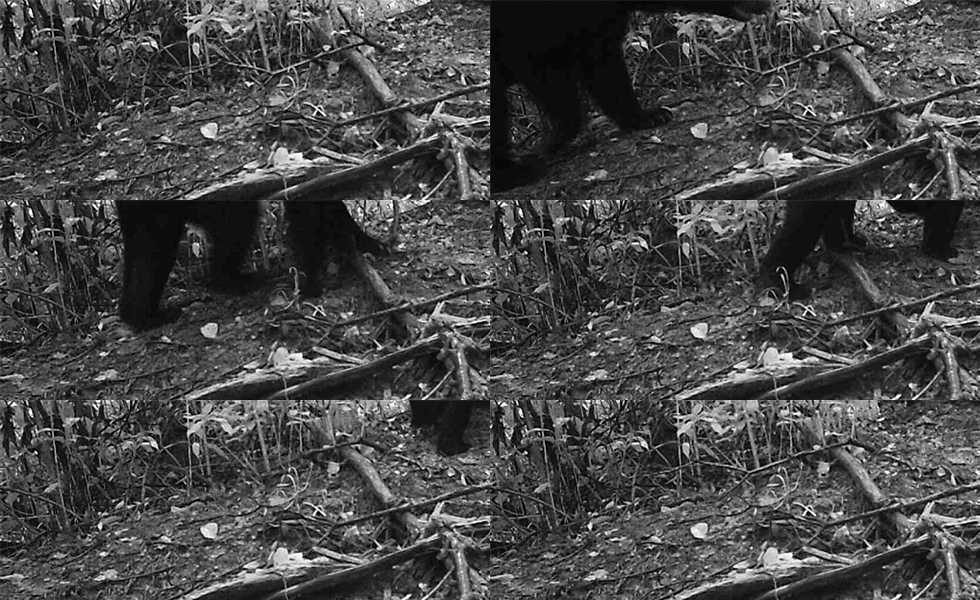
 Asiatic Black Bear
Ursus thibetanus
📊 Most Spotted
Large-billed Crow
Corvus macrorhynchos
Blue Whistling-Thrush
Myophonus caeruleus
Streaked Laughingthrush
Trochalopteron lineatum
Rufous Sibia
Heterophasia capistrata
Green-backed Tit
Parus monticolus
Grey-hooded Warbler
Phylloscopus xanthoschistos
Blue-fronted Redstart
Phoenicurus frontalis
Variegated Laughingthrush
Trochalopteron variegatum
Chestnut-crowned Laughingthrush
Trochalopteron erythrocephalum
White-browed Fulvetta
Fulvetta vinipectus
Gold-billed Magpie
Urocissa flavirostris
Oriental Turtle Dove
Streptopelia orientalis
📊 Most Spotted

 Kashmir Rock Agama
Laudakia tuberculata

 Himalayan Trinket
Elaphe hodgsoni

 Himalayan Pitviper
Protobothrops himalayanus

Cloud-forest Japalure
Japalura tricarinata

Big-eyed Bamboo Snake
Pseudoxenodon macrops

Himalayan Keelback
Herpetoreas platyceps
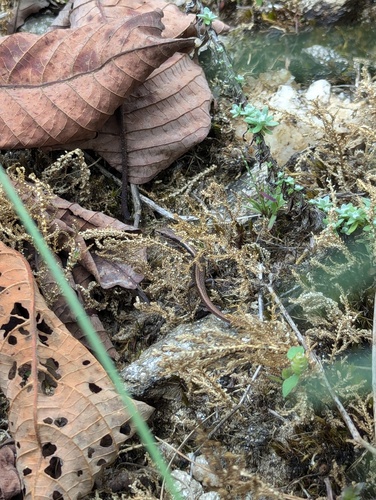
 Bronzy-Brown Skink
Asymblepharus sikimmensis


Recent sightings in Langtang National Park
LIVEiNaturalistAnimal Events
1Red Panda Winter Activity Peak
Red Pandas are most active during winter, descending to lower altitudes to forage on bamboo shoots and rest in tree hollows.
2Snow Leopard Prey Tracking Season
Snow Leopards follow Himalayan Tahr and Musk Deer migrations, making them more visible near cliffs and ridges during autumn.
3Himalayan Tahr Rutting Display
Male Himalayan Tahrs engage in dramatic head-butting contests and vocal displays to establish dominance during mating season.
Sighting Calendar
Average chance of spotting the park's most-spotted species, month by month
- 1Red Panda Winter Activity Peak
- 2Snow Leopard Prey Tracking Season
- 3Himalayan Tahr Rutting Display
Sighting Zones
Warmer areas are where all species together are recorded most often.
Essentials
Climate
Quick answers
What animals can you see in Langtang National Park?
The most likely sightings are Large-billed Crow (seen by about 70% of wildlife watchers), Blue Whistling-Thrush (seen by about 70% of wildlife watchers), Streaked Laughingthrush (seen by about 60% of wildlife watchers), Himalayan Langur (seen by about 60% of wildlife watchers), Rufous Sibia (seen by about 60% of wildlife watchers) — among 914 recorded vertebrate species, based on citizen-science data from GBIF.
When is the best time to visit Langtang National Park for wildlife?
January has the highest combined sighting rate for the park's top species in our month-by-month GBIF data. The full sighting calendar on this page shows each species' best months.
Can you see Red Panda in Langtang National Park?
It's possible but not guaranteed: about 10% of wildlife watchers report a Red Panda sighting in Langtang National Park, based on 2 verified sightings from GBIF citizen-science data. Sightings take luck and time in the field.
Can you see Snow Leopard in Langtang National Park?
It's possible but not guaranteed: about 10% of wildlife watchers report a Snow Leopard sighting in Langtang National Park, based on 2 verified sightings from GBIF citizen-science data. Sightings take luck and time in the field.
Can you see Himalayan Langur in Langtang National Park?
Yes — about 60% of wildlife watchers report a Himalayan Langur sighting in Langtang National Park, based on 79 verified sightings from GBIF citizen-science data.
Where Wildlife Score
How good is this park for seeing wildlife?Biodiversity
GoodHow rich is the wildlife?
Sighting
GoodHow likely to see animals?
Experience
GoodHow easy and pleasant is the visit?
Explore Other Parks
 📍 116 km 🦏 Rhinoceros Roaming Chitwan's Wetlands
 Chitwan National Park
📍 282 km 🐦 Watch Blue Whistling-thrush Amidst Himalayan Peaks Khangchendzonga National Park
 📍 388 km 🐯 Tiger Roams Royal Bardia
 Royal Bardia National Park
 📍 537 km 🐒 Royal Manas Gee's Golden Langur Refuge