



Trans-Andean Vine Snake
Oxybelis transandinus
Silhouette: Alex Slavenko · PhyloPic
- KingdomAnimalia (Animals)
- PhylumChordata (Chordates)
- ClassSquamata
- FamilyColubridae (Colubrid Snakes)
- GenusOxybelis (Vine Snakes)
- SpeciesOxybelis transandinus (Trans-Andean Vine Snake)
About the Trans-Andean Vine Snake
Oxybelis transandinus is a species of snake. The species was originally described in 2021 by Omar Torres-Carvajal, Mauricio Mejía-Guerrero and Claudia Terán from the Museo de Zoología of the Pontificia Universidad Católica in Ecuador.
Oxybelis transandinus is a species of Neotropical vine snakes that is endemic to Ecuador. It has been recently described as being distinct from a similar species of vine snake; Oxybelis aeneus. Phylogenetic analyses has shown distinctive genetic differences.
The species has been observed in Ecuador. The Holotype has been collected in Bosqueira Protected Forest and is an adult male. Paratypes were collected throughout the Pacific lowlands of Ecuador. The species have been observed in dry ecosystems where the snake is active from the ground up to 1.5 meters in shrubs.
The name of the species is derived from Latin, where "Trans", means beyond and "Andinus" means Andean. Wikipedia →
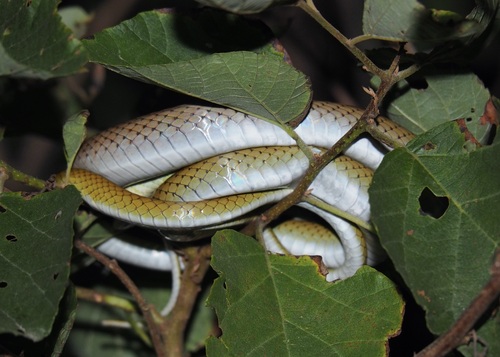
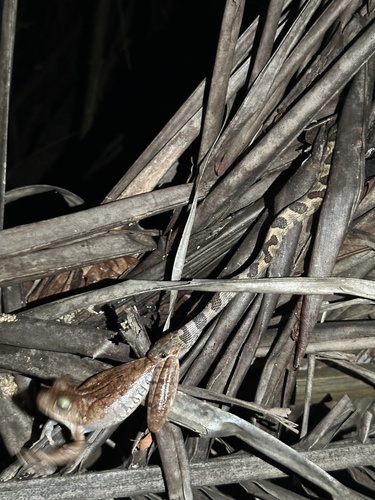
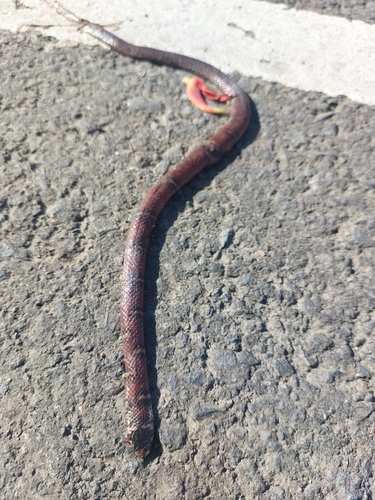
Recent sightings of Trans-Andean Vine Snake in Machalilla National Park
LIVEiNaturalistClosest Relatives at Machalilla National Park




Global Distribution
Warmer areas are where this animal is recorded most often.
Parks Where Found
| # | Park | Country | Daily sighting probability |
|---|---|---|---|
| 1 | Machalilla National Park | 🇪🇨 Ecuador |
More parks will be added in future updates.
Quick answers
What are the chances of seeing a Trans-Andean Vine Snake in Machalilla National Park?
About 20% of wildlife watchers report a Trans-Andean Vine Snake sighting in Machalilla National Park, based on 11 verified sightings from GBIF citizen-science data.
When is the best time to see Trans-Andean Vine Snake in Machalilla National Park?
April has the highest sighting rate for Trans-Andean Vine Snake in Machalilla National Park in our monthly data.