
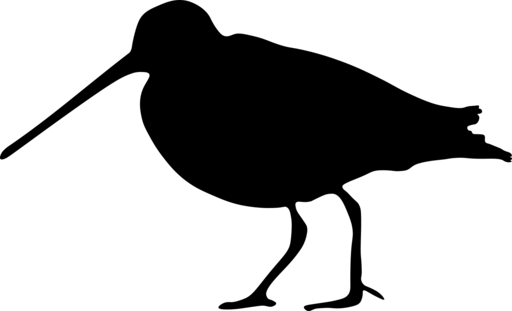
Imperial Snipe
Gallinago imperialis
Silhouette: Jamie Whitehouse · PhyloPic
- KingdomAnimalia (Animals)
- PhylumChordata (Chordates)
- ClassAves (Birds)
- OrderCharadriiformes (Shorebirds and Allies)
- FamilyScolopacidae (Sandpipers and Allies)
- GenusGallinago (Typical Snipes)
- SpeciesGallinago imperialis (Imperial Snipe)
About the Imperial Snipe
The imperial snipe (Gallinago imperialis) is a small stocky wader which breeds in the Andes. For a century it was known only from two specimens collected near Bogotá, Colombia, and was presumed extinct, but it was rediscovered in Peru in 1967 and Ecuador in 1988. It is not known if it is migratory.
This 29–31 cm (11–12 in) long snipe has a stocky body and relatively short legs for a wader. Its adult plumage is dark rufous brown except for the lower belly and undertail, which are white with heavy brown barring. The grey bill is long, straight and fairly robust, and the legs and feet are grey. The sexes are similar. The juvenile plumage is unknown, but in most snipe species, young birds differ from adults only in showing pale fringes on the wing coverts.
In flight, the imperial snipe looks heavy, broad-winged and short-tailed, and the banded belly contrasts with the dark breast and underwing. It has a shatteringly loud raucous song in its display flight, starting with single notes and moving on to double or triple notes.
Compared with other snipes with an overlapping range, the imperial snipe is obviously larger than the Magellan snipe, which has clear pale stripes... Wikipedia →
Recent sightings of Imperial Snipe in Podocarpus National Park
LIVEiNaturalistClosest Relatives at Podocarpus National Park


Global Distribution
Warmer areas are where this animal is recorded most often.
Parks Where Found
| # | Park | Country | Daily sighting probability |
|---|---|---|---|
| 1 | Podocarpus National Park | 🇪🇨 Ecuador |
More parks will be added in future updates.