Podocarpus National Park
🇪🇨 Ecuador
🐦 Collared Inca's Misty PeaksPodocarpus National Park is a rugged tropical rainforest sanctuary in the Southern Andes of Ecuador, spanning steep mountain slopes and dense jungle valleys. Dense cloud forests and high Andean vegetation cloak the park, traversed by steep dirt trails through thick fern-choked undergrowth. This protected area is famous for shielding rare Andean wildlife, including the signature Marañón white-fronted capuchin that forages through the upper forest canopy during morning hours.
-4.370° S 78.933° W
Wildlife
⭐ Iconic Species
 ★
★  Jocotoco Antpitta
Grallaria ridgelyi
 ★
★  Andean Bear
Tremarctos ornatus
 ★
★  Bearded Guan
Penelope barbata
 ★
★  Andean Tapir
Tapirus pinchaque
📊 Most Spotted

 Marañón white-fronted capuchin
Cebus yuracus

 Collared Inca
Coeligena torquata

 Blue-and-white Swallow
Notiochelidon cyanoleuca

 Band-tailed Pigeon
Patagioenas fasciata

 Amethyst-throated Sunangel
Heliangelus amethysticollis

Masked Flowerpiercer
Diglossa cyanea

Lacrimose Mountain-Tanager
Anisognathus lacrymosus

Blue-necked Tanager
Stilpnia cyanicollis

 Yellow-breasted Brush-Finch
Atlapetes latinuchus

 Great Thrush
Turdus fuscater

Green Jay
Cyanocorax yncas

 Chestnut-breasted Coronet
Boissonneaua matthewsii
⭐ Iconic Species
📊 Most Spotted
Marañón white-fronted capuchin
Cebus yuracus

 South American Coati
Nasua nasua

 Black Agouti
Dasyprocta fuliginosa

 Mountain Coati
Nasua olivacea

 Red-tailed Squirrel
Sciurus granatensis

 Stump-tailed Porcupine
Echinoprocta rufescens

 Spotted Paca
Cuniculus paca

 Brown-eared Woolly Opossum
Caluromys lanatus

 Kinkajou
Potos flavus

 Andean Caenolestid
Caenolestes condorensis

Gray-bellied Caenolestid
Caenolestes caniventer

 Mexican Free-tailed Bat
Tadarida brasiliensis
⭐ Iconic Species
📊 Most Spotted
Collared Inca
Coeligena torquata
Blue-and-white Swallow
Notiochelidon cyanoleuca
Band-tailed Pigeon
Patagioenas fasciata
Amethyst-throated Sunangel
Heliangelus amethysticollis
Masked Flowerpiercer
Diglossa cyanea
Lacrimose Mountain-Tanager
Anisognathus lacrymosus
Blue-necked Tanager
Stilpnia cyanicollis
Yellow-breasted Brush-Finch
Atlapetes latinuchus
Great Thrush
Turdus fuscater
Green Jay
Cyanocorax yncas
Chestnut-breasted Coronet
Boissonneaua matthewsii

Russet-backed Oropendola
Psarocolius angustifrons
📊 Most Spotted
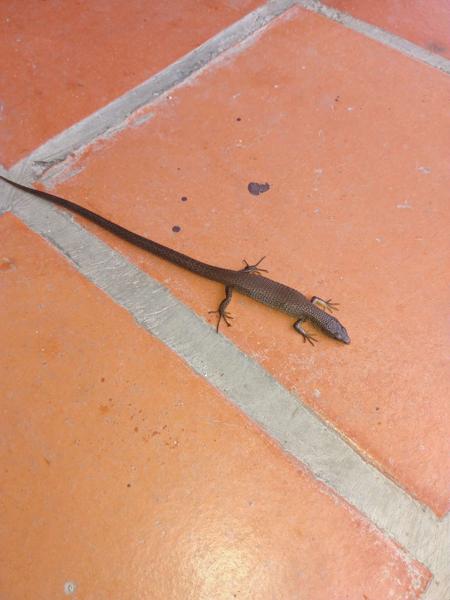
 Parker's Pholiodobolus
Macropholidus annectens

 Parker's Ground Snake
Atractus carrioni

Cuilanes of Hillis
Pholidobolus hillisi
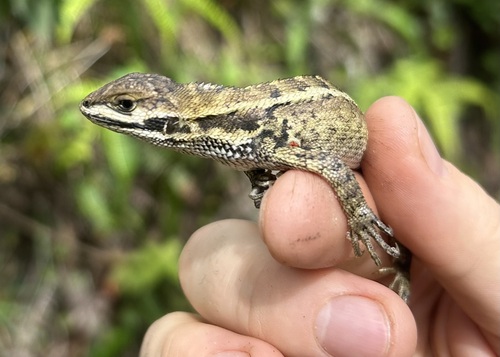
 Girard's Whorltail Iguana
Stenocercus ornatus

 Barba Amarilla
Bothrops atrox

 Black-and-white Worm Lizard
Amphisbaena fuliginosa
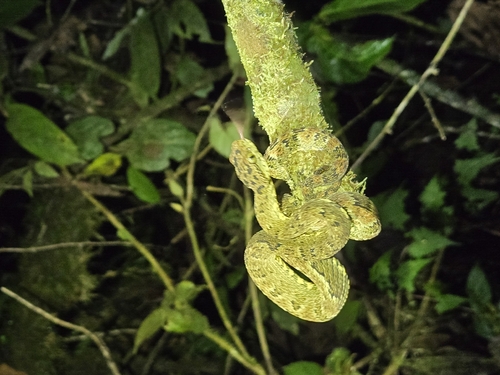
Andean Forest-pitviper
Bothrops pulcher

Lojan Lancehead
Bothrocophias lojanus

 Shieldhead Gecko
Gonatodes caudiscutatus
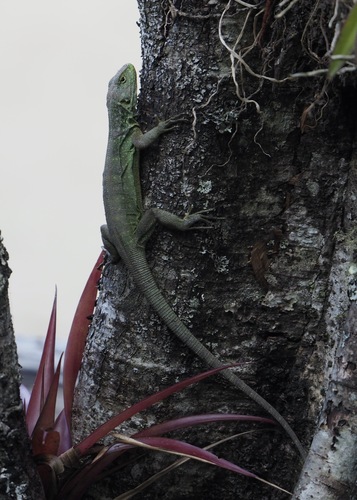
Patterned Whorltail Iguana
Stenocercus humeralis

Speckled Forest Pit Viper
Bothrops taeniatus

 Brown-eared Anole
Anolis fuscoauratus
📊 Most Spotted

 Red-skirted Tree Frog
Dendropsophus rhodopeplus

Lyman's Robber Frog
Pristimantis lymani
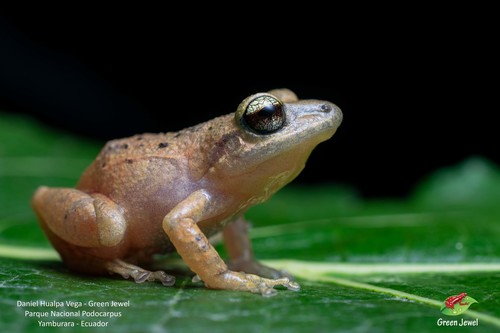
Cajamarca Robber Frog
Pristimantis cajamarcensis

 South American Common Toad
Rhinella margaritifera

Gray Toad
Rhinella poeppigii

Red Snouted Tree Frog
Scinax ruber

Espada's Robber Frog
Pristimantis galdi
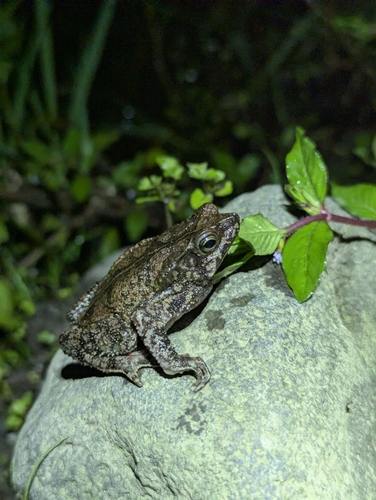
Sharp-nosed Forest Toad
Rhinella acutirostris
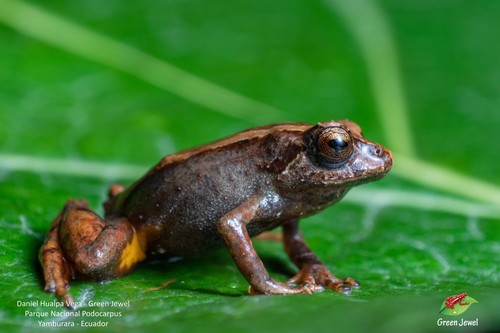
 Diminutive Rainfrog
Pristimantis andinognomus

 Günther's Banded Tree Frog
Boana fasciata

Tapichalaca Tree Frog
Hyloscirtus tapichalaca

 Cocha Chirping Frog
Adenomera andreae
Recent sightings in Podocarpus National Park
LIVEiNaturalistAnimal Events
1Andean Cock-of-the-Rock Lekking
Males gather at communal leks in the lower Bombuscaro forest to display; a lek is reported near the river trail inside the park.


2Golden-plumed Parakeet Flocks
Noisy flocks of this threatened parakeet forage in the upper cloud forest at Cajanuma, a documented tour target of the park.

3Boreal Migrant Songbird Season
North American warblers and tanagers overwinter in the park's cloud forests, joining mixed flocks during the northern winter.


Sighting Calendar
Average chance of spotting the park's most-spotted species, month by month
- 1Andean Cock-of-the-Rock Lekking
- 2Golden-plumed Parakeet Flocks
- 3Boreal Migrant Songbird Season
Sighting Zones
Warmer areas are where all species together are recorded most often.
Essentials
Climate
What visitors saw
We were lucky enough to see the Blackish Nightjar and Band-bellied Owl, which made for more unforgettable moments.
We also had fantastic views of an Andean Motmot and a lively mixed species flock contained a nice Spotted Tanager for us to look at.
Sometimes you might even see a mountain tapir (although we weren't lucky enough to see them). 560 birds also nest or migrate through the park and approximately 6% of the world's species can be found in the park while 40% of Ecuador's list of species can be seen within the park's terrain.
Quick answers
What animals can you see in Podocarpus National Park?
The most likely sightings are Marañón white-fronted capuchin (seen by about 40% of wildlife watchers), Collared Inca (seen by about 40% of wildlife watchers), Blue-and-white Swallow (seen by about 40% of wildlife watchers), Band-tailed Pigeon (seen by about 40% of wildlife watchers), Amethyst-throated Sunangel (seen by about 40% of wildlife watchers) — among 1523 recorded vertebrate species, based on citizen-science data from GBIF.
When is the best time to visit Podocarpus National Park for wildlife?
March has the highest combined sighting rate for the park's top species in our month-by-month GBIF data. The full sighting calendar on this page shows each species' best months.
Can you see Jocotoco Antpitta in Podocarpus National Park?
Yes — about 20% of wildlife watchers report a Jocotoco Antpitta sighting in Podocarpus National Park, based on 339 verified sightings from GBIF citizen-science data.
Can you see Andean Bear in Podocarpus National Park?
It's possible but not guaranteed: about 10% of wildlife watchers report a Andean Bear sighting in Podocarpus National Park, based on 3 verified sightings from GBIF citizen-science data. Sightings take luck and time in the field.
Can you see Bearded Guan in Podocarpus National Park?
Yes — about 30% of wildlife watchers report a Bearded Guan sighting in Podocarpus National Park, based on 645 verified sightings from GBIF citizen-science data.
Can you see Andean Tapir in Podocarpus National Park?
It's possible but not guaranteed: about 10% of wildlife watchers report a Andean Tapir sighting in Podocarpus National Park, based on 2 verified sightings from GBIF citizen-science data. Sightings take luck and time in the field.
Where Wildlife Score
How good is this park for seeing wildlife?Biodiversity
ExcellentHow rich is the wildlife?
Sighting
GoodHow likely to see animals?
Experience
GoodHow easy and pleasant is the visit?


.jpg/330px-Myrmoderus_eowilsoni_-_Cordillera_Azul_Antbird_-_male_(cropped).jpg)