
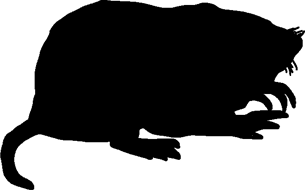
Northern Pocket Gopher
Thomomys talpoides
Silhouette: Xavier A. Jenkins · PhyloPic
- KingdomAnimalia (Animals)
- PhylumChordata (Chordates)
- ClassMammalia (Mammals)
- OrderRodentia (Rodents)
- FamilyGeomyidae (Pocket Gophers)
- GenusThomomys (Western Pocket Gophers)
- SpeciesThomomys talpoides (Northern Pocket Gopher)
About the Northern Pocket Gopher
The northern pocket gopher (Thomomys talpoides) is a small gopher species native to the western United States and the Canadian provinces of Alberta, Saskatchewan, British Columbia, and Manitoba. Northern pocket gophers have long rich brown to yellowish brown fur, paler below, with a black patch behind the ear. They weigh 60 to 160 grams (2.1 to 5.6 oz).
Their habitat consists usually of good soil in meadows or along streams; most often in mountains, but also in lowlands. Northern pocket gophers rarely appear above ground; when they do, they rarely venture more than 2.5 feet (0.76 m) from a burrow entrance. Underground, however, they often have tunnels that extend hundreds of feet where they live, store food, and give birth to their young.
According to an article published in the Journal of Mammalogy, there are both positive and negative impacts of burrowing by pocket gophers on the organisms around them. Burrowing and grazing have an impact on the plants and the herbivores that consume these plants, even though gophers do not directly interact with the insects in their habitats. Changes in the plants' composition can cause an increase... Wikipedia →
Recent sightings of Northern Pocket Gopher in Riding Mountain National Park
LIVEiNaturalistClosest Relatives at Riding Mountain National Park

 American Beaver
Castor canadensis

 American Red Squirrel
Tamiasciurus hudsonicus

 Muskrat
Ondatra zibethicus

 Franklin's Ground Squirrel
Poliocitellus franklinii

 Woodchuck
Marmota monax
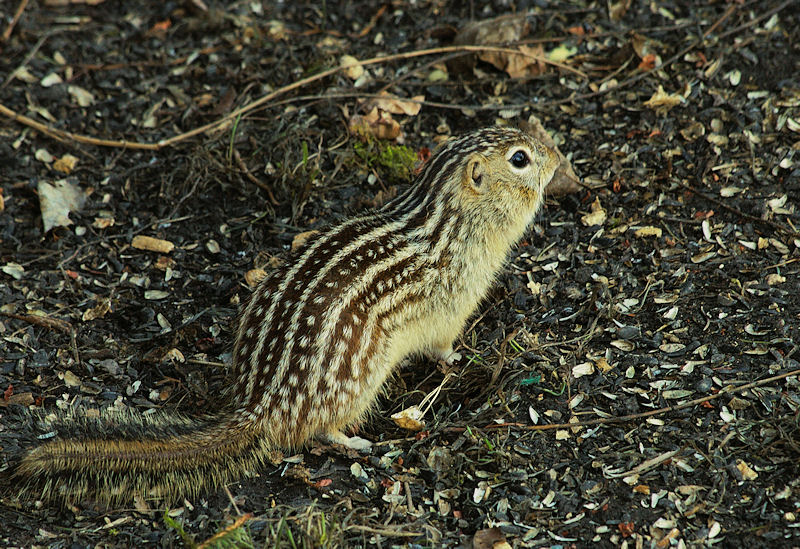
 Thirteen-lined Ground Squirrel
Ictidomys tridecemlineatus

 Eastern Chipmunk
Tamias striatus

 Southern Red-backed Vole
Myodes gapperi

Least Chipmunk
Tamias minimus
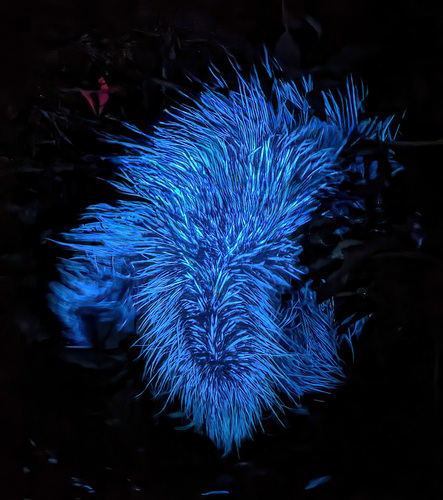
 Quiller
Erethizon dorsatus

 Meadow Vole
Microtus pennsylvanicus

 Deer Mouse
Peromyscus maniculatus
Global Distribution
Warmer areas are where this animal is recorded most often.
Parks Where Found
| # | Park | Country | Daily sighting probability |
|---|---|---|---|
| 1 | Grand Teton National Park | 🇺🇸 United States | |
| 2 | Yellowstone National Park | 🇺🇸 United States | |
| 3 | Rocky Mountain National Park | 🇺🇸 United States | |
| 4 | Elk Island National Park | 🇨🇦 Canada | |
| 5 | Riding Mountain National Park | 🇨🇦 Canada |