

Coastal Sipo
Chironius foveatus
Silhouette: Alex Slavenko · PhyloPic
- KingdomAnimalia (Animals)
- PhylumChordata (Chordates)
- ClassSquamata
- FamilyColubridae (Colubrid Snakes)
- GenusChironius (Sipos)
- SpeciesChironius foveatus (Coastal Sipo)
About the Coastal Sipo
Chironius foveatus, the South American or coastal sipo, is a semi-arboreal (Harrington et al. 2018) species of non-venomous snake in the family Colubridae, found in Brazil. It primarily inhabits the southern and eastern coastal regions of the country, such as the states of Bahia, Santa Catarina, Espírito Santo and Rio de Janeiro, as well as the municipalities of Rio Fortuna and Ilhéus. It has also been observed on Ilha Grande.
Local Portuguese names include cipó, cobra-cipó, cobra-cipó verde, cobra verde, caninana, caninana-verde-de-cabeça-preta, cobra-espada and serra-velha (English: 'vine', 'vine-snake', 'green vine-snake', 'green snake', 'cane', 'black-headed green cane', 'sword-snake' and 'mountain-man'). Wikipedia →
Recent sightings of Coastal Sipo in Tijuca National Park
LIVEiNaturalistClosest Relatives at Tijuca National Park

 Brown Sipo
Chironius fuscus

Two-headed Sipo
Chironius bicarinatus

Linnaeus' Sipo
Chironius exoletus
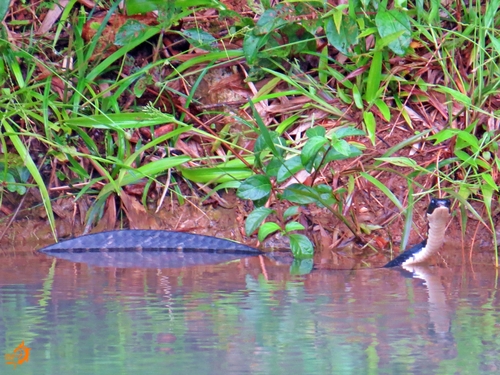
Brazilian Sipo
Chironius laevicollis

Military Ground Snake
Erythrolamprus miliaris

Head-striped Leaf-litter Snake
Echinanthera cephalostriata
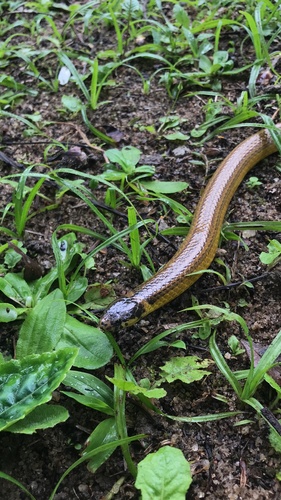
Raddi's Lizard-eating Snake
Elapomorphus quinquelineatus

Neuwied's False Fer-de-lance
Xenodon neuwiedii
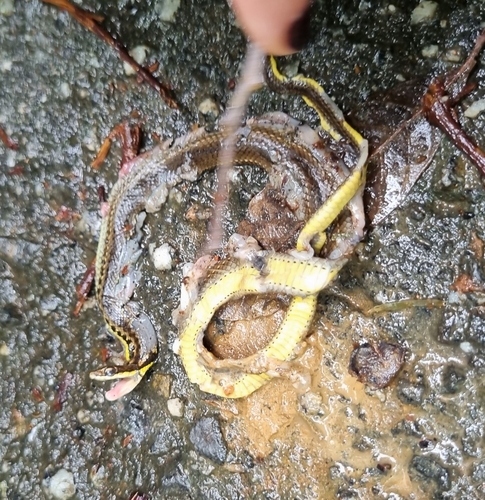
Cobra-do-folhiço
Echinanthera melanostigma

Neotropical Snail-eater
Dipsas indica

Amazon Puffing Snake
Spilotes sulphureus

Tropical Flat Snake
Siphlophis compressus
Global Distribution
Warmer areas are where this animal is recorded most often.
Parks Where Found
| # | Park | Country | Daily sighting probability |
|---|---|---|---|
| 1 | Tijuca National Park | 🇧🇷 Brazil | |
| 2 | Serra dos Órgãos National Park | 🇧🇷 Brazil | |
| 3 | Itatiaia National Park | 🇧🇷 Brazil |
Quick answers
What are the chances of seeing a Coastal Sipo in Tijuca National Park?
About 10% of wildlife watchers report a Coastal Sipo sighting in Tijuca National Park, based on 9 verified sightings from GBIF citizen-science data.
When is the best time to see Coastal Sipo in Tijuca National Park?
November has the highest sighting rate for Coastal Sipo in Tijuca National Park in our monthly data.