Wadden Sea National Park
🇩🇪 Germany
🦭 Germany's Best Seal Haul-OutsWadden Sea National Park sits along the northern coast of Germany, protecting a vast coastal region of mudflats, shallow waters, and tidal channels. Unlike traditional terrestrial reserves, this dynamic marine environment constantly transforms as the tides rise and fall twice daily across the flat shores.
53.680° N 6.801° E
Wildlife
⭐ Iconic Species
 ★
★  European Oystercatcher
Haematopus ostralegus
 ★
★  Barnacle Goose
Branta leucopsis
 ★
★  Harbor Seal
Phoca vitulina
 ★
★  Lesser Black-backed Gull
Larus fuscus
📊 Most Spotted

 Carrion Crow
Corvus corone

 Mallard
Anas platyrhynchos

 Wood Pigeon
Columba palumbus

 Black-headed Gull
Chroicocephalus ridibundus

 Greylag Goose
Anser anser

 Eurasian Blackbird
Turdus merula

 Great Cormorant
Phalacrocorax carbo

European Herring Gull
Larus argentatus

 European Starling
Sturnus vulgaris

 Great Tit
Parus major

 Grey Heron
Ardea cinerea

 Chaffinch
Fringilla coelebs
⭐ Iconic Species
📊 Most Spotted

 Brown Hare
Lepus europaeus

 Western Roe Deer
Capreolus capreolus

 Gray Seal
Halichoerus grypus

 European Rabbit
Oryctolagus cuniculus

 Common Hedgehog
Erinaceus europaeus

 Eurasian Red Squirrel
Sciurus vulgaris

 Coypu
Coypu
Myocastor coypus

 European Mole
Talpa europaea

 Muskrat
Ondatra zibethicus

 Red Fox
Vulpes vulpes

 Common Porpoise
Phocoena phocoena

 Fallow Deer
Dama dama
⭐ Iconic Species
★ European Oystercatcher
Haematopus ostralegus
★ Barnacle Goose
Branta leucopsis
★ Lesser Black-backed Gull
Larus fuscus
📊 Most Spotted
Carrion Crow
Corvus corone
Mallard
Anas platyrhynchos
Wood Pigeon
Columba palumbus
Black-headed Gull
Chroicocephalus ridibundus
Greylag Goose
Anser anser
Eurasian Blackbird
Turdus merula
Great Cormorant
Phalacrocorax carbo
European Herring Gull
Larus argentatus
European Starling
Sturnus vulgaris
Great Tit
Parus major
Grey Heron
Ardea cinerea
Chaffinch
Fringilla coelebs
📊 Most Spotted

 Viviparous Lizard
Zootoca vivipara

 Slow Worm
Anguis fragilis

 Adder
Adder
Vipera berus

 grass snake
Natrix natrix

 Pond Slider
Trachemys scripta

 Sand Lizard
Lacerta agilis

 Common Wall Lizard
Podarcis muralis

barred grass snake
Natrix helvetica

 Ouachita Map Turtle
Graptemys ouachitensis

 Smooth Snake
Coronella austriaca

 River Cooter
Pseudemys concinna
📊 Most Spotted

 European Toad
Bufo bufo

 European Common Frog
Rana temporaria

 Smooth Newt
Lissotriton vulgaris
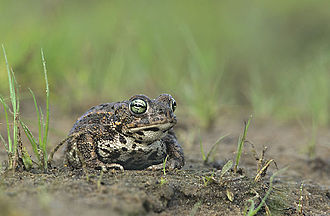
 Natterjack Toad
Epidalea calamita

 Moor Frog
Rana arvalis

 Alpine Newt
Ichthyosaura alpestris

 Fire Salamander
Salamandra salamandra

Pool Frog
Pelophylax lessonae

 Common Spadefoot
Pelobates fuscus

 European Tree Frog
Hyla arborea

 Marsh Frog
Pelophylax ridibundus

 Great Crested Newt
Triturus cristatus
Recent sightings in Wadden Sea National Park
LIVEiNaturalistAnimal Events
1Migratory Bird Spectacle
Over 10 million migratory birds pass through or winter in the Wadden Sea, including species like the Eurasian Oystercatcher and Barnacle Goose, using the tidal flats as a vital stopover.


2Seal Haul-out and Pupping
Harbor Seals and Gray Seals gather on sandbanks during low tide to rest, breed, and nurse pups. The Wadden Sea hosts one of the largest seal colonies in Europe.


3Tidal Flat Foraging Festival
Autumn brings flocks of waders and waterfowl to the Wadden Sea to fatten up on abundant invertebrates and plant material before migration. The spectacle is a hallmark of the park's ecological richness.


Sighting Calendar
Average chance of spotting the park's most-spotted species, month by month
- 1Migratory Bird Spectacle
- 2Seal Haul-out and Pupping
- 3Tidal Flat Foraging Festival
Sighting Zones
Warmer areas are where all species together are recorded most often.
Essentials
Climate
What visitors saw
Quick answers
What animals can you see in Wadden Sea National Park?
The most likely sightings are Carrion Crow (seen by about 70% of wildlife watchers), Mallard (seen by about 70% of wildlife watchers), Wood Pigeon (seen by about 60% of wildlife watchers), Black-headed Gull (seen by about 60% of wildlife watchers), Greylag Goose (seen by about 60% of wildlife watchers) — among 923 recorded vertebrate species, based on citizen-science data from GBIF.
When is the best time to visit Wadden Sea National Park for wildlife?
October has the highest combined sighting rate for the park's top species in our month-by-month GBIF data. The full sighting calendar on this page shows each species' best months.
Can you see European Oystercatcher in Wadden Sea National Park?
Yes — about 50% of wildlife watchers report a European Oystercatcher sighting in Wadden Sea National Park, based on 12,291 verified sightings from GBIF citizen-science data.
Can you see Barnacle Goose in Wadden Sea National Park?
Yes — about 30% of wildlife watchers report a Barnacle Goose sighting in Wadden Sea National Park, based on 6,529 verified sightings from GBIF citizen-science data.
Can you see Harbor Seal in Wadden Sea National Park?
Yes — about 40% of wildlife watchers report a Harbor Seal sighting in Wadden Sea National Park, based on 1,142 verified sightings from GBIF citizen-science data.
Can you see Lesser Black-backed Gull in Wadden Sea National Park?
Yes — about 30% of wildlife watchers report a Lesser Black-backed Gull sighting in Wadden Sea National Park, based on 6,479 verified sightings from GBIF citizen-science data.
Where Wildlife Score
How good is this park for seeing wildlife?Biodiversity
ExcellentHow rich is the wildlife?
Sighting
GoodHow likely to see animals?
Experience
Very goodHow easy and pleasant is the visit?
Explore Other Parks
 📍 660 km 🐆 Lynx Country in the Bohemian Forest
 Bavarian Forest National Park
 📍 709 km 🐦 European Robin Melodies Echo Snowdonia Peaks
 Snowdonia National Park
📍 755 km 🐿️ Red Squirrels in Caledonian Pinewood Cairngorms National Park
 📍 834 km 🐿️ Watch Alpine Marmots Roam Alpine Meadows