
Black-headed Cuckooshrike
Coracina melanoptera
Silhouette: PhyloPic · PhyloPic
- KingdomAnimalia (Animals)
- PhylumChordata (Chordates)
- ClassAves (Birds)
- OrderPasseriformes (Perching Birds)
- FamilyCampephagidae (Cuckooshrikes)
- GenusCoracina (Typical Cuckooshrikes)
- SpeciesCoracina melanoptera (Black-headed Cuckooshrike)
About the Black-headed Cuckooshrike
The black-headed cuckooshrike (Lalage melanoptera) is a species of cuckooshrike found in the Indian subcontinent and Southeast Asia. The Black-headed Cuckooshrike is a 18-20 cm slender bird found in the Indian subcontinent with distinct sexual dimorphism. Males feature a dark slaty-grey hood, neck, and upper breast, contrasting with a pale grey back and white belly. They have blackish wings with grey edges and white-tipped tail feathers. The females are duller, with brownish-grey upperparts, a whitish supercilium (eyebrow), and heavily barred underparts with a dark grey bill.
This is a resident and partially bird migratory that is found across the Indian subcontinent, including India, Bangladesh, Sri Lanka, Nepal, and Bhutan, extending to Myanmar. It inhabits open, dry-deciduous, or semi-evergreen forests, secondary growth, bamboo patches, and, frequently, urban gardens, orchards, and agricultural plantations up to 2,100 meters, typically preferring lower altitudes. Primarily distributed across India (from the Himalayan foothills in the north to the peninsula, including Rajasthan, Gujarat, Maharashtra, and Kerala), with breeding populations... Wikipedia →
Recent sightings of Black-headed Cuckooshrike in Wilpattu National Park
LIVEiNaturalistClosest Relatives at Wilpattu National Park

 Large Cuckoo-shrike
Coracina macei

Small Minivet
Pericrocotus cinnamomeus

Orange Minivet
Pericrocotus flammeus

 Indian Robin
Saxicoloides fulicatus

Oriental Magpie-Robin
Copsychus saularis

 Black-hooded Oriole
Oriolus xanthornus

 Indian Paradise-Flycatcher
Terpsiphone paradisi

 White-browed Bulbul
Pycnonotus luteolus
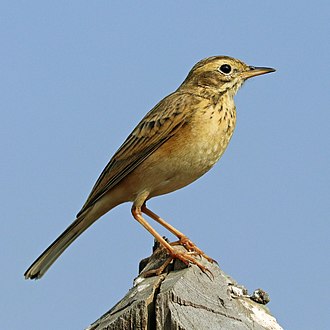
 Oriental Pipit
Anthus rufulus

 Common Iora
Aegithina tiphia

Purple-rumped Sunbird
Leptocoma zeylonica

 Yellow-billed Babbler
Turdoides affinis
Global Distribution
Warmer areas are where this animal is recorded most often.
Parks Where Found
| # | Park | Country | Daily sighting probability |
|---|---|---|---|
| 1 | Mudumalai National Park | 🇮🇳 India | |
| 2 | Sinharaja Forest Reserve | 🇱🇰 Sri Lanka | |
| 3 | Wilpattu National Park | 🇱🇰 Sri Lanka | |
| 4 | Sundarbans National Park | 🇮🇳 India | |
| 5 | Yala National Park | 🇱🇰 Sri Lanka | |
| 6 | Minneriya National Park | 🇱🇰 Sri Lanka | |
| 7 | Bandipur National Park | 🇮🇳 India | |
| 8 | Nagarhole National Park | 🇮🇳 India | |
| 9 | Bandhavgarh National Park | 🇮🇳 India | |
| 10 | Kanha National Park | 🇮🇳 India | |
| 11 | Satpura National Park | 🇮🇳 India | |
| 12 | Ranthambore National Park | 🇮🇳 India | |
| 13 | Periyar National Park | 🇮🇳 India | |
| 14 | Jim Corbett National Park | 🇮🇳 India | |
| 15 | Chitwan National Park | 🇳🇵 Nepal | |
| 16 | Gir National Park | 🇮🇳 India | |
| 17 | Eravikulam National Park | 🇮🇳 India | |
| 18 | Horton Plains National Park | 🇱🇰 Sri Lanka | |
| 19 | Royal Manas National Park | 🇧🇹 Bhutan |
Quick answers
What are the chances of seeing a Black-headed Cuckooshrike in Wilpattu National Park?
About 10% of wildlife watchers report a Black-headed Cuckooshrike sighting in Wilpattu National Park, based on 55 verified sightings from GBIF citizen-science data.
When is the best time to see Black-headed Cuckooshrike in Wilpattu National Park?
April has the highest sighting rate for Black-headed Cuckooshrike in Wilpattu National Park in our monthly data.