Wrangell-St. Elias National Park
🇺🇸 United States
🐻 Watch Brown Bears Devour SalmonWrangell-St. Elias National Park is a massive protected mountain and coastal region in southeastern Alaska, defined by towering glacial peaks, braided rivers, and sweeping boreal forests. It stands apart through its sheer scale and raw, roadless expanse, uniting alpine heights with a wild Pacific coastline.
61.530° N 142.921° W
Wildlife
⭐ Iconic Species


📊 Most Spotted

 American Robin
Turdus migratorius

 Moose
Moose
Alces americanus

 Common Raven
Corvus corax

 Harbor Seal
Phoca vitulina

 Dark-eyed Junco
Junco hyemalis

 Bald Eagle
Haliaeetus leucocephalus

 Mallard
Anas platyrhynchos

 Yellow-rumped Warbler
Setophaga coronata

 American Red Squirrel
Tamiasciurus hudsonicus

 American Black Bear
Ursus americanus

 Ruby-crowned Kinglet
Regulus calendula

 Orange-crowned Warbler
Leiothlypis celata
⭐ Iconic Species
📊 Most Spotted
Moose
Alces americanus
Harbor Seal
Phoca vitulina
American Red Squirrel
Tamiasciurus hudsonicus
American Black Bear
Ursus americanus

 Arctic Ground Squirrel
Urocitellus parryii

 Sea Otter
Enhydra lutris

 Northern Sea Lion
Eumetopias jubatus

 Snowshoe Hare
Lepus americanus

 Collared Pika
Ochotona collaris
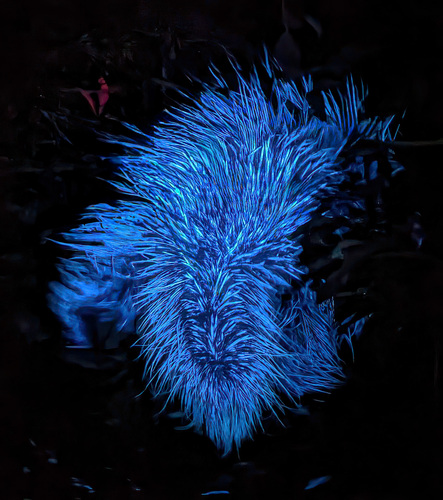
 Quiller
Erethizon dorsatus

 Gray Wolf
Canis lupus

 American Beaver
Castor canadensis
📊 Most Spotted
American Robin
Turdus migratorius
Common Raven
Corvus corax
Dark-eyed Junco
Junco hyemalis
Bald Eagle
Haliaeetus leucocephalus
Mallard
Anas platyrhynchos
Yellow-rumped Warbler
Setophaga coronata
Ruby-crowned Kinglet
Regulus calendula
Orange-crowned Warbler
Leiothlypis celata

 Wilson's Snipe
Gallinago delicata

Common Teal
Anas crecca

 White-crowned Sparrow
Zonotrichia leucophrys

 Gray Jay
Perisoreus canadensis
📊 Most Spotted


Recent sightings in Wrangell-St. Elias National Park
LIVEiNaturalistAnimal Events
3Brown Bear Salmon Feeding Frenzy
Brown bears congregate at rivers and streams to catch spawning salmon, creating dramatic wildlife spectacles and unparalleled photography opportunities.
1Coastal Seal and Otter Foraging
Harbor seals and sea otters gather along the park’s coastline to feed on fish and shellfish, creating bustling marine activity visible from boat tours.
2Subarctic Ground Squirrel and Quiller Emergence
After long hibernation, Arctic ground squirrels and quillers re-emerge to forage, offering rare glimpses of their frantic spring activity in alpine meadows.
Sighting Calendar
Average chance of spotting the park's most-spotted species, month by month
- 1Coastal Seal and Otter Foraging
- 2Subarctic Ground Squirrel and Quiller Emergence
- 3Brown Bear Salmon Feeding Frenzy
Sighting Zones
Warmer areas are where all species together are recorded most often.
Essentials
Climate
What visitors saw
On the drive back, we saw our first grizzlies of Alaska (all other bear sightings up to now had been in Canada).
On to upper Skolai Lake, the face of Russell Glacier to this very cool little plateau I call “Great Bear Valley” (because we see a bear or bears there every single time we backpack it), across Russell Glacier.
Quick answers
What animals can you see in Wrangell-St. Elias National Park?
The most likely sightings are American Robin (seen by about 60% of wildlife watchers), Moose (seen by about 50% of wildlife watchers), Brown Bear (seen by about 50% of wildlife watchers), Common Raven (seen by about 50% of wildlife watchers), Harbor Seal (seen by about 50% of wildlife watchers) — among 445 recorded vertebrate species, based on citizen-science data from GBIF.
When is the best time to visit Wrangell-St. Elias National Park for wildlife?
June has the highest combined sighting rate for the park's top species in our month-by-month GBIF data. The full sighting calendar on this page shows each species' best months.
Can you see Brown Bear in Wrangell-St. Elias National Park?
Yes — about 50% of wildlife watchers report a Brown Bear sighting in Wrangell-St. Elias National Park, based on 57 verified sightings from GBIF citizen-science data.
Can you see Caribou in Wrangell-St. Elias National Park?
Yes — about 30% of wildlife watchers report a Caribou sighting in Wrangell-St. Elias National Park, based on 12 verified sightings from GBIF citizen-science data.
Can you see Dall Sheep in Wrangell-St. Elias National Park?
Yes — about 20% of wildlife watchers report a Dall Sheep sighting in Wrangell-St. Elias National Park, based on 8 verified sightings from GBIF citizen-science data.
Where Wildlife Score
How good is this park for seeing wildlife?Biodiversity
ExcellentHow rich is the wildlife?
Sighting
GoodHow likely to see animals?
Experience
ExcellentHow easy and pleasant is the visit?

.jpg/330px-Katmai_Flyover_11_7_17_(24700362128).jpg)