



Eastern Chipmunk
Tamias striatus
Silhouette: Chloé Schmidt · PhyloPic
- KingdomAnimalia (Animals)
- PhylumChordata (Chordates)
- ClassMammalia (Mammals)
- OrderRodentia (Rodents)
- FamilySciuridae (Squirrels)
- GenusTamias (Eastern Chipmunks)
- SpeciesTamias striatus (Eastern Chipmunk)
About the Eastern Chipmunk
The eastern chipmunk (Tamias striatus) is a chipmunk species found in eastern North America. It is the only living member of the genus Tamias. The name "chipmunk" probably comes from the Ojibwe word ᐊᒋᑕᒨ ajidamoo (or possibly ajidamoonh, the same word in the Ottawa dialect of Ojibwe), which translates literally as "one who descends trees headlong." First described by Mark Catesby in his 1743 The Natural History of Carolina, Florida, and the Bahama Islands, the chipmunk was eventually classified as Sciurus striatus by Linnaeus, meaning "striped squirrel" in Latin. The scientific name was changed to Tamias striatus, meaning "striped steward", by Johann Illiger in 1811.
A small species, it reaches about 30 cm (12 in) in length including the tail, and a weight of 66–150 g (2.3–5.3 oz). It has reddish-brown fur on its upper body and five dark brown stripes contrasting with light brown stripes along its back, ending in a dark tail. It has lighter fur on the lower part of its body. It has a tawny stripe that runs from its whiskers to below its ears, and light stripes over its eyes. It has two fewer teeth than other chipmunks and four toes each on the front... Wikipedia →
Recent sightings of Eastern Chipmunk in Acadia National Park
LIVEiNaturalistClosest Relatives at Acadia National Park

 American Red Squirrel
Tamiasciurus hudsonicus

 Eastern Gray Squirrel
Sciurus carolinensis

 Woodchuck
Marmota monax

 Northern Flying Squirrel
Glaucomys sabrinus
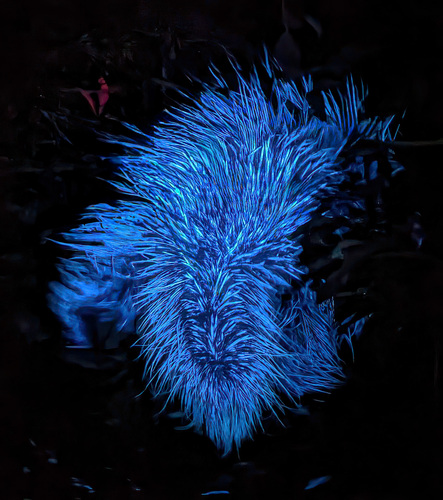
 Quiller
Erethizon dorsatus

 American Beaver
Castor canadensis

 Meadow Vole
Microtus pennsylvanicus

 Muskrat
Ondatra zibethicus

 Deer Mouse
Peromyscus maniculatus

White-footed Mouse
Peromyscus leucopus

 Southern Red-backed Vole
Myodes gapperi
Global Distribution
Warmer areas are where this animal is recorded most often.
Parks Where Found
| # | Park | Country | Daily sighting probability |
|---|---|---|---|
| 1 | Cape Breton Highlands National Park | 🇨🇦 Canada | |
| 2 | Acadia National Park | 🇺🇸 United States | |
| 3 | Shenandoah National Park | 🇺🇸 United States | |
| 4 | Gros Morne National Park | 🇨🇦 Canada | |
| 5 | Isle Royale National Park | 🇺🇸 United States | |
| 6 | Point Pelee National Park | 🇨🇦 Canada |
Quick answers
What are the chances of seeing a Eastern Chipmunk in Acadia National Park?
About 30% of wildlife watchers report a Eastern Chipmunk sighting in Acadia National Park, based on 143 verified sightings from GBIF citizen-science data.
When is the best time to see Eastern Chipmunk in Acadia National Park?
March has the highest sighting rate for Eastern Chipmunk in Acadia National Park in our monthly data.