Braulio Carrillo National Park
🇨🇷 Costa Rica
🐦 Hummingbird & Toucan Cloud ForestSpanning from Caribbean lowlands to the summit of Barva Volcano at 2,906 meters, Braulio Carrillo protects 47,580 hectares of virtually untouched primary forest — more than 90% remains pristine. Over 530 bird species inhabit its misty canopy, including the resplendent quetzal and the endangered bare-necked umbrellabird.
10.174° N 84.053° W
Wildlife
⭐ Iconic Species
 ★
★  Hoffmann's Two-toed Sloth
Choloepus hoffmanni
 ★
★  Mantled Howler Monkey
Alouatta palliata
 ★
★  Strawberry Poison-dart Frog
Oophaga pumilio
 ★
★  Red-eyed Treefrog
Agalychnis callidryas
📊 Most Spotted

Green and Black Dart-poison Frog
Dendrobates auratus

 Clay-colored Thrush
Turdus grayi

 Black-mandibled Toucan
Ramphastos ambiguus

 Scarlet-rumped Tanager
Ramphocelus passerinii

 Rufous-tailed Hummingbird
Amazilia tzacatl

 Middle American Ameiva
Holcosus festivus

 Border Anole
Anolis limifrons

 Leaf Litter Toad
Rhaebo haematiticus

 Great Kiskadee
Pitangus sulphuratus

 Fer-de-lance
Bothrops asper

Blue-gray Tanager
Thraupis episcopus

 Green Iguana
Iguana iguana
⭐ Iconic Species
📊 Most Spotted

 White Bat
Ectophylla alba

 White-nosed Coati
Nasua narica

 Brown-throated Sloth
Bradypus variegatus

 Collared Peccary
Pecari tajacu

 Central American White-faced Capuchin
Cebus imitator

 Baird's Tapir
Tapirella bairdii

 Northern Tamandua
Tamandua mexicana

 Variegated Squirrel
Sciurus variegatoides

 Central American Spider Monkey
Ateles geoffroyi

 Central American Agouti
Dasyprocta punctata

 Mexican Hairy Dwarf Porcupine
Sphiggurus mexicanus

 Common Raccoon
Procyon lotor
📊 Most Spotted
Clay-colored Thrush
Turdus grayi
Black-mandibled Toucan
Ramphastos ambiguus
Scarlet-rumped Tanager
Ramphocelus passerinii
Rufous-tailed Hummingbird
Amazilia tzacatl
Great Kiskadee
Pitangus sulphuratus
Blue-gray Tanager
Thraupis episcopus

Montezuma Oropendola
Psarocolius montezuma

 Black Vulture
Coragyps atratus

 Black-cheeked Woodpecker
Melanerpes pucherani

Olive-backed Euphonia
Euphonia gouldi

Golden-hooded Tanager
Stilpnia larvata

 Tropical Kingbird
Tyrannus melancholicus
📊 Most Spotted
Middle American Ameiva
Holcosus festivus
Border Anole
Anolis limifrons
Fer-de-lance
Bothrops asper
Green Iguana
Iguana iguana

 Basiisk Verde
Basiliscus plumifrons

 Humble Anole
Anolis humilis

Helmeted Iguana
Corytophanes cristatus

 Common Caiman
Caiman crocodilus

 Blunthead Tree Snake
Imantodes cenchoa

 White-throated Gecko
Gonatodes albogularis

Brown Basilisk
Basiliscus vittatus

Neotropical Green Anole
Anolis biporcatus
⭐ Iconic Species
📊 Most Spotted
Green and Black Dart-poison Frog
Dendrobates auratus
Leaf Litter Toad
Rhaebo haematiticus

 Savage's Thin-toed Frog
Leptodactylus savagei

 Atlantic Broad-headed Litter Frog
Craugastor megacephalus

 Warszewitsch's Frog
Lithobates warszewitschii

 Red-webbed Tree Frog
Boana rufitela

 Masked Tree Frog
Smilisca phaeota

Fitzinger's Robber Frog
Craugastor fitzingeri

 Giant Marine Toad
Rhinella horribilis

 Sipurio Snouted Treefrog
Scinax elaeochroa

 Tink Frog
Diasporus diastema

Harlequin Treefrog
Dendropsophus ebraccatus
Recent sightings in Braulio Carrillo National Park
LIVEiNaturalistAnimal Events
1Great Green Macaw Nesting Season
During nesting season, pairs of the endangered Great Green Macaw seek out deep cavities in old mountain almond trees to raise their chicks, filling the rainforest canopy with their raucous calls and flashes of emerald and scarlet plumage. Watching these giant parrots shuttle to and from a nest hole is one of the park's rarest wildlife spectacles.


2Poison Frog & Rainy-Season Amphibian Breeding
When the rains arrive, the forest floor comes alive with breeding amphibians: tiny Green and Black Poison Dart Frogs guard their eggs and ferry tadpoles on their backs, while Red-eyed Leaf Frogs glide between branches to lay clutches on leaves overhanging pools. Their nightly chorus and jewel-bright colors make this the best time to spot them.

3Sloth Activity Peak
Both of Costa Rica's sloths share these forests — the nocturnal Hoffmann's Two-toed Sloth and the day-active Brown-throated Sloth — and feeding activity peaks as they move slowly through the canopy to browse on tender leaves. Their sluggish climbs and occasional descents to the ground make them easier to pick out among the branches.
Sighting Calendar
Average chance of spotting the park's most-spotted species, month by month
- 1Great Green Macaw Nesting Season
- 2Poison Frog & Rainy-Season Amphibian Breeding
- 3Sloth Activity Peak
Sighting Zones
Warmer areas are where all species together are recorded most often.
Essentials
Climate
What visitors saw
We're talking about a place where you might spot a jaguar lounging on a branch (if you're super lucky) or watch dozens of colorful toucans soaring overhead.
We then proceeded to the Selva Verde private rainforest where we saw a sloth, frogs, several types of butterflies and birds, including the humming bird.
Quick answers
What animals can you see in Braulio Carrillo National Park?
The most likely sightings are Strawberry Poison-dart Frog (seen by about 80% of wildlife watchers), Green and Black Dart-poison Frog (seen by about 70% of wildlife watchers), Red-eyed Treefrog (seen by about 70% of wildlife watchers), Clay-colored Thrush (seen by about 60% of wildlife watchers), Black-mandibled Toucan (seen by about 60% of wildlife watchers) — among 1412 recorded vertebrate species, based on citizen-science data from GBIF.
When is the best time to visit Braulio Carrillo National Park for wildlife?
October has the highest combined sighting rate for the park's top species in our month-by-month GBIF data. The full sighting calendar on this page shows each species' best months.
Can you see Hoffmann's Two-toed Sloth in Braulio Carrillo National Park?
Yes — about 40% of wildlife watchers report a Hoffmann's Two-toed Sloth sighting in Braulio Carrillo National Park, based on 118 verified sightings from GBIF citizen-science data.
Can you see Mantled Howler Monkey in Braulio Carrillo National Park?
Yes — about 50% of wildlife watchers report a Mantled Howler Monkey sighting in Braulio Carrillo National Park, based on 188 verified sightings from GBIF citizen-science data.
Can you see Strawberry Poison-dart Frog in Braulio Carrillo National Park?
Yes — about 80% of wildlife watchers report a Strawberry Poison-dart Frog sighting in Braulio Carrillo National Park, based on 487 verified sightings from GBIF citizen-science data.
Can you see Red-eyed Treefrog in Braulio Carrillo National Park?
Yes — about 70% of wildlife watchers report a Red-eyed Treefrog sighting in Braulio Carrillo National Park, based on 385 verified sightings from GBIF citizen-science data.
Where Wildlife Score
How good is this park for seeing wildlife?Biodiversity
ExcellentHow rich is the wildlife?
Sighting
ExcellentHow likely to see animals?
Experience
GoodHow easy and pleasant is the visit?
Explore Other Parks
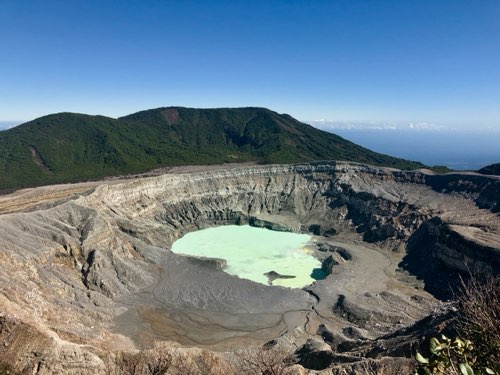 📍 19 km 🐦 Highland Hummingbird Cloud Forest
 Poás Volcano National Park
 📍 31 km 🐦 Highland Hummingbirds & Quetzals
 Irazú Volcano National Park
 📍 64 km 🐦 Fiery-throated Hummingbirds in Rainy Highlands
 Tapantí-Macizo de la Muerte National Park
 📍 69 km 🐦 Quetzals and Talamanca Hummingbirds