


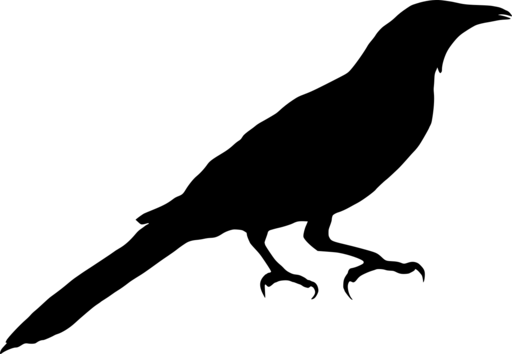
Yellow Wattlebird
Anthochaera paradoxa
Silhouette: James Klarevas · PhyloPic
- KingdomAnimalia (Animals)
- PhylumChordata (Chordates)
- ClassAves (Birds)
- OrderPasseriformes (Perching Birds)
- FamilyMeliphagidae (Honeyeaters)
- GenusAnthochaera (Wattlebirds)
- SpeciesAnthochaera paradoxa (Yellow Wattlebird)
About the Yellow Wattlebird
The yellow wattlebird (Anthochaera paradoxa) is a species of bird in the honeyeater family Meliphagidae. The yellow wattlebird was described by French zoologist François Marie Daudin as Corvus paradoxus in 1800. The generic name Anthochaera derives from the Ancient Greek anthos 'flower, bloom' and khairō 'enjoy'. The specific epithet paradoxa derives from the Ancient Greek paradoxos meaning 'strange, extraordinary'.
"Yellow wattlebird" has been designated as the official common name for the species by the International Ornithologists' Union (IOC). Other common names include the "long wattlebird" or "Tasmanian wattlebird". The yellow wattlebird is the largest of the honeyeaters, and is endemic to Tasmania. They are usually 37.5–45 centimetres (14.8–17.7 in) long. Body mass in males averages 168 g (5.9 oz) and in females averages 123 g (4.3 oz), with the largest males weighing up to 260 g (9.2 oz). They are named for the wattles hanging from the cheeks. Yellow wattlebirds are slim birds with a short, strong bill. They have a white face and black-streaked crown. They also have a long, pendulous yellow-orange wattle. The wattle becomes brighter during... Wikipedia →
Recent sightings of Yellow Wattlebird in Cradle Mountain-Lake St Clair National Park
LIVEiNaturalistClosest Relatives at Cradle Mountain-Lake St Clair National Park

 Little Wattlebird
Anthochaera chrysoptera

 Crescent Honeyeater
Phylidonyris pyrrhopterus

Yellow-throated Honeyeater
Nesoptilotis flavicollis

Strong-billed Honeyeater
Melithreptus validirostris

 Eastern Spinebill
Acanthorhynchus tenuirostris

Black-headed Honeyeater
Melithreptus affinis

New Holland Honeyeater
Phylidonyris novaehollandiae

Noisy Miner
Manorina melanocephala

 Black Currawong
Strepera fuliginosa

 Tasmanian Scrubwren
Sericornis humilis

 Tasmanian Thornbill
Acanthiza ewingii

 Welcome Swallow
Hirundo neoxena
Global Distribution
Warmer areas are where this animal is recorded most often.
Parks Where Found
| # | Park | Country | Daily sighting probability |
|---|---|---|---|
| 1 | Maria Island National Park | 🇦🇺 Australia | |
| 2 | Cradle Mountain-Lake St Clair National Park | 🇦🇺 Australia | |
| 3 | Freycinet National Park | 🇦🇺 Australia |
Quick answers
What are the chances of seeing a Yellow Wattlebird in Cradle Mountain-Lake St Clair National Park?
About 70% of wildlife watchers report a Yellow Wattlebird sighting in Cradle Mountain-Lake St Clair National Park, based on 399 verified sightings from GBIF citizen-science data.
When is the best time to see Yellow Wattlebird in Cradle Mountain-Lake St Clair National Park?
November has the highest sighting rate for Yellow Wattlebird in Cradle Mountain-Lake St Clair National Park in our monthly data.