


Columbian Ground Squirrel
Urocitellus columbianus
Silhouette: Andy Wilson · PhyloPic
- KingdomAnimalia (Animals)
- PhylumChordata (Chordates)
- ClassMammalia (Mammals)
- OrderRodentia (Rodents)
- FamilySciuridae (Squirrels)
- GenusUrocitellus (Long-tailed Ground Squirrels)
- SpeciesUrocitellus columbianus (Columbian Ground Squirrel)
About the Columbian Ground Squirrel
The Columbian ground squirrel (Urocitellus columbianus) is a species of rodent common in certain regions of Canada and the northwestern United States. It is the second largest member of the genus Urocitellus, which is part of the tribe Marmotini, along with marmots, chipmunks, prairie dogs, and other holarctic ground squirrels. They are stout, with short dense fur, which is characteristically tawny across the bridge of the nose. Social encounters sometimes are initiated with kissing behavior and the most common activity above ground is standing at attention. Residing in mountainous terrain and high plains in northern latitudes, they hibernate for 8 to 9 months of the year in burrows, which may be used for many years. They are emaciated when emerging in the spring. The Columbian ground squirrel came to the attention of the scientific community through writings produced by Lewis and Clark, while 21st century molecular genetics has more finely illuminated its ties with other close relatives.
The Columbian ground squirrel is one of the largest members of the genus, the largest being the Arctic ground squirrel. They have a relatively sturdy, robust build. They measure 325... Wikipedia →
Recent sightings of Columbian Ground Squirrel in Great Bear Rainforest
LIVEiNaturalistClosest Relatives at Great Bear Rainforest

 American Red Squirrel
Tamiasciurus hudsonicus

 Hoary Marmot
Marmota caligata

Woodchuck
Marmota monax

 Northern Flying Squirrel
Glaucomys sabrinus

Douglas' Squirrel
Tamiasciurus douglasii

 Yellow-pine Chipmunk
Tamias amoenus

Least Chipmunk
Tamias minimus

 American Beaver
Castor canadensis
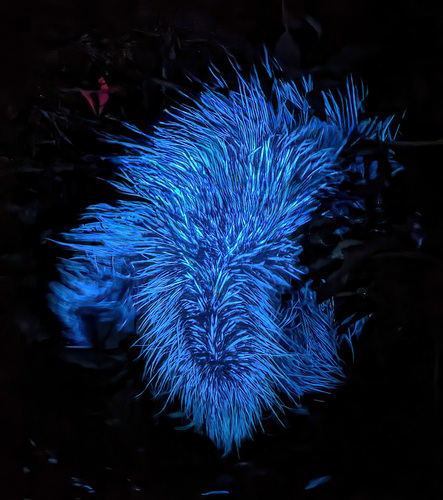
 Quiller
Erethizon dorsatus

 Muskrat
Ondatra zibethicus
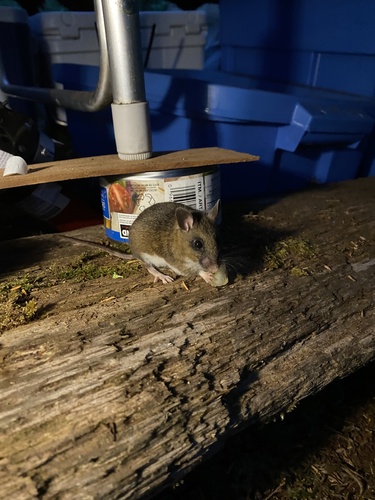
 Northwestern Deermouse
Peromyscus keeni

Deer Mouse
Peromyscus maniculatus
Global Distribution
Warmer areas are where this animal is recorded most often.
Parks Where Found
| # | Park | Country | Daily sighting probability |
|---|---|---|---|
| 1 | Glacier National Park | 🇺🇸 United States | |
| 2 | Banff National Park | 🇨🇦 Canada | |
| 3 | Jasper National Park | 🇨🇦 Canada | |
| 4 | Great Bear Rainforest | 🇨🇦 Canada |