



American Red Squirrel
Tamiasciurus hudsonicus
Silhouette: PhyloPic · PhyloPic
- KingdomAnimalia (Animals)
- PhylumChordata (Chordates)
- ClassMammalia (Mammals)
- OrderRodentia (Rodents)
- FamilySciuridae (Squirrels)
- GenusTamiasciurus (Pine Squirrels)
- SpeciesTamiasciurus hudsonicus (American Red Squirrel)
About the American Red Squirrel
The American red squirrel (Tamiasciurus hudsonicus) is one of three species of tree squirrels currently classified in the genus Tamiasciurus, known as the pine squirrels (the others are the Douglas squirrel, T. douglasii, and the southwestern red squirrel, T. fremonti). The American red squirrel is variously known as the pine squirrel or piney squirrel, North American red squirrel, chickaree, boomer, or simply red squirrel. The squirrel is a small, 200–250 g (7.1–8.8 oz), diurnal mammal that defends a year-round exclusive territory. It feeds primarily on the seeds of conifer cones, and is widely distributed across much of the United States and Canada wherever conifers are common, except in the southwestern United States, where it is replaced by the formerly conspecific southwestern red squirrel, and along the Pacific coast of the United States, where its cousin the Douglas squirrel is found instead.
The squirrel has been expanding its range into hardwood forests. American red squirrels should not be confused with Eurasian red squirrels (Sciurus vulgaris); since the ranges of these species do not overlap, they are both commonly referred to as simply "red squirrel" in the... Wikipedia →
Recent sightings of American Red Squirrel in Great Bear Rainforest
LIVEiNaturalistClosest Relatives at Great Bear Rainforest

 Douglas' Squirrel
Tamiasciurus douglasii

 Hoary Marmot
Marmota caligata

Woodchuck
Marmota monax

 Northern Flying Squirrel
Glaucomys sabrinus

 Yellow-pine Chipmunk
Tamias amoenus

Least Chipmunk
Tamias minimus

 Columbian Ground Squirrel
Urocitellus columbianus

 American Beaver
Castor canadensis
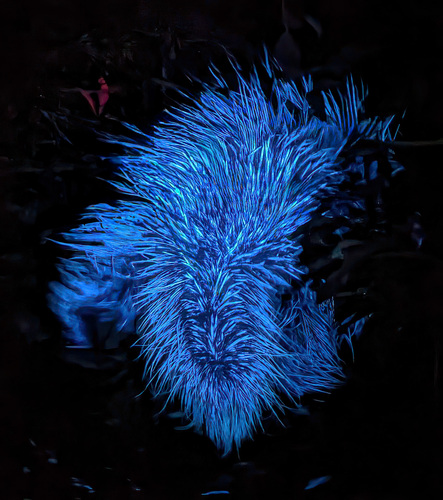
 Quiller
Erethizon dorsatus

 Muskrat
Ondatra zibethicus
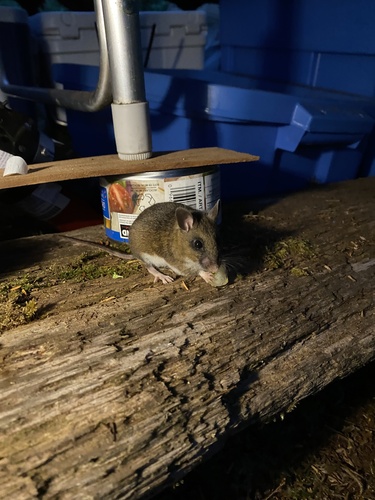
 Northwestern Deermouse
Peromyscus keeni

Deer Mouse
Peromyscus maniculatus
Global Distribution
Warmer areas are where this animal is recorded most often.
Parks Where Found
| # | Park | Country | Daily sighting probability |
|---|---|---|---|
| 1 | Isle Royale National Park | 🇺🇸 United States | |
| 2 | Acadia National Park | 🇺🇸 United States | |
| 3 | Cape Breton Highlands National Park | 🇨🇦 Canada | |
| 4 | Denali National Park | 🇺🇸 United States | |
| 5 | Wrangell-St. Elias National Park | 🇺🇸 United States | |
| 6 | Katmai National Park | 🇺🇸 United States | |
| 7 | Gros Morne National Park | 🇨🇦 Canada | |
| 8 | Wood Buffalo National Park | 🇨🇦 Canada | |
| 9 | Kenai Fjords National Park | 🇺🇸 United States |
Quick answers
What are the chances of seeing a American Red Squirrel in Great Bear Rainforest?
About 40% of wildlife watchers report a American Red Squirrel sighting in Great Bear Rainforest, based on 436 verified sightings from GBIF citizen-science data.
When is the best time to see American Red Squirrel in Great Bear Rainforest?
August has the highest sighting rate for American Red Squirrel in Great Bear Rainforest in our monthly data.