Lake Nakuru National Park
🇰🇪 Kenya
🦩 Kenya's Premier Rhinoceros and Flamingo SanctuaryLake Nakuru National Park sits within the Rift Valley of Kenya, featuring a protected tropical savanna landscape of open grasslands, dense acacia woodlands, and rocky cliffs. This protected wetland basin combines shallow shorelines with dry rolling hills, offering varied terrain for walking tracks and vehicle safaris.
-0.380° S 36.094° E
Wildlife
⭐ Iconic Species
 ★
★  Lesser Flamingo
Phoeniconaias minor
 ★
★  White Rhinoceros
Ceratotherium simum
 ★
★  Northern Giraffe
Giraffa camelopardalis
 ★
★  Lion
Lion
Panthera leo
📊 Most Spotted

 Great White Pelican
Pelecanus onocrotalus

 Olive Baboon
Papio anubis

 Egyptian Goose
Alopochen aegyptiaca

 African Fish-Eagle
Haliaeetus vocifer

 Impala
Aepyceros melampus

 Common Warthog
Phacochoerus africanus

 Grey Heron
Ardea cinerea

 Superb Starling
Lamprotornis superbus

 Vervet Monkey
Chlorocebus pygerythrus

 Marabou Stork
Leptoptilos crumenifer

 Yellow-billed Stork
Mycteria ibis

 Blacksmith Lapwing
Vanellus armatus
⭐ Iconic Species
★ White Rhinoceros
Ceratotherium simum
★ Northern Giraffe
Giraffa camelopardalis
★ Lion
Panthera leo
📊 Most Spotted
Olive Baboon
Papio anubis
Impala
Aepyceros melampus
Common Warthog
Phacochoerus africanus
Vervet Monkey
Chlorocebus pygerythrus

 African Buffalo
Syncerus caffer

 Common Eland
Taurotragus oryx

 Spotted Hyena
Crocuta crocuta

 Plains Zebra
Equus quagga

 Waterbuck
Kobus ellipsiprymnus

Thomson's Gazelle
Eudorcas thomsonii

 Rock Hyrax
Procavia capensis

 Black Rhinoceros
Diceros bicornis
⭐ Iconic Species
📊 Most Spotted
Great White Pelican
Pelecanus onocrotalus
Egyptian Goose
Alopochen aegyptiaca
African Fish-Eagle
Haliaeetus vocifer
Grey Heron
Ardea cinerea
Superb Starling
Lamprotornis superbus
Marabou Stork
Leptoptilos crumenifer
Yellow-billed Stork
Mycteria ibis
Blacksmith Lapwing
Vanellus armatus

 Augur Buzzard
Buteo augur

 Great Cormorant
Phalacrocorax carbo

 Red-cheeked Cordon-bleu
Uraeginthus bengalus

 Northern Anteater-Chat
Myrmecocichla aethiops
📊 Most Spotted

 Leopard Tortoise
Stigmochelys pardalis

 African Striped Skink
Trachylepis striata

 Nile Monitor
Varanus niloticus

 Tropical House Gecko
Hemidactylus mabouia

 Jackson's Forest Lizard
Adolfus jacksoni

 Kenyan Rock Agama
Agama lionotus

 Gregory's Blue-headed Agama
Acanthocercus gregorii
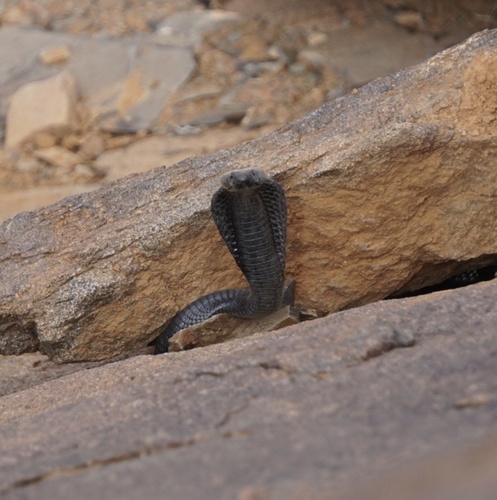
 Black-necked Spitting Cobra
Naja nigricollis

 Kenya Dwarf Gecko
Lygodactylus keniensis

 Nile Crocodile
Crocodylus niloticus

Black Mamba
Dendroaspis polylepis

 Side-striped Chameleon
Trioceros bitaeniatus


Recent sightings in Lake Nakuru National Park
LIVEiNaturalistAnimal Events
1Rhinoceros and Ungulate Dry Season Concentration
As seasonal water sources recede, the White Rhinoceros and other large herbivores like the African Buffalo concentrate densely around remaining permanent wetlands.
2Acacia Woodland Bird Breeding Peak
The arrival of seasonal rains triggers high breeding activity and vibrant plumage displays among woodland residents like the Rüppell's Glossy-starling and the Pied Kingfisher.


3Greater and Lesser Flamingo Seasonality Shift
Fluctuating water levels and shifting algae concentrations cause both Greater Flamingo and Lesser Flamingo populations to peak dynamically across the alkaline shallows.


Sighting Calendar
Average chance of spotting the park's most-spotted species, month by month
- 1Rhinoceros and Ungulate Dry Season Concentration
- 2Acacia Woodland Bird Breeding Peak
- 3Greater and Lesser Flamingo Seasonality Shift
Sighting Zones
Warmer areas are where all species together are recorded most often.
Essentials
Climate
What visitors saw
But we would see impalas, antelopes, waterbucks, and more over the coming days.
Great White Pelican……from a distance they do look like pink flamingos! …love giraffes pretty swishy ponytails Apparently, you’re more likely to spot rhino at Lake Nakuru National Park, but I don’t remember seeing any, I saw them at both Masai Mara and Nairobi National Parks.
Quick answers
What animals can you see in Lake Nakuru National Park?
The most likely sightings are Great White Pelican (seen by about 80% of wildlife watchers), Olive Baboon (seen by about 80% of wildlife watchers), Egyptian Goose (seen by about 80% of wildlife watchers), African Fish-Eagle (seen by about 80% of wildlife watchers), Impala (seen by about 80% of wildlife watchers) — among 1246 recorded vertebrate species, based on citizen-science data from GBIF.
When is the best time to visit Lake Nakuru National Park for wildlife?
April has the highest combined sighting rate for the park's top species in our month-by-month GBIF data. The full sighting calendar on this page shows each species' best months.
Can you see Lesser Flamingo in Lake Nakuru National Park?
Yes — about 70% of wildlife watchers report a Lesser Flamingo sighting in Lake Nakuru National Park, based on 704 verified sightings from GBIF citizen-science data.
Can you see White Rhinoceros in Lake Nakuru National Park?
Yes — about 60% of wildlife watchers report a White Rhinoceros sighting in Lake Nakuru National Park, based on 68 verified sightings from GBIF citizen-science data.
Can you see Northern Giraffe in Lake Nakuru National Park?
Yes — about 60% of wildlife watchers report a Northern Giraffe sighting in Lake Nakuru National Park, based on 85 verified sightings from GBIF citizen-science data.
Can you see Lion in Lake Nakuru National Park?
Yes — about 40% of wildlife watchers report a Lion sighting in Lake Nakuru National Park, based on 32 verified sightings from GBIF citizen-science data.
Where Wildlife Score
How good is this park for seeing wildlife?Biodiversity
Very goodHow rich is the wildlife?
Sighting
ExcellentHow likely to see animals?
Experience
ExcellentHow easy and pleasant is the visit?


